Heritage home borer check
Borer in heritage and special character homes
In a heritage or special character house, the original timber is part of what makes the house matter. When borer is found, the aim is usually to keep as much of that timber as possible, and to know before anything is removed whether the council needs to be involved.
Borer in a heritage or special character house is inspected the same way as in any other, but the findings carry more weight. The inspection separates timber that is holed but sound, which can usually be treated and kept, from timber that has lost strength. Replacing original exterior timber may need resource consent, so check with Auckland Council first. The visit is a standard borer inspection.
A borer inspection booked through this site costs $285 + GST. The fee is credited against the treatment if you go ahead with the recommended work through the same operator.
Is the house scheduled, in a special character area, or neither?
Auckland's Unitary Plan has two separate systems. Scheduled historic heritage places are individually listed in Schedule 14.1, each with its primary features and any exclusions. Special character areas are groups of buildings protected for the collective look of a street or neighbourhood. A house can be in one, both or neither.
Auckland Council points owners to the Unitary Plan schedules and its GeoMaps viewer to check a property, and notes that its schedule is separate from the Heritage New Zealand List. Special character boundaries have been revised in recent plan changes, so check the current maps rather than relying on what applied when you bought. That status shapes everything that follows the inspection.
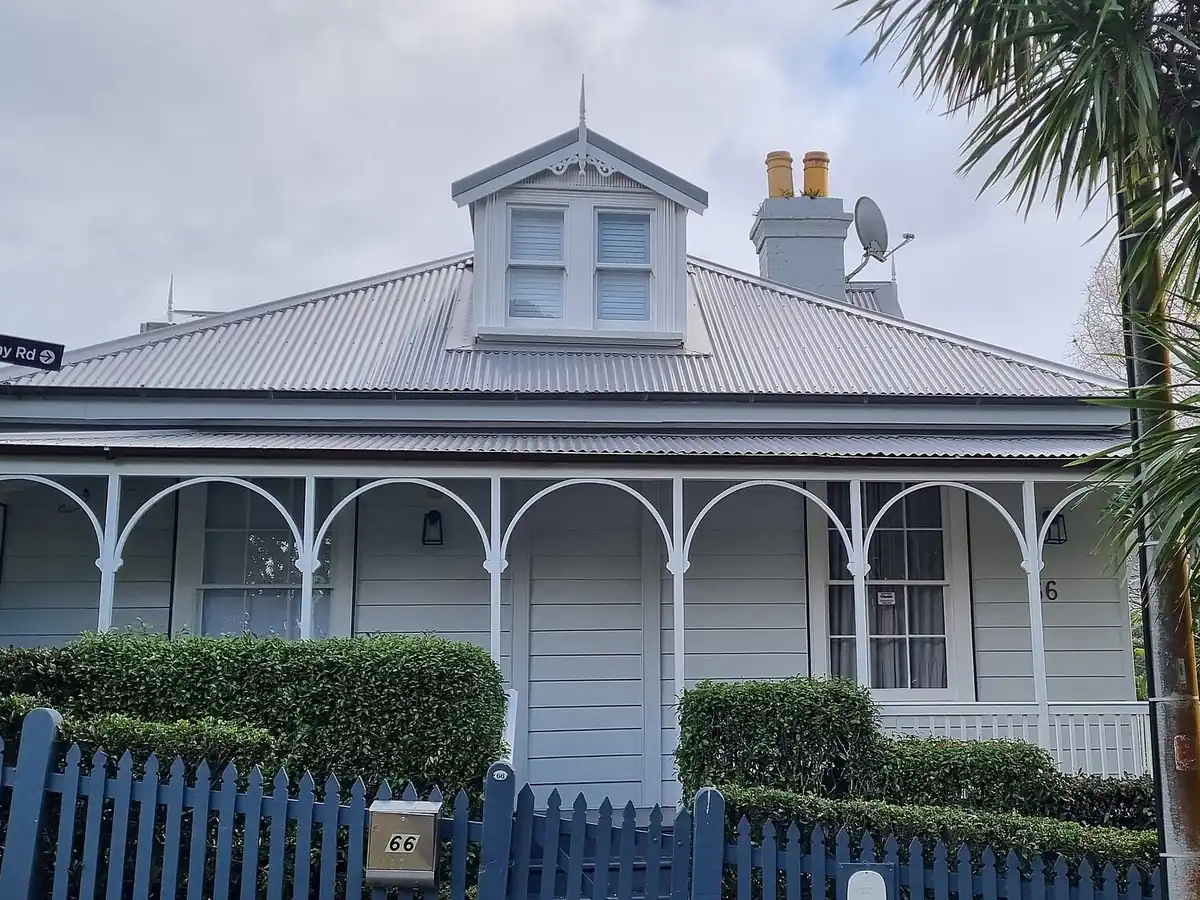

What can it mean for replacing original exterior timber?
The Unitary Plan's regional policy statement encourages retention and maintenance of scheduled places, and in special character areas requires additions and modifications to maintain the area's character while restricting demolition. Replacing original weatherboards, verandah timber or joinery may therefore need resource consent. Ask Auckland Council before work starts.
Whether a particular repair counts as maintenance, or as an alteration that needs consent, depends on the rules for that place or area and on how the work is done. Like-for-like repair of a few boards in the same profile is a very different proposal from re-cladding a wall in a new material. The inspection does not answer the planning question, but it gives the council and your builder an accurate account of which timber is affected, and how badly.
How does the inspection help keep original fabric?
Holes alone are not a reason to replace timber. The common house borer feeds mainly in sapwood, so a weatherboard or bearer can carry many old holes and still be sound. The inspector probes suspect members and records each as holed but sound, active, or weakened, which is the distinction that decides whether timber can stay.
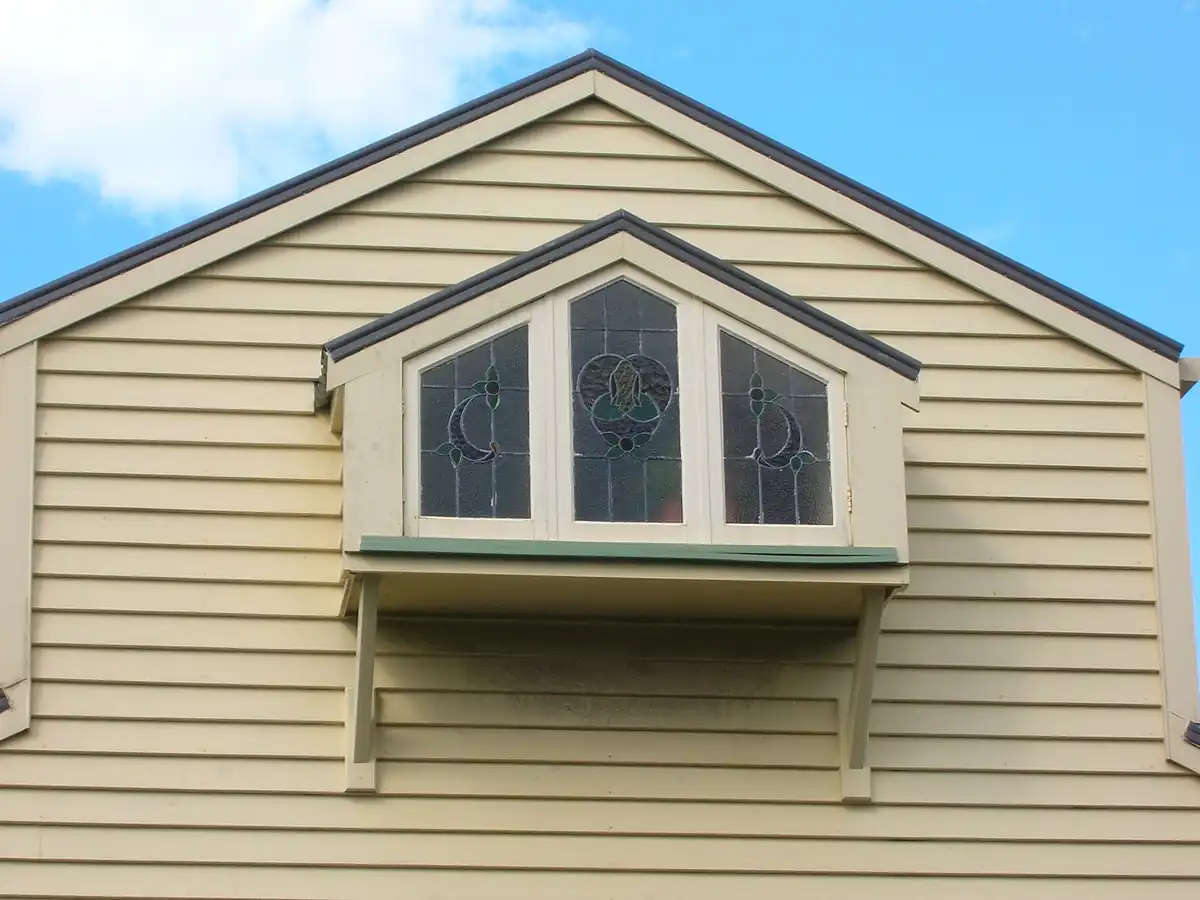

| Finding | Usual approach for original fabric |
|---|---|
| Old holes, timber sound | Keep; no work needed |
| Live borer, timber sound | Treat bare surfaces and keep |
| Painted timber with live borer behind | Treat what can be reached; ask a builder about the back face |
| Timber that dents or crumbles | Builder to assess repair, splicing or replacement |
| Damp timber with large oval holes | Fix the moisture source first; huhu need wet wood |
Treatment of bare timber is explained under treating live borer, and the weatherboards guide covers why painted boards can hide more than they show.
Does the repair also need a building consent?
Building consent is a separate question from resource consent. Under Schedule 1 of the Building Act 2004, repair and maintenance using comparable materials, or replacing a component with a comparable one in the same position, generally needs no building consent. That exemption has limits worth knowing before any heritage repair begins.
- Not covered: complete or substantial replacement of a component that contributes to the building's structural behaviour.
- Not covered: repair or replacement, other than maintenance, of anything that has failed the Building Code's durability requirements.
- Still required: exempt work must comply with the Building Code.
- If unsure: MBIE suggests asking the council for a discretionary exemption, or applying for consent.
Where a repair does need a building consent and affects the primary structure, it is restricted building work that must be done or supervised by a licensed building practitioner. More detail is under borer damage repair.
How do the inspector and the builder work together?
The inspector identifies the beetle, the activity and the affected timber; the builder decides how to repair what has lost strength. On a heritage house it helps if the builder sees the written findings before quoting, so that sound timber is not replaced by default. With your agreement the findings go to a builder who quotes the repair.
Look for a builder who has repaired houses of a similar age and is comfortable splicing or patching rather than replacing whole lengths, and who knows when to send a question to the council. Treatment of the remaining sound timber is best timed after any repairs, so new surfaces and old are covered together, and ahead of the next flight season.
Where are Auckland's heritage and character houses?
Scheduled places and special character areas are spread across Auckland, but the densest concentrations of timber villas and bungalows are in the older inner suburbs. Each house is its own case: two neighbouring houses can have very different borer histories depending on how they were maintained and renovated.
Suburbs with many character houses include Parnell, Ponsonby and Devonport. The typical borer pattern in houses of that era is described under villas and bungalows, and buyers of a character house can book a pre-purchase borer check while their offer is conditional.
How this part fits into a single visit, with the fee and the report it produces, is summarised under a borer inspection for an Auckland property.
Asked before booking
Do I need council approval to treat borer in a heritage house?
Treating bare timber does not usually change how a house looks, but products and preparation can affect finishes. If the house is scheduled and you are unsure whether a treatment or its preparation could affect protected features, ask Auckland Council before work starts.
Can borer-damaged weatherboards on a character house be replaced?
Often, but whether resource consent is needed depends on the overlay or schedule and on the extent and style of the work. Like-for-like replacement of a few boards is a different proposal from re-cladding. Check with Auckland Council and your builder before ordering timber.
Is a Heritage New Zealand listing the same as council scheduling?
No. Auckland Council notes that its heritage schedule is separate from the Heritage New Zealand List. Check the Unitary Plan schedules and GeoMaps to see which council rules apply to a property.
Can the inspector tell me whether timber is original?
The inspection records the timber and its condition, and can often see where newer boards or framing have been added. Confirming what is original, for planning purposes, is a matter for heritage advice and the council.
Related pages
- Villas and bungalowsWhere borer usually shows in Auckland villas and California bungalows, and in renovations that mix old and new timber
- Borer damage repairWhen borer damage needs a builder, which repairs are exempt from consent, re-piling and the order of work
- Borer in weatherboardsBorer in lower boards and sills, what paint does and does not stop, and replace versus treat versus repaint
- Borer inspectionWhat a borer inspection records, part by part, and what it costs
Sources
- Auckland Unitary Plan, B5 Historic heritage and special character
- Auckland Council: check historic heritage controls on a property
- MBIE: general repair, maintenance and replacement (Schedule 1, exemption 1)
- MBIE: restricted building work and who can do it
- NZ Farm Forestry Association: household borer, Anobium punctatum
- Consumer NZ: borer and other pests
Book a borer inspection for a character house
The inspection is $285 + GST, credited against treatment done through the same operator. Treatment ranges sit on the cost page.