Villa and bungalow borer check
Borer in villas and California bungalows
Auckland's older suburbs are full of timber houses built between the 1880s and the 1930s, and most of them carry some borer history. The question for any one house is where, how much, and whether any of it is still working.
Villas and California bungalows were built from untreated native timber, long before boron framing treatment was introduced in the 1950s, so most have some borer history. An inspection of one of these houses concentrates on the verandah, subfloor, lower weatherboards, roof sarking and floors, and on joins between original timber and later renovation work. It is a standard borer inspection with a known pattern.
A borer inspection booked through this site costs $285 + GST. The fee is credited against the treatment if you go ahead with the recommended work through the same operator.
When were Auckland's villas and bungalows built?
Auckland Council's special character studies describe the villa era in the inner suburbs as roughly the 1880s to the 1910s, with bungalows following in the 1920s and 1930s. Te Ara, the Encyclopedia of New Zealand, records that after the First World War the Californian bungalow superseded the villa as the common suburban house.
The boundary is blurred. Transitional villas mix the two styles, and Heritage New Zealand's listing of an early bungalow cites the historian Jeremy Ashford naming Goldsbro's ‘Rothesay’, built on Mt Eden Road in 1897, among the first bungalows in the country; streets around it in Mt Eden still hold many houses of both styles. For borer, the exact year matters less than the fact that both styles predate boron framing treatment, which Standards New Zealand dates to 1952.

How do villas and bungalows differ for borer?
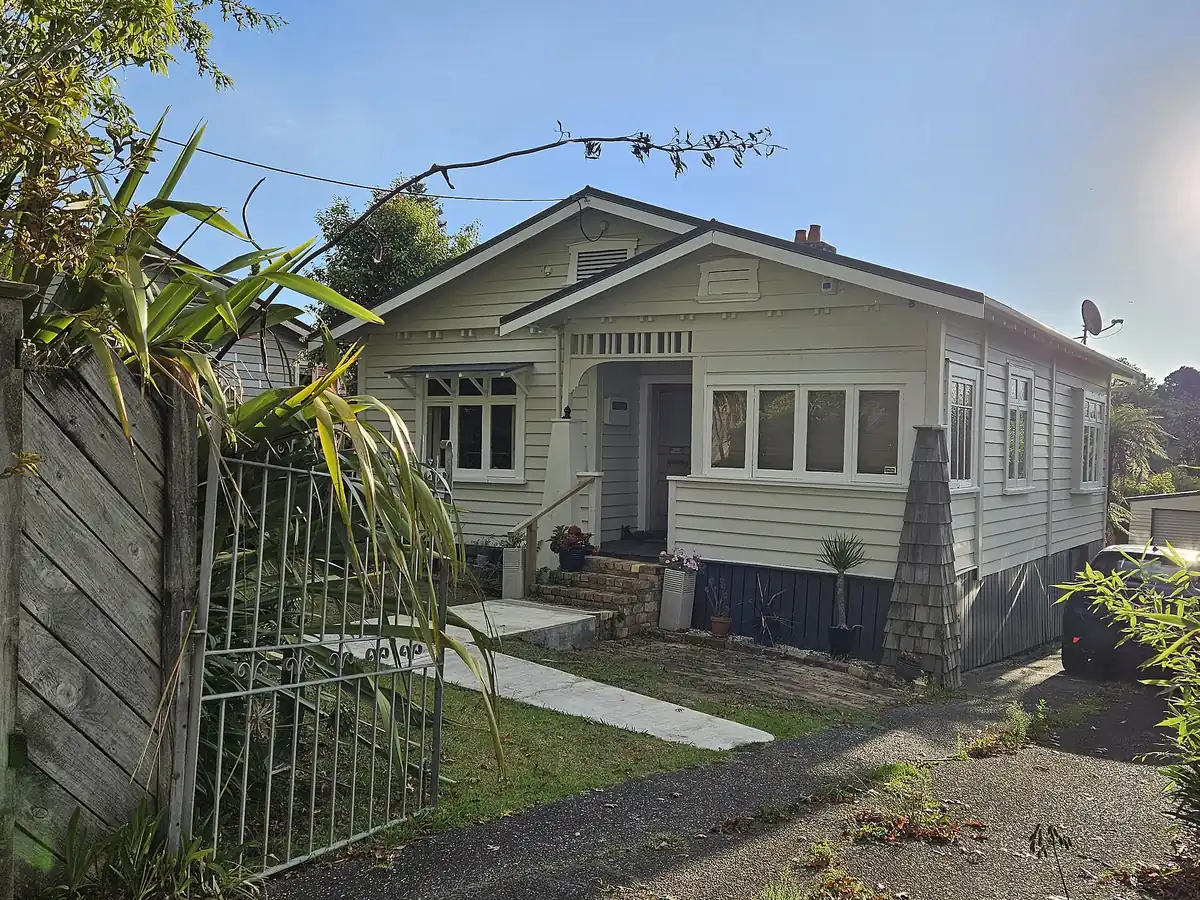
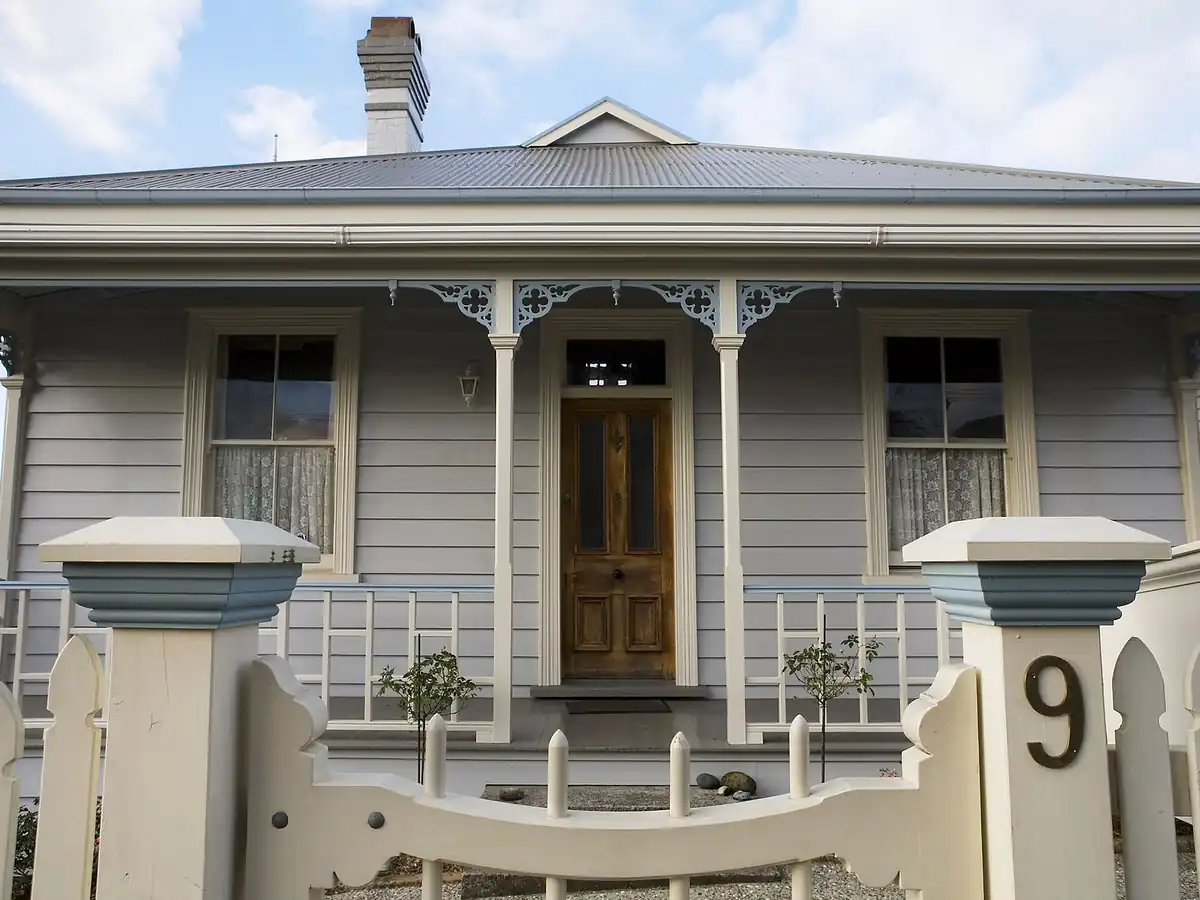
The two styles put their timber in different places, which changes where an inspector looks hardest. Te Ara describes the bungalow as having a low-pitched roof, at least one porch or verandah and a lower stud than the villa. Villas usually have taller, steeper roof spaces with more room to move, and long front verandahs.
| Part of the house | Villa | California bungalow |
|---|---|---|
| Roof space | Steep and roomy; sarking and rafters easy to see | Low pitch; eaves hard to reach, more recorded as partial |
| Verandah | Long front verandah, boards exposed to weather | Porch or verandah, often with timber posts |
| Subfloor | Usually high enough to crawl in | Varies; some low and tight |
| Weatherboards | Lower boards and backs of boards | Lower boards, shingles in gable ends on some houses |
| Floors | Native boards, often under later coverings | Native boards; hardwood added in later renovations |
Heritage New Zealand's description of one early bungalow lists tōtara weatherboards, rimu linings and mataī floors. Mixed native timbers like that are why the inspection records the timber in each area as well as the beetle.
Where does borer show on the verandah and subfloor?
Verandahs are the most exposed timber on an old house: boards, joists and post bases take rain, and timber that stays damp invites both decay and borer. The inspector checks the boards from above, the joists and bearers from below where possible, and the base of each post, probing for softness as well as looking for holes.
Damp verandah timber can also attract huhu, whose larvae need wet wood, so large oval holes there are first a moisture finding. Under the house, original bearers and joists often carry old holes with no sign of activity, while timber near leaking downpipes or blocked vents is where live borer tends to be. What is checked under the floor is set out in the piles and subfloor guide.

What about weatherboards, sarking and floors?
Weatherboards on these houses are often original, and borer may attack them from the inside face, so paint can hide damage that is worse than it looks from outside, as Consumer NZ points out. Lower boards, boards under windows and the shaded side of the house get the closest look, with the backs of boards checked where they can be reached from the subfloor.
In the roof space, sarking boards over the rafters are thin, untreated and often well holed. Floors in both styles are usually native boards, sometimes hidden under carpet or vinyl for decades. Each part has its own guide: weatherboards and the roof space.
What happens where renovation mixes old and new timber?
Most Auckland villas and bungalows have been renovated at least once, and every renovation adds timber of a different age. An extension, a new kitchen floor or a re-clad wall can bring in framing that behaves very differently from the original, and the joins between old and new are where the inspector looks for borer moving.
- Late-1990s to early-2000s work. Untreated kiln-dried framing was allowed from September 1995 and stopped being acceptable for new consents from 1 April 2004, so an extension from that window may not be boron treated.
- Recycled native timber. Salvaged boards and beams are attractive in a renovation but can bring their own borer history.
- Hardwood floors laid over original boards. Some imported hardwoods can carry powderpost beetle, which the common house borer does not explain.
- Boron-treated new framing. H1.2 framing is treated to resist borer, though boron can leach out of timber that stays wet.
The building consent date for the work, from the council property file, is a useful thing to bring to the inspection. It helps date the framing even where none of it can be seen.
Is borer in a villa or bungalow a reason not to buy?
Rarely on its own. Most houses of this age have some old holes, and the questions that change the decision are whether borer is still active, whether any structural timber has lost strength, and how much of the house is involved. Live borer in accessible framing is usually a treatment, not a rebuild.
If you are buying, book the borer check while your offer is still conditional; the pre-purchase borer inspection page covers timing alongside a building report. Owners of houses in heritage schedules or special character areas have extra considerations when timber needs replacing, which are covered under heritage homes. Villas and bungalows are common in suburbs such as Grey Lynn.
How this part fits into a single visit, with the fee and the report it produces, is summarised under the Lignum borer inspection across Auckland.
Asked before booking
Do all villas have borer?
Not all, but most have some history of it, because they were built from untreated timber before boron framing treatment existed. Many have old, inactive holes only. The inspection is about whether any of it is live and whether any timber has been weakened.
Is kauri or rimu more prone to borer?
The common house borer feeds in the sapwood of its host timbers, and rimu and kahikatea sapwood are well known hosts. Heartwood is far less affected by this beetle. The inspection records the timber in each area because the answer depends on the piece, not just the species.
Should I treat a villa for borer as a precaution?
Treating timber with no live borer spends money on a problem that may have ended long ago. An inspection first tells you whether there is anything to treat and where, so any treatment is limited to the timber that needs it.
Does a bungalow's low roof make inspection harder?
Often, yes. A low-pitched roof leaves little space near the eaves, so parts of the roof space may only be seen from a distance. Those areas are recorded as a partial view rather than passed as clear.
Related pages
- Borer inspectionWhat a borer inspection records, part by part, and what it costs
- Pre-purchase borer inspectionA borer check timed to your building condition, read alongside the building report
- Heritage and character homesBorer in scheduled heritage and special character houses: keeping original timber, consents and working with a builder
Sources
Book a villa or bungalow borer inspection
The inspection is $285 + GST, credited against treatment done through the same operator. Treatment ranges sit on the cost page.