The borer library
Written for people deciding something about a particular house: whether to buy it, what a report means, whether the holes in the floor matter. Each guide is built from published New Zealand sources, chiefly the NZ Farm Forestry Association's timber insect leaflets, Consumer NZ, BRANZ, Standards New Zealand and the Ministry for Primary Industries, and each ends with what an inspection would add.
The guides are grouped by the question in front of you. If you are buying, start with whether borer should change an offer and what a building report can tell you. If you have found holes or dust, start with identification. If the age of the house is the worry, the shelf on timber, damp and build year explains why a 1905 villa and a 2001 townhouse carry different risks.

Buying or selling a house
- Is borer a deal breaker?When borer should change an offer on a house, and when it should not
- Borer in a building reportWhat the common borer phrases in a pre-purchase report can and cannot tell you
- Pre-purchase building inspectionWhat an NZS 4306 pre-purchase building inspection covers, what it leaves out, and where borer fits
- Pre-purchase inspection costPublished Auckland building-inspection prices, what moves them, and a due-diligence budget with a borer check
- Open-home borer checklistWhere to look for borer at an open home, what to note, and what to leave for an inspection
- Reading a borer reportEach line of borer inspection findings explained, and what it means for a buying or repair decision
- Filling borer holesWhy filler and paint do not stop borer, what fresh filling means to a buyer, and when filling is fine
- Old borer damageWhen historic borer holes in an old house matter, how strength is judged, and what to record
Which beetle is it?
- Beetle identificationThe wood-boring beetles of New Zealand houses side by side: size, colour, hole, dust, timber and season
- House borer by build yearWhich New Zealand houses carry house borer, era by era, and why the framing timber decides it
- Two-toothed longhornThe native longhorn that tunnels through heartwood: oval holes, autumn emergence, damp subfloors
- Powderpost beetleThe hardwood-only beetle behind talc-fine dust in tawa, rewarewa and oak floors and furniture
- Huhu in the houseWhy huhu in house timber points to wet wood, and where the moisture usually comes from
- Termite or borer?How to tell termite signs from borer in New Zealand, and why suspected exotic termites go to MPI
- Woodworm in New ZealandWoodworm is the British name for house borer: why UK advice, seasons and timbers do not transfer to NZ houses
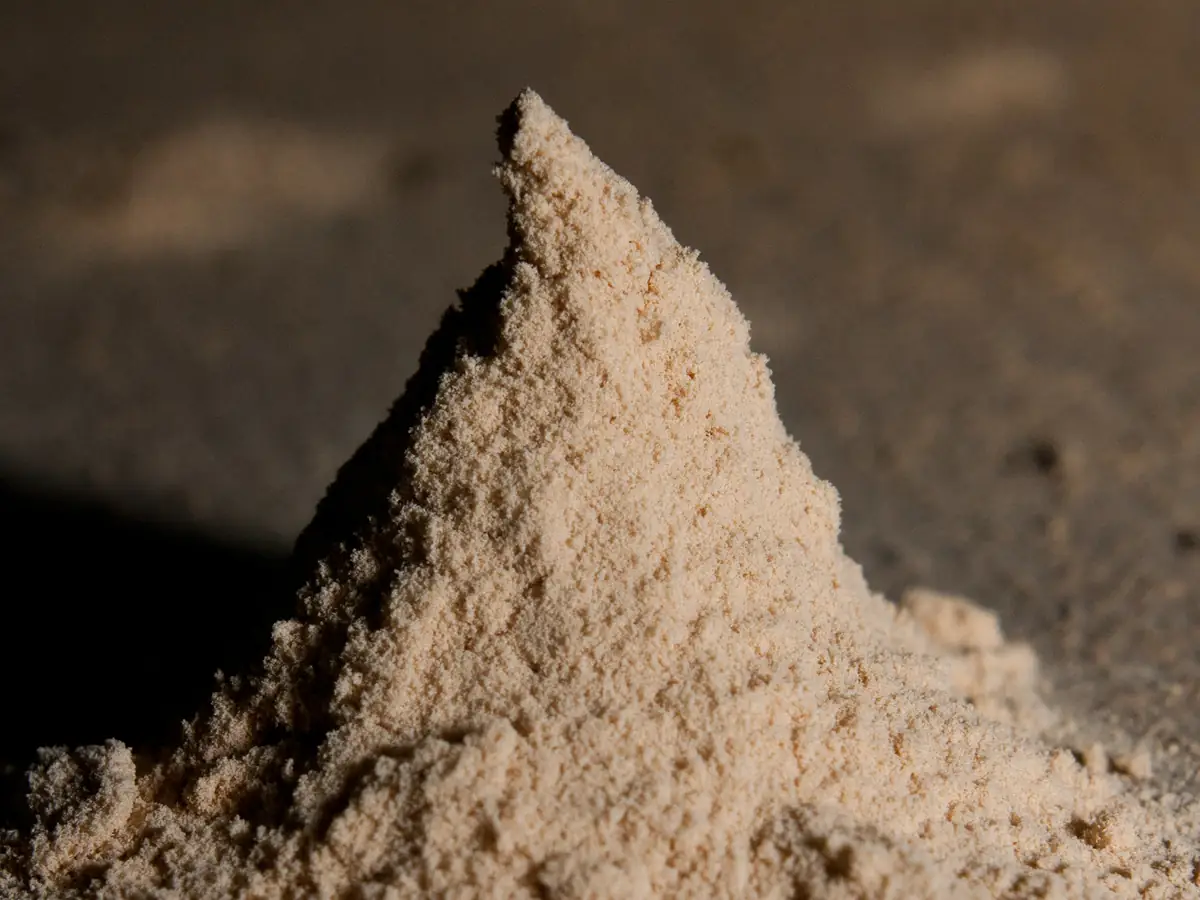
- Borer dust and frassWhat wood borer dust looks like by species, fresh against old, and how termite droppings differ
- Do borer beetles bite?Whether borer beetles bite or harm people, the huhu nip, and why the real risks are to timber and from products
Timber, damp and build year
- Timbers borer attacksWhich New Zealand building timbers each borer attacks, sapwood against heartwood, and where treated framing fits
- Untreated framing yearsHouses from the untreated kiln-dried framing window of about 1995 to 2005, and what that means for borer
- Borer in newer housesWhether borer can get into a modern house: H1.2 framing, boron leaching, the untreated window, and what gets brought in
- Borer and moistureHow humidity, damp subfloors and timber moisture drive borer, and what moisture readings in findings mean
- Borer larvae and eggsThe hidden stage of borer: where eggs go, how long larvae feed, and why holes lag years behind the damage
- How borer spreadsHow borer moves between timbers: flying adults, furniture, recycled timber, and what a neighbour's borer means
- Flight seasonThe months each borer flies in New Zealand, and what that means for treatment and for buyers
- Borer bombs and spraysWhat foggers, surface sprays, injectors and borate products each reach, and when DIY is enough