Buying a house
What a pre-purchase building inspection covers, and where borer fits
A pre-purchase building inspection is a visual survey of a whole house, written up as a report you read before your offer goes unconditional. This site does not carry out building inspections. It arranges the narrower pre-purchase borer inspection, so this guide explains the building report from the outside: what it is built to find, and the gaps a timber check can fill.
First published · updated
A pre-purchase building inspection is a visual inspection of a house, usually to the New Zealand standard NZS 4306:2005, carried out by a building inspector you engage during your due-diligence period. It looks for signs of problems such as borer, rot, damp, structural damage, drainage faults and poor wiring or pipes, and it records them with photos. It cannot see behind finished surfaces.
What is a pre-purchase building inspection in New Zealand?
It is a paid, visual check of a house you are thinking of buying, done by a building inspector and written up as a report. Most follow NZS 4306:2005 Residential property inspection, published by Standards New Zealand in February 2005, which sets the minimum a visual inspection and its report should contain. It is commissioned by the buyer, for the buyer, and usually booked inside a building or due-diligence condition.
The word that matters is visual. The inspector walks the site, the exterior, each room, the roof space and the subfloor where they can be reached, and reports what can be seen on the day. Nothing is opened up. That makes the report fast and affordable, and it also sets the limit on what any reader should expect from it.
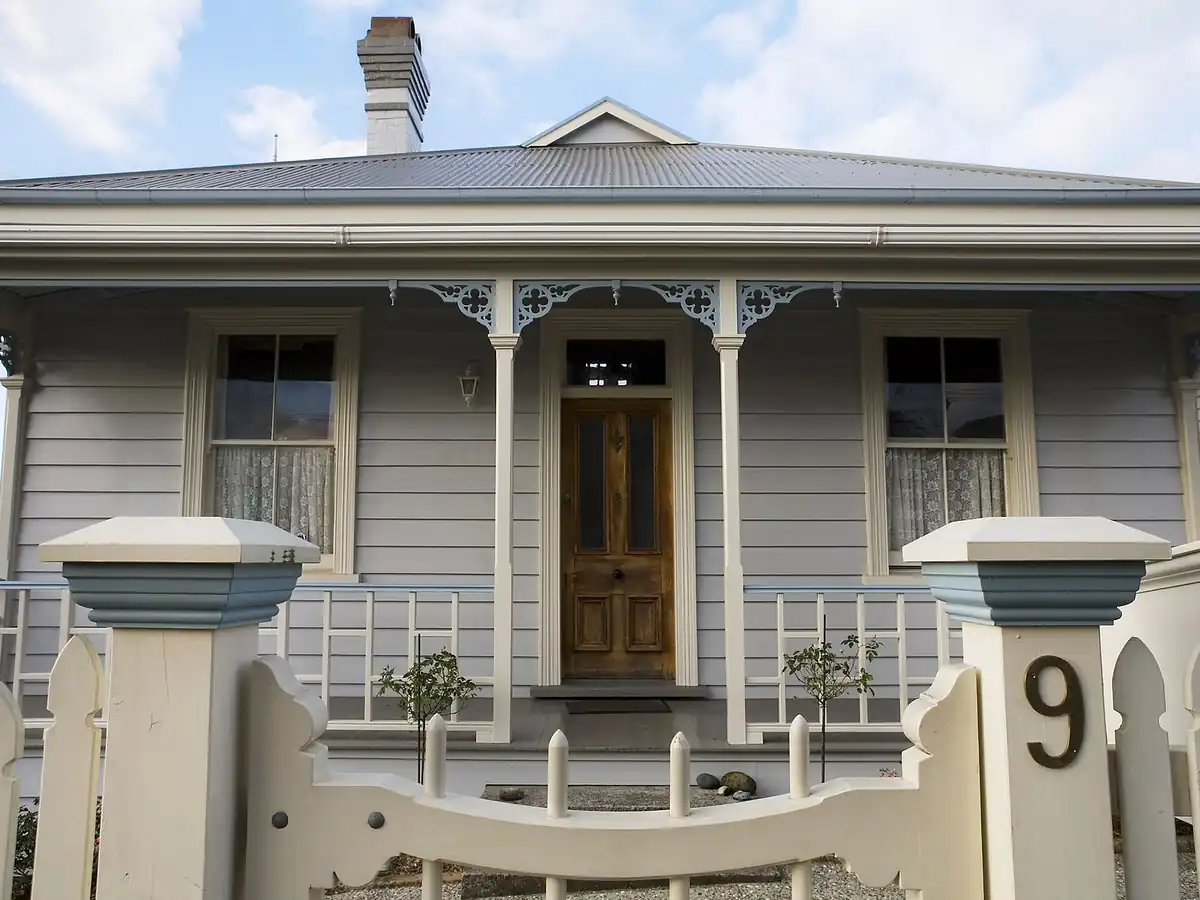

What does a pre-purchase building inspection cover?
Consumer Protection, the government's consumer site run by MBIE, lists the signs an inspector looks for: borer, rot, damp, structural damage, drainage problems, faulty wiring and faulty pipes. The report notes current faults and slow deterioration, photographs problem areas, and can show where the original house has been altered, such as an added room or a new deck.
| Part of the house | What the inspector usually does | Typical limit |
|---|---|---|
| Site and exterior | Walks the boundary, looks at cladding, joinery, paths and ground levels | Cladding is judged from its face |
| Roof and roof space | Looks at the roofing and, where there is a hatch, the framing and underlay | Only the parts reachable from the hatch |
| Interior | Room by room: linings, floors, doors, windows, wet areas | Furniture and floor coverings stay in place |
| Subfloor | Piles, bearers, joists and ground conditions, where there is access | Low or blocked crawl spaces may be viewed from the hatch only |
| Services | Visible plumbing, drainage and wiring | Pipes and cables inside walls are not seen |
Expect each item to be graded or described in a sentence or two, with photos and a summary at the front. The summary is what most buyers read first; the list of areas not reached is what they should read second.
What does a building report leave out?
It leaves out anything hidden behind finished surfaces: framing, insulation, wiring and pipes inside walls, and timber under fixed floor coverings. It does not tell you whether alterations had building consent; Consumer Protection points buyers to council records or a LIM for that. And it may not settle whether a defect is real, so it can end in a recommendation for further investigation.
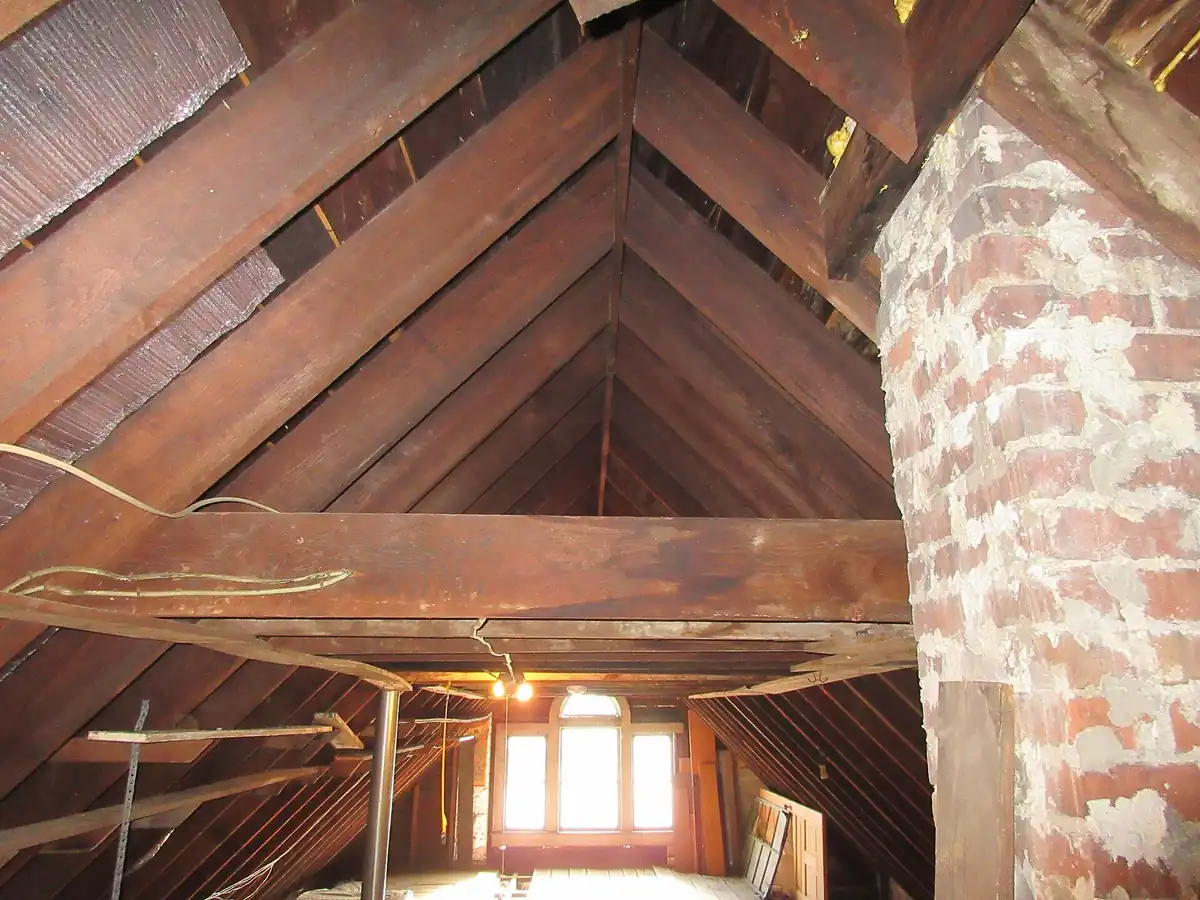

- Consents. A report can show that a room was added. Whether it was consented is in the council property file or the LIM.
- Specialist questions. For suspected earthquake damage, natural hazards, weathertightness concerns or boundaries, Consumer Protection suggests a registered building surveyor or engineer.
- Repair costs. A report describes problems; a builder or tradesperson prices them.
- Timber pests in depth. Borer is noted where seen, but the report is not a specialist timber-pest assessment.
Where does borer sit in a pre-purchase building report?
Borer is one heading among many, usually a note under the roof space, the subfloor, the floors or the cladding, often with a photo of exit holes. A standard NZS 4306 report is visual and notes signs of borer; it is not built to name the beetle, judge whether it is still emerging, or trace it member by member through the structure, and published sources do not show the standard requiring that.
That is not a criticism of the inspector. A building report has to cover cladding, roofing, plumbing and moisture in the same visit, and borer competes for the time. If you want to know how borer lines are usually phrased and what each phrase leaves open, the guide to borer in a building report goes through the common wording.
New Zealand also has no dedicated timber-pest inspection standard that published sources show, unlike Australia, where AS 4349.3 covers timber pest inspections. A closer borer check here is simply a separate service.
When is a separate borer check worth adding?
Add one when the house or the report gives you a reason. The clearest triggers are a building era with untreated framing, a report that mentions borer or recommends a specialist, a subfloor or roof space the building inspector could not fully enter, oval holes in structural timber, and a damp subfloor. Without any of these, a newer house with a clean report rarely needs one.
| Trigger | Why it matters |
|---|---|
| House framed before 1952 | Built before boron treatment of framing was introduced, so the structure is untreated timber |
| Built or extended about 1995 to 2005 | Untreated kiln-dried framing was allowed for part of this window |
| Report says borer, or recommends a specialist | The report has flagged a question it was not designed to answer |
| Subfloor or roof space only viewed from the hatch | Most exposed framing in an older house is in those two spaces |
| Oval holes in piles, bearers or joists | May be the native two-toothed longhorn, which tunnels heartwood |
| Damp subfloor, blocked vents | Moisture keeps borer going and invites decay |
The build-era detail for the late 1990s and early 2000s is in the untreated framing years.
How should a buyer choose a building inspector?
Consumer Protection's checklist is short: confirm the inspector can carry out an NZS 4306 inspection and keeps their skills current, ask to see proof of professional indemnity insurance and read what the contract covers, and consider someone who belongs to the Building Officials Institute of New Zealand or the New Zealand Institute of Building Inspectors. It also warns against leaning on a friend who used to build.
Two more points from the same guidance are worth repeating. A report commissioned by the vendor was written for the vendor, so read it as background rather than as your own. And a thorough inspection takes time, so be wary of a booking that leaves too little of it. Being there in person usually costs a little more and is often worth it, because you can ask questions while the inspector is standing next to the problem.
How do the building report and a borer inspection fit into one condition period?
Book the building inspection first, as soon as the offer is accepted, and read its borer notes and its list of areas not reached the day it arrives. If either raises a timber question, book the borer inspection straight away so the written findings land with time to spare for a builder's view and a conversation with your lawyer before the condition date.
-
Day 1 to 2
Offer accepted. Book the building inspection and note the condition date.
-
Report in hand
Read the summary, the borer lines and the areas not inspected.
-
Borer check if needed
Roof space, subfloor, cladding and floors, recorded member by member.
-
Builder if flagged
Any member that is soft under a probe goes to a builder for a repair view.
-
Decide
With your lawyer: proceed, renegotiate, ask for time, or withdraw.
How to read borer findings once they arrive is covered in reading a borer report, and the costs of both reports are compared in what a pre-purchase inspection costs.
Can you check anything yourself before paying for reports?
You can look, and it helps you decide which reports to pay for. At an open home you can check floor edges in cupboards, window sills, the underside of stairs and the lower weatherboards for holes and dust, and ask the agent about roof and subfloor access, past treatment and replaced timber. None of this is an inspection, but it tells you early whether timber is likely to be a question.
A practical list of what to look at, and what to leave alone in someone else's house, is in the open-home borer checklist.
When the reading turns into a decision about one real house, the fee, the report and the booking steps are set out under Auckland borer inspection.
Asked about this
What is a pre-purchase building inspection?
A visual inspection of a house you plan to buy, usually to NZS 4306:2005, done by a building inspector you engage. It reports signs of problems such as borer, rot, damp, structural damage, drainage, wiring and pipes, with photos. It does not open walls or lift floor coverings, and it does not confirm consents.
What does a pre-purchase building inspection cover?
The site, exterior cladding and joinery, the roof, the roof space and subfloor where they can be reached, each room, and visible plumbing, drainage and wiring. The report notes current faults and gradual deterioration and lists areas it could not inspect. Hidden framing and the consent status of alterations are outside it.
Does a building inspection check for borer?
Yes, as one item. Borer is among the signs Consumer Protection says an inspector looks for, and it usually appears as a short note with a photo. The report does not normally name the beetle, judge activity or list every affected member, which is the job of a separate borer inspection.
Is a borer inspection the same as a building inspection?
No. A borer inspection looks only at timber: the beetle, whether it is active, which members carry it, moisture and strength. It is not a building inspection and does not produce a building report. Buyers of older houses often commission both and read them side by side.
Before your condition date
- Pre-purchase borer inspectionA borer check timed to your building condition, read alongside the building report
- Borer in a building reportWhat the common borer phrases in a pre-purchase report can and cannot tell you
- Pre-purchase inspection costPublished Auckland building-inspection prices, what moves them, and a due-diligence budget with a borer check
- Open-home borer checklistWhere to look for borer at an open home, what to note, and what to leave for an inspection
Sources
- Consumer Protection (MBIE): building reports and red flags
- Standards New Zealand: NZS 4306:2005 Residential property inspection
- BRANZ Bulletin 559: pre-purchase inspections
- Standards New Zealand: key historical dates for timber treatment regimes
- NZ Farm Forestry Association: two-toothed longhorn, Ambeodontus tristis
Book a borer inspection
The inspection is $285 + GST, credited against treatment done through the same operator. Treatment ranges sit on the cost page.