Build era
Houses from the untreated framing years, about 1995 to 2005
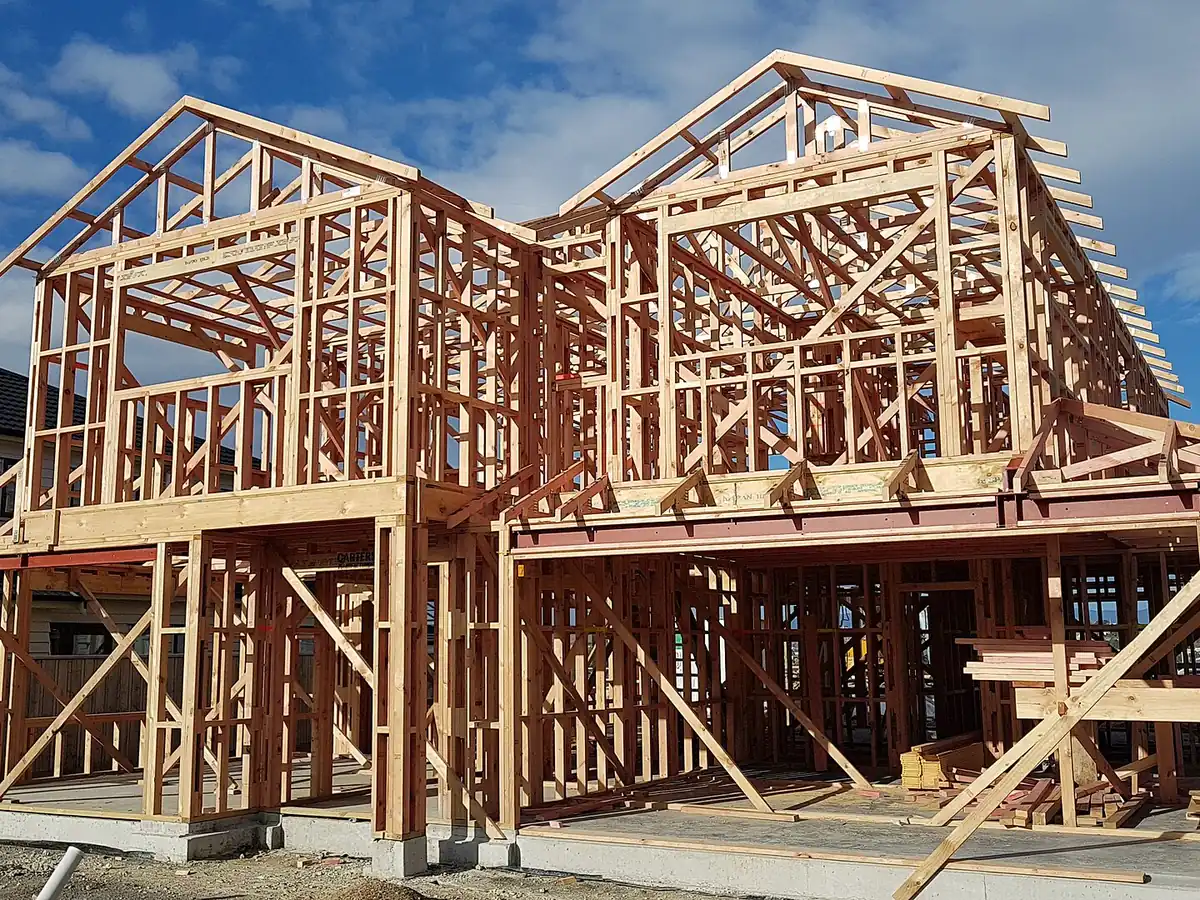
For roughly a decade, New Zealand allowed houses to be framed in kiln-dried radiata pine with no preservative. The rule change is best known for its part in the leaky-homes problem, but untreated pine sapwood is also food for the common house borer. If you are buying a house from those years, a pre-purchase borer check is one of several questions to ask about its framing.
First published · updated
Untreated kiln-dried framing was allowed from September 1995 under NZS 3602:1995 and cited in the Building Code's Acceptable Solution from February 1998. Treated framing was required again for building consents issued from 1 April 2004, and some houses consented before then were finished untreated up to 1 April 2005. Houses consented in that window may have untreated framing.
When was untreated framing allowed in New Zealand?
Standards New Zealand's timeline gives the dates. NZS 3602:1995, from 11 September 1995, allowed untreated framing if it was kiln-dried and its moisture content in service would not exceed 18%. The Building Code's Acceptable Solution B2/AS1 cited that change from 28 February 1998. A Building Industry Authority directive then required treated framing for consents issued from 1 April 2004.

| Date | What changed |
|---|---|
| 1952 | Wet boric treatments for framing first introduced |
| 11 September 1995 | NZS 3602:1995 allows untreated kiln-dried framing, in-service moisture not over 18% |
| 28 February 1998 | Change cited in Acceptable Solution B2/AS1 |
| 9 March 2003 | BIA Directive 23 issued |
| 1 April 2004 | Treated framing required for all new building consents |
| 1 April 2005 | Consents already issued for untreated framing valid only if the building was finished by this date |
| April 2011 | B2/AS1 Amendment 7 makes boron-only H1.2 the standard framing treatment |
The window is therefore fuzzy at both ends, roughly 1995 or 1998 to 2004 or 2005. Not every house from those years was framed untreated; some builders kept using treated timber throughout.
Why does untreated framing matter for borer?
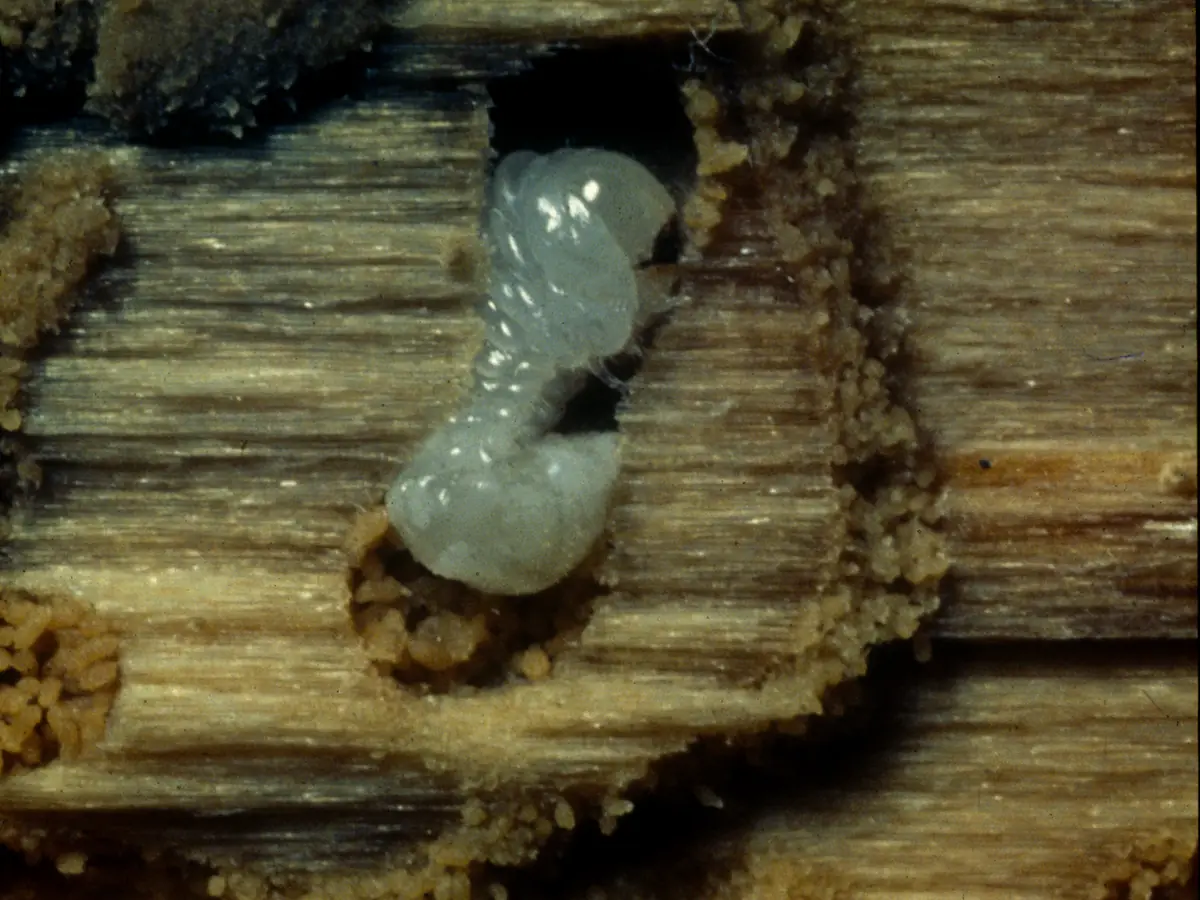
Because radiata pine sapwood is a host for the common house borer, and kiln-drying alone does not protect it. The NZ Farm Forestry Association lists radiata pine among the timbers the beetle attacks, with larvae spending about four years in its sapwood. Boron-treated H1.2 framing is treated to resist borer; untreated framing has no such protection.
Kept dry inside a sound building, untreated framing may never be troubled. The 18% moisture condition in the 1995 standard assumed exactly that. The risk rises where the framing gets wet or the air around it stays humid, since common house borer develops fastest above about 70% relative humidity, and damp untreated framing is also open to decay.
How did untreated framing connect to leaky homes?
The Bioeconomy Science Institute, formerly Scion, says the mid-1990s change allowing untreated framing made leaky-home damage worse. Where water got behind cladding, treated framing had some protection against decay and untreated framing had none. That is why many buyers of houses from this era commission weathertightness checks as well as a standard building report.
Borer and decay are separate problems with a shared cause. A weathertightness specialist looks for water getting in; a borer inspection looks at the timber that can be seen. For a house with monolithic cladding from these years, Consumer Protection suggests a more specialised inspection by a registered building surveyor, and the building inspection guide explains how the reports differ.

How can you tell if a house has untreated framing?
Start with dates: the consent date and the completion date in the council property file or LIM tell you whether the house falls in the window. Then look where framing is exposed. NZS 3640 sets how treated timber is marked, and BRANZ notes that H1.2 boron framing is colour-coded pink. Untreated kiln-dried pine has no treatment marks and no pink tint.
- Council records: consent issue date, code compliance date, and any later alterations.
- Roof space: trusses and framing can often be seen from the hatch.
- Garage or unlined areas: sometimes the easiest place to see wall framing.
- Subfloor: on suspended floors, joists and bearers may show stamps or colour.
- Builder's paperwork: occasionally kept by an original owner.
Colour fades and stamps get covered, so a missing mark is a clue, not proof.
Should buyers avoid houses from this era?
No. Many houses from the late 1990s and early 2000s were framed with treated timber, and many with untreated framing have stayed dry and sound. What the era does is raise the bar for due diligence: check the framing where it can be seen, understand the cladding and its weathertightness history, and read moisture findings carefully. The answers decide the house, not the decade.
For comparison, the earlier untreated era is the opposite case: villas and bungalows built before 1952 were framed in untreated native timber, and old borer is close to universal. The house borer by build year guide covers every era side by side.
Is there a year boron treatment became compulsory?
Not one that the primary sources show. Boron treatments were introduced in 1952 and the Timber Preservation Authority was set up in 1958, but no opened source states a year from which boron treatment of framing became compulsory. Claims of a single "compulsory boron" year are best treated with caution. The dates that can be stated precisely are the 1995, 1998, 2004 and 2005 ones.
For a buyer, the practical question is about the house in front of you, not the regulation history: what the council records say about its consent, and what the exposed framing shows. The borer inspection page sets out what is checked on the visit.
When the reading turns into a decision about one real house, the fee, the report and the booking steps are set out under borer inspection in Auckland.
Asked about this
Which years used untreated framing in NZ?
Untreated kiln-dried framing was allowed from September 1995 (NZS 3602:1995), cited in B2/AS1 from February 1998, and stopped being acceptable for consents issued from 1 April 2004. Some houses consented earlier were finished untreated up to 1 April 2005. Not every house from those years used it.
Can borer get into untreated kiln-dried pine?
Yes. Radiata pine sapwood is a host for the common house borer, and kiln-drying does not add any preservative. Kept dry inside a sound building the risk is lower; humid or damp conditions raise it.
How do I find out when my house was consented?
The council property file or a LIM from Auckland Council lists building consents and code compliance dates. Those dates tell you whether the house sits inside the untreated framing window.
Does pink framing mean the timber is treated?
H1.2 boron framing is colour-coded pink, so a pink tint is a good sign. Colour can fade and marks can be covered, so a missing tint is a reason to look closer, not proof that the framing is untreated.
More on build era
- House borer by build yearWhich New Zealand houses carry house borer, era by era, and why the framing timber decides it
- Pre-purchase borer inspectionA borer check timed to your building condition, read alongside the building report
- Borer and moistureHow humidity, damp subfloors and timber moisture drive borer, and what moisture readings in findings mean
- Pre-purchase building inspectionWhat an NZS 4306 pre-purchase building inspection covers, what it leaves out, and where borer fits
Sources
- Standards New Zealand: key historical dates for timber treatment regimes
- BRANZ: H1.2 framing timber treatment
- BRANZ: timber treatment
- Bioeconomy Science Institute: how science has changed timber building in New Zealand
- NZ Farm Forestry Association: household borer, Anobium punctatum
- Consumer Protection (MBIE): building reports and red flags
Book a borer inspection
The inspection is $285 + GST, credited against treatment done through the same operator. Treatment ranges sit on the cost page.