Roof space borer check
Borer in the roof space and ceiling
Fine dust on a bedroom ceiling, a beetle on the window sill in December, or a building report that says “borer noted in roof framing”: the roof space is often where the question starts, and it is one of the two places where an answer is easiest to find.
Borer in the roof space usually means the common house borer working in the sapwood of untreated rafters, purlins, sarking or ceiling joists. A roof space check looks at that timber from the hatch and from safe footing, judges whether holes are fresh, reads any dust on the ceiling below and records which areas could not be seen. It is part of every borer inspection.
A borer inspection booked through this site costs $285 + GST. The fee is credited against the treatment if you go ahead with the recommended work through the same operator.
Why does borer turn up in the roof space?
Roof framing in older Auckland houses is bare, untreated timber that nobody has painted, sealed or looked at for decades. The common house borer lays its eggs in cracks and old exit holes in exactly that kind of wood, and its larvae feed in the sapwood of rimu, kahikatea and radiata pine for around three to four years before the adults chew their way out.
Because the timber is never disturbed, an infestation in a roof space can run through several generations before anyone notices. Roof spaces also tend to hold the original timber of the house, while floors and walls have often been relined, sanded or replaced. The NZ Farm Forestry Association notes that the beetle develops fastest where relative humidity sits above about 70 percent, so a damp or poorly ventilated roof space helps it along.

What does the inspector check from the hatch and the boards?
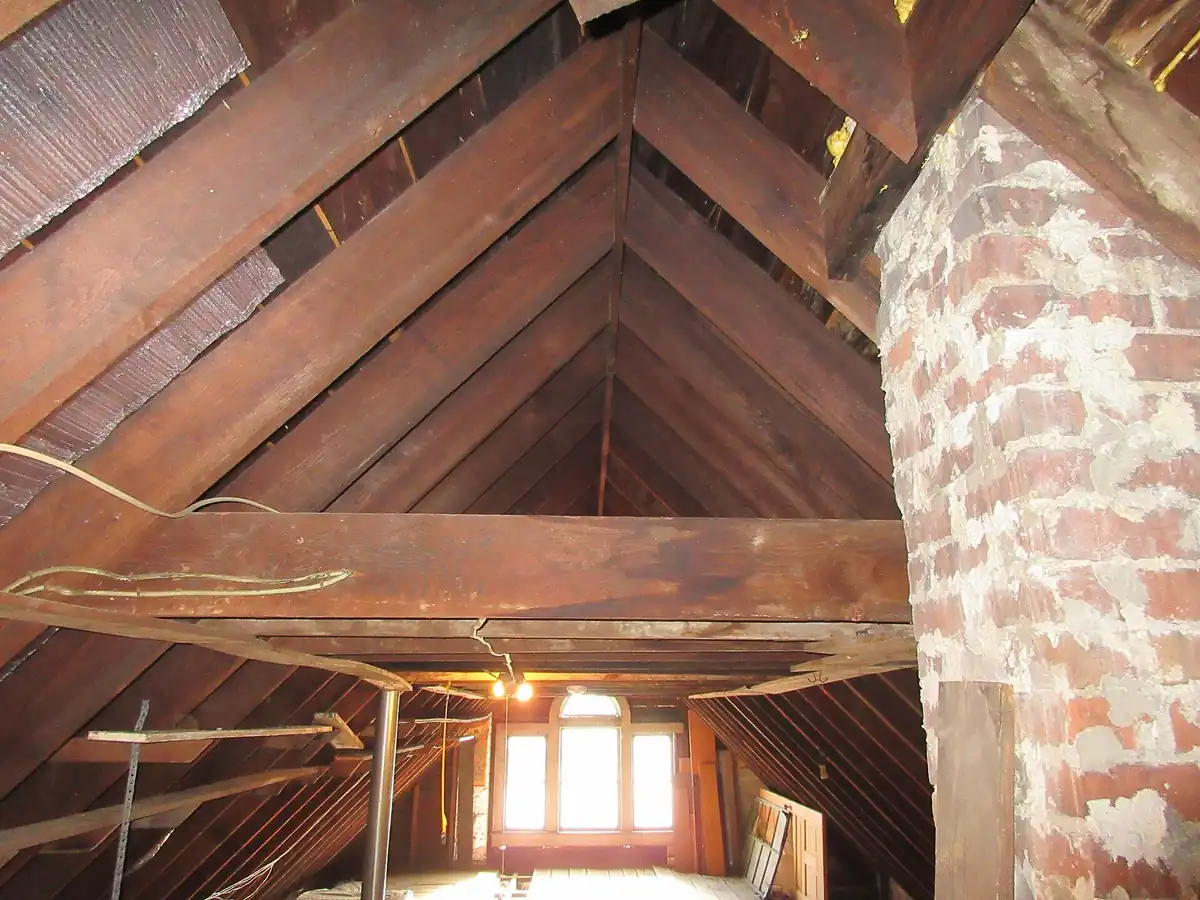
The inspector starts at the hatch with a strong light, scanning the rafters, purlins, ridge, sarking and the tops of the ceiling joists for exit holes and dust. Where there is safe footing on joists or boards, the check moves further in. Each area seen is recorded with what was found: holes, their size and colour, dust, and the timber.
- Rafters and purlins. The edges of each member, where sapwood sits, carry most of the holes. Arrises and the underside of purlins are checked closely.
- Sarking. The boards laid over the rafters in many older houses are thin, untreated and often heavily holed, and dust collects on the purlins below them.
- Ceiling joists and runners. Their upper faces are often hidden by insulation, so what can be seen is recorded and what cannot is listed.
- Roof penetrations. Flues, vents and old skylights are where leaks wet the timber, and wet timber is noted as a separate finding.
A probe or blunt tool is pressed into suspect members. Timber that crumbles or dents easily is marked for a builder to look at, because a treatment does nothing for strength.
What does dust on the ceiling mean?
Fine, gritty dust falling onto a ceiling, a light fitting or the top of a wardrobe can be frass pushed out of the timber above by borer larvae or emerging beetles. It can also be ordinary dust, old plaster, insulation fibres or debris from rodents. The roof space check is how one is told from the other, by finding where the dust comes from.
Borer frass has a gritty, slightly granular feel and usually gathers in small heaps below a source. If the ceiling is lined with tongue-and-groove boards, dust can fall through the joints from holes in the boards themselves, which is a ceiling lining finding rather than a framing one. Pinhead holes with powder as fine as talcum point to the powderpost beetle in hardwood, which is uncommon in roof framing but possible in hardwood battens.
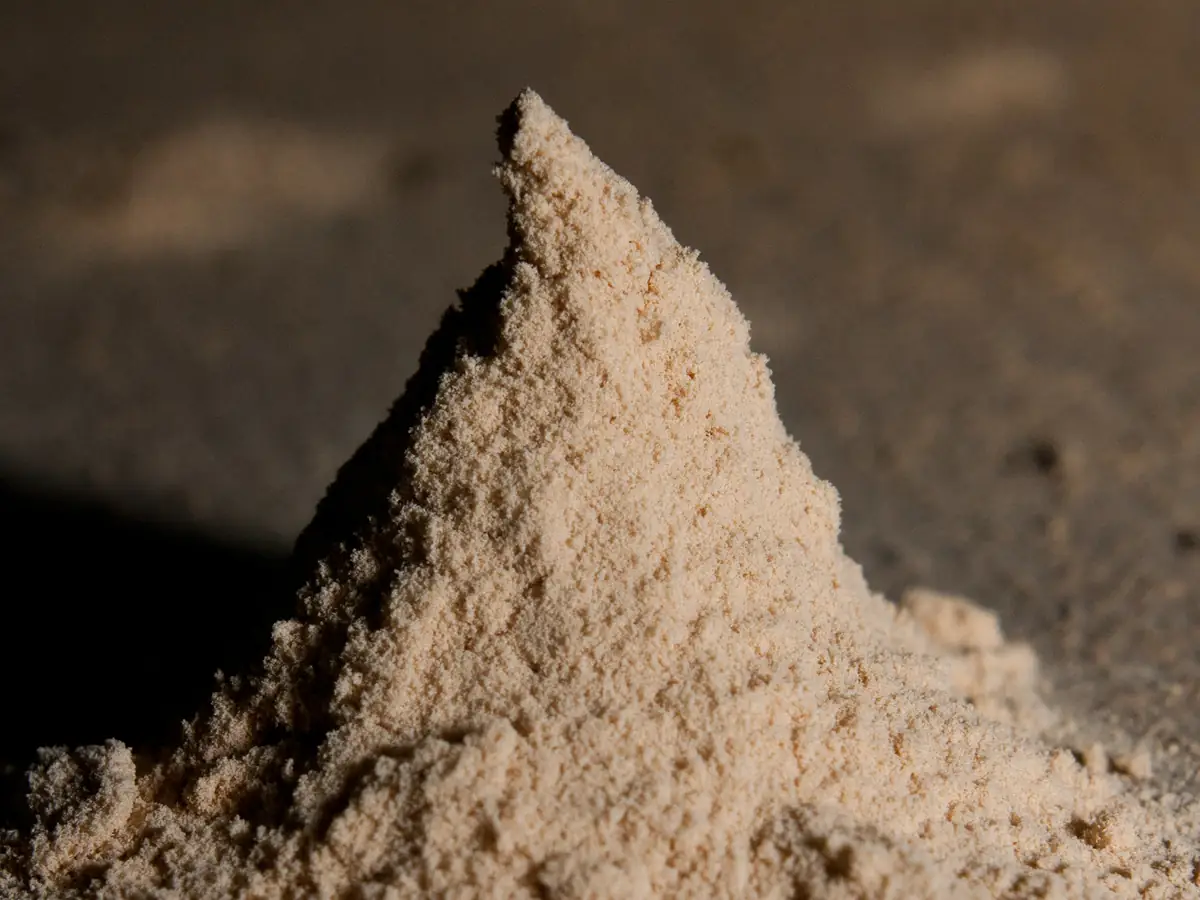

If you clean a patch of ceiling dust and it reappears within weeks, note the date and tell the inspector. That one observation is good evidence that something above is still working.
Can insulation hide borer?
Yes. Blanket or loose-fill insulation laid over the ceiling joists covers the timber most likely to show holes near the ceiling, and it also hides the dust that would show activity. The inspector looks at the framing that stands above the insulation, lifts a corner where it can be done without damage, and records the rest as not seen.
Insulation is not lifted wholesale during an inspection: it is easily damaged, some older types are unpleasant to handle, and moving it disturbs the dust that tells the story. If the house is due for new insulation anyway, that is a good moment to have the exposed ceiling joists looked at, and to treat any bare timber that needs it before the new insulation goes down.
Access and safety: what gets recorded as not inspected?
Some roof spaces cannot be fully checked. A low-pitched roof leaves little room near the eaves, ceiling linings between joists will not take a person's weight, and wiring, downlights and old fittings sit where feet would go. The inspector goes only where the footing is safe and lists every area that could not be reached or seen.
- Low clearance near the eaves. Often seen from a distance with a light and recorded as a partial view.
- No hatch, or a hatch that cannot be opened. Recorded as roof space not inspected, with a note on what would allow access.
- Covered timber. Insulation, stored goods and boarding laid for storage all hide framing.
- Suspected hazards. Anything that looks unsafe to stand near is left alone and noted.
A not-inspected line is not an all-clear. If you are buying, ask the vendor or agent whether access can be improved before your condition date. If you own the house, a better hatch or a few boards laid on joists can make the next check much more complete.
What happens if the roof space borer is live?
Live borer in roof framing is usually a treatment matter rather than a building one, because the beetle feeds mostly in sapwood and leaves heartwood carrying the load. The findings say which section of the roof space needs treating, and the treatment is quoted for that section alone, timed ahead of the next flight season.
Treatment of bare roof timber generally means a residual or borate product applied to the exposed surfaces, sometimes with a fogger during the flight season for adult beetles. Consumer NZ describes airborne treatments as reaching flying adults only, which is why the surface application does the long-term work. Published Auckland prices for treating a roof space run about $350 to $600 + GST, a guide only. Method and timing are set out on the borer treatment page, and the borer cost guide covers what moves the price.
| Finding | Usual next step |
|---|---|
| Old, dark holes, no dust after cleaning | No work; note it for future reports |
| Fresh holes or new dust in one section | Treat that section before the flight season |
| Holes through most of the sarking | Treat; ask a builder about sarking condition at the next re-roof |
| Members that dent or crumble when probed | A builder to assess before any treatment |
| Large oval holes in damp timber | Find the leak first: huhu need damp wood |
How do roof space findings fit with the rest of the house?
The roof space is checked as one part of a whole-house inspection, because a beetle working in the rafters may also be in the subfloor, the floorboards or the furniture. Comparing parts of the house also helps date the problem: an active roof space over a quiet subfloor points to a different history than borer spread everywhere.
If the subfloor has borer too, the subfloor guide explains what is checked under the floor. Houses with very old roofs, such as villas and bungalows, tend to carry the most roof-space borer, and buyers can have the roof checked as part of a pre-purchase borer inspection.
How this part fits into a single visit, with the fee and the report it produces, is summarised under Auckland borer inspection.
Asked before booking
Can I check my own roof space for borer?
You can look from the hatch with a good torch for small round holes and fine dust on the timber, and that is useful to report when you book. Stay on the joists, keep clear of wiring and do not stand on the ceiling linings. Telling live borer from old holes, and checking the far corners, is what the inspection adds.
Is borer in the ceiling dangerous?
The beetles themselves do not bite or sting, and roof framing usually keeps its strength because the common house borer feeds mainly in sapwood. The risk is long-term weakening of thin members such as sarking and battens, and spread to other parts of the house. A probe test during the inspection shows whether any member has lost strength.
Does new roofing remove the borer problem?
Re-roofing replaces the cladding and sometimes the battens, but rafters, purlins and ceiling joists usually stay. A re-roof is a good time to inspect and treat the exposed framing while it is easy to reach, rather than a cure on its own.
What if the roof space has no hatch?
The roof space is recorded as not inspected, with a note saying what would allow access, such as cutting a hatch in a suitable spot. Dust or holes in the ceiling linings can still be read from below, but the framing above stays an open question until someone can get up there.
Related pages
- Borer inspectionWhat a borer inspection records, part by part, and what it costs
- Treating live borerWhat treatment involves after a live borer finding: bare and finished timber, timing, moisture and follow-up
- Borer costPublished Auckland prices for borer inspections and treatment, and what moves them
- Flight seasonThe months each borer flies in New Zealand, and what that means for treatment and for buyers
Sources
Book a roof space borer check
The inspection is $285 + GST, credited against treatment done through the same operator. Treatment ranges sit on the cost page.