Auckland locations
Borer inspections by Auckland location
One inspection method serves every part of Auckland. The variable is the building itself: its decade, the species of wood in it, the soil and slope beneath it, and the planning rules that govern replacing original boards.
Borer inspections are available across all of Auckland at the same fee, $285 + GST. The suburbs below have their own pages because their housing raises particular questions: villas with untreated native timber, interwar bungalows, damp bush sections, houses from the untreated-framing years, and character overlays that affect repairs.
Which Auckland suburbs have their own notes?
Thirteen suburbs have a local page so far, chosen for the age and type of their housing rather than their size. Each page covers how the suburb was built up, the timbers you are likely to meet, the ground and moisture conditions, any character or heritage controls, and what the inspection concentrates on there.
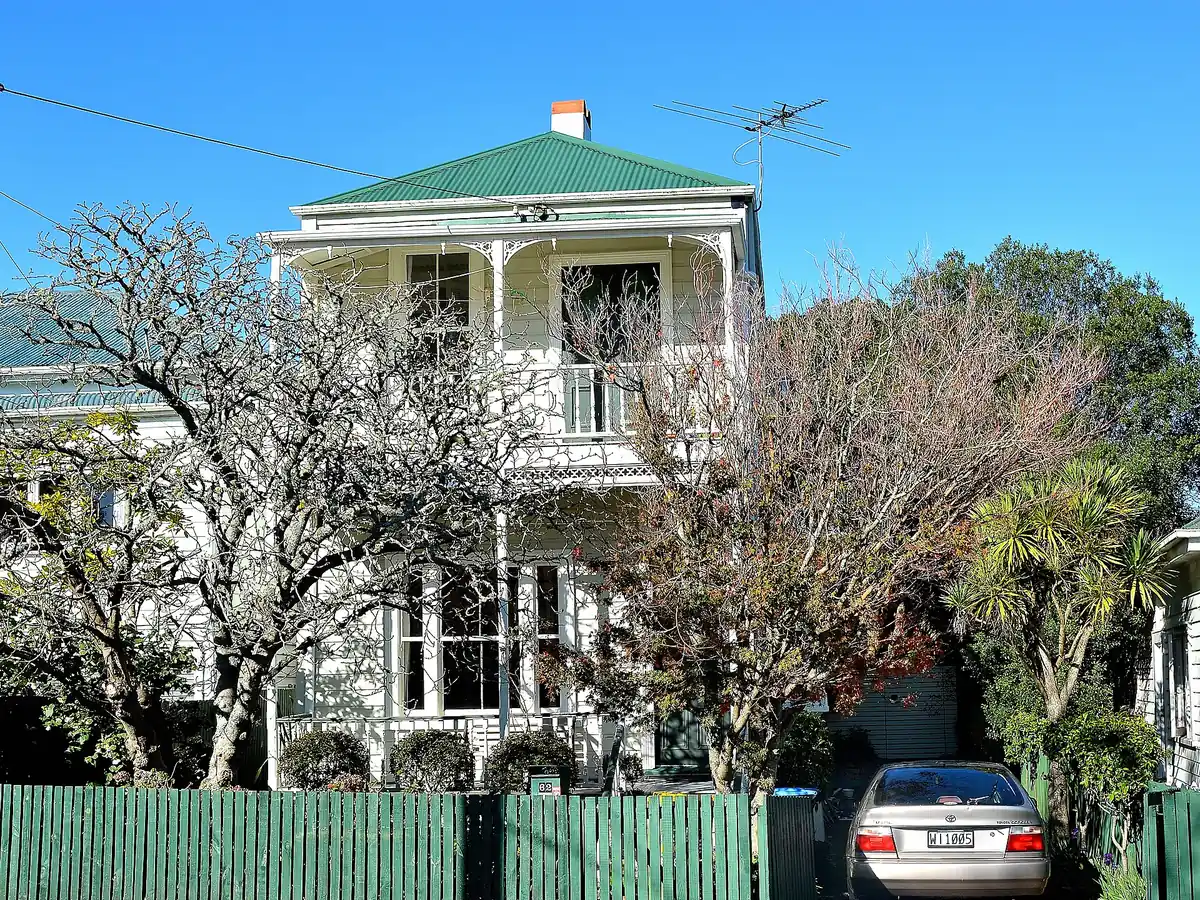

- PonsonbyTight-packed 1880s to 1910s villas and cottages, many renovated more than once.
- Grey LynnVillas and bungalows on slopes and gullies, with mixed old and new timber after renovations.
- ParnellAuckland's oldest suburb: cottages, villas and listed heritage buildings.
- Mt EdenVillas and bungalows on volcanic ground, much of it under the special character overlay.
- Epsom1920s and 1930s California bungalows on generous sections.
- RemueraLarge villas, bungalows and interwar houses on the northern slopes.
- OnehungaEarly cottages, bungalows and state houses near the Manukau Harbour.
- Botany1990s and 2000s subdivisions, some from the untreated-framing years.
- DevonportKauri villas by the harbour, with sea air, salt and old subfloors.
- TakapunaMid-century houses beside apartment blocks and body corporates.
- BirkenheadPoint villas and post-bridge houses above bush gullies.
- NorthcoteNorthcote Point villas and the 1950s state housing inland.
- TitirangiBush-clad hillside houses where damp brings huhu and longhorn into the timber.
Why does the suburb matter for a borer inspection?
Borer risk follows the timber, and the timber follows the decade a house was built. The common house borer feeds in the sapwood of untreated timber, so a 1900s villa of untreated native timber is a different proposition from a 1960s house framed in boron-treated pine. Ground and slope matter as well, because damp subfloors keep infestations going and draw the native longhorn and huhu into heartwood.
The build-year side of this is set out in the guide to house borer by build year, and the damp side in borer and moisture.
How the housing changes across the region
Auckland's older timber housing is concentrated on the isthmus and the inner North Shore, where villas and bungalows were built along the tram and ferry routes before the Second World War. Later suburbs spread outward in waves, and each wave used different framing, which is why the same beetle can be a minor note in one street and a structural question in another.

| Area | Common housing | What the inspection watches |
|---|---|---|
| Inner isthmus: Ponsonby, Grey Lynn, Parnell | Villas and cottages of untreated native timber | Sapwood in floors, sarking and weatherboards; renovation joins |
| Mt Eden, Epsom, Remuera | Villas and California bungalows | Subfloors, verandahs, lower weatherboards |
| Devonport, Northcote Point, Birkenhead Point | Harbourside villas | Damp subfloors, salt-weathered cladding |
| Titirangi and the Waitakere foothills | Hillside houses in bush | Moisture, longhorn and huhu in damp timber |
| Botany and other 1990s to 2000s suburbs | Houses from the untreated kiln-dried framing years | Framing visible in the roof space and subfloor |
Do character and heritage rules change what happens?
They can. Much of the villa belt sits under the Auckland Unitary Plan's special character overlay, and some houses are on the historic heritage schedule. Repair is generally treated differently from alteration under those rules, so replacing original exterior timber may need more than a builder's quote. The inspection records what is original and what has been replaced, which helps that conversation.
The heritage and character homes page covers this in more detail. Check any particular address with Auckland Council, because overlay boundaries are reviewed from time to time.
My suburb is not listed. Can I still book?
Yes. The service covers all of Auckland, and the inspector travels to any property in the region for the same fee. The local pages exist where there is something genuinely different to say about the housing; for every other suburb the general pages apply, starting with the borer inspection and, for buyers, the pre-purchase borer check.
The fee, the report format and the booking steps are the same everywhere; they are summarised under Lignum Timber Inspections.
Background for every suburb
- Villas and bungalowsWhere borer usually shows in Auckland villas and California bungalows, and in renovations that mix old and new timber
- Heritage and character homesBorer in scheduled heritage and special character houses: keeping original timber, consents and working with a builder
- Untreated framing yearsHouses from the untreated kiln-dried framing window of about 1995 to 2005, and what that means for borer
- House borer by build yearWhich New Zealand houses carry house borer, era by era, and why the framing timber decides it
Sources
Book an inspection anywhere in Auckland
The inspection is $285 + GST, credited against treatment done through the same operator. Treatment ranges sit on the cost page.