Ponsonby, inner west
Borer inspections in Ponsonby
Ponsonby's timber houses were mostly standing before the First World War, which means every original stick in them went in untreated. A borer inspection here is less about whether the beetle ever visited and more about whether it is still working, and where.
A Ponsonby borer inspection looks at the roof space, the subfloor, the weatherboards and the floors of a cottage or villa built before boron treatment existed. The inspector names the beetle, judges whether it is still emerging, records which members carry it and flags damp or weakened timber. The service is mobile and covers all of Auckland, so the inspector comes to the house.
The inspection costs $285 + GST. The fee is credited against the treatment if you go ahead with the recommended work through the same operator.
What was built along the Ponsonby ridge, and when?
Ponsonby runs along a north to south ridge that Ponsonby Road follows. Land here was first cut up in 1845, when the district was still called Dedwood; the name Ponsonby was adopted in 1873. A horse tram from Queen Street arrived in 1884 and electric trams in 1902, and most of the surviving houses date from those decades either side of 1900.
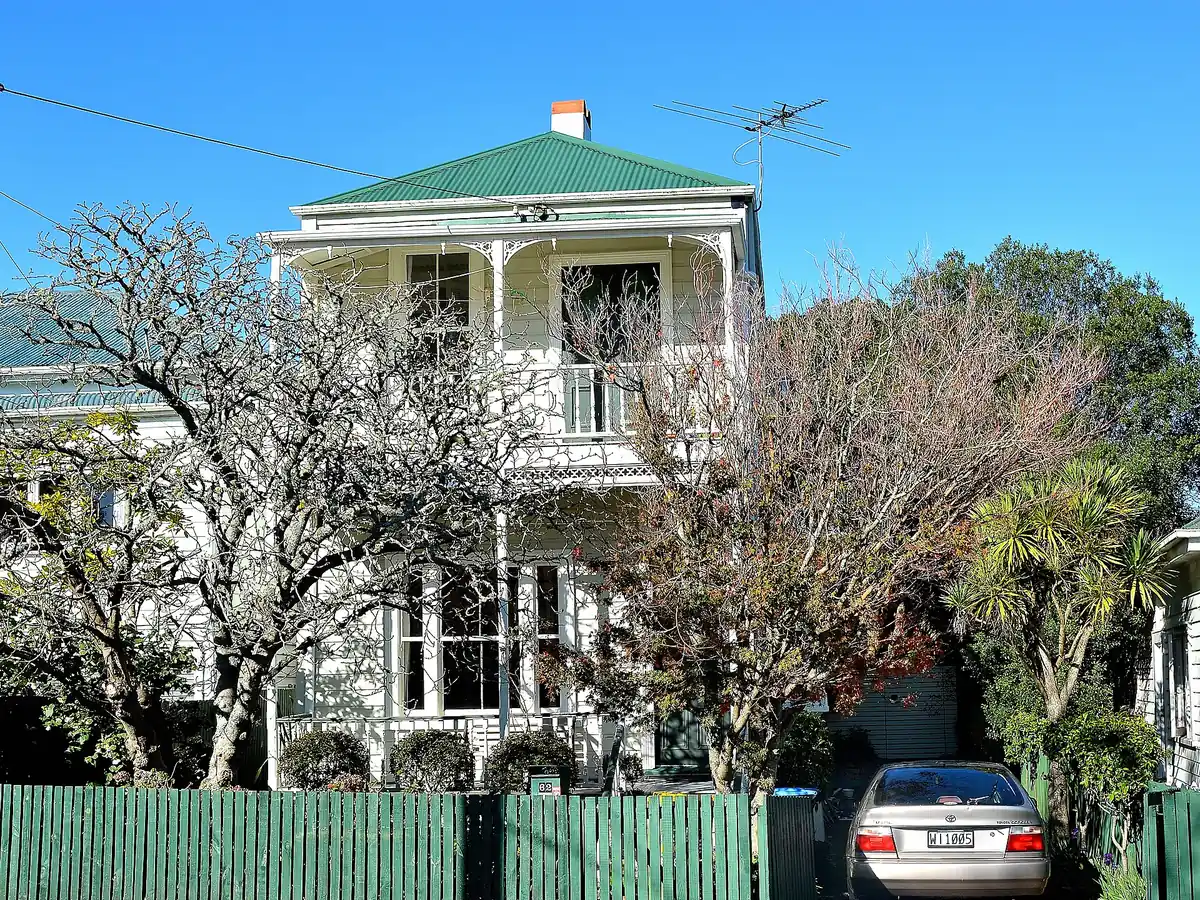
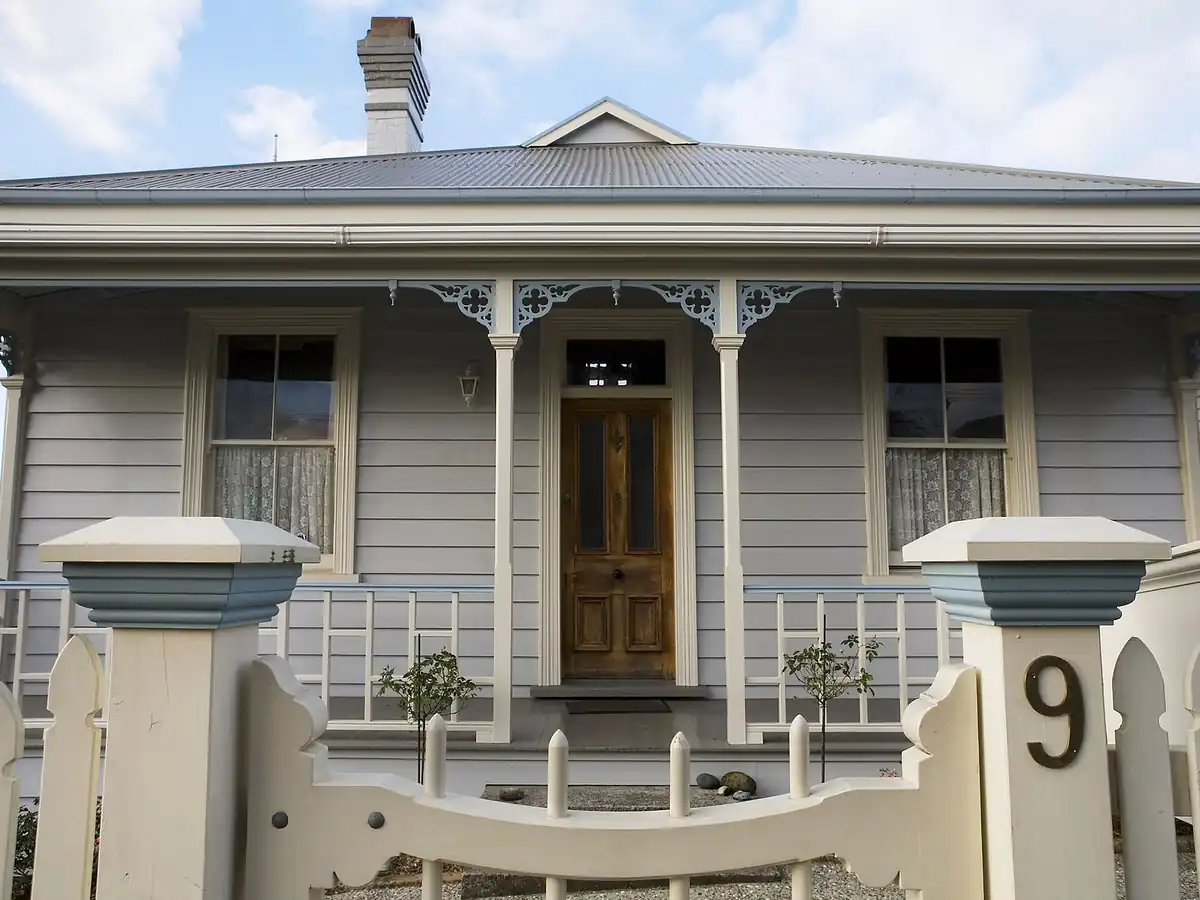
Auckland Council's character surveys describe the southern part of Ponsonby as cottages from the 1860s to 1880s and villas from the 1880s onward, on narrow lots, sometimes with later building behind the street house and sometimes with almost none. Renall Street, on the northern slope, is a registered historic area of Victorian houses that have changed little. By the early 1900s there were already complaints about crowding, and by the 1950s and 1960s many of these houses were cheap rentals before renovation money arrived from the 1970s.

Te Rimu Tahi: the ridge before the houses
Before it carried a road, the Ponsonby ridge was known as Te Rimu Tahi, after a lone rimu that stood near where Ponsonby Road now meets Karangahape Road. The Waikuta Stream ran down College Hill, and kuta sedge was gathered beside it. That ridge line still decides how water moves around Ponsonby houses.
Streets that drop away toward Herne Bay, St Marys Bay or Freemans Bay carry rain downhill past the houses below. A villa near the top of a slope usually has a drier subfloor than one near the bottom, where runoff from uphill neighbours and old stream lines can keep the ground damp for months. The inspection records where water reaches the subfloor, because damp timber is where the native two-toothed longhorn and huhu take hold, and where house borer larvae develop faster.
Why does a renovated villa still need its borer checked?
Renovation covers timber up; it does not treat it. A Ponsonby villa with new linings, a modern kitchen and polished boards can still have untreated rimu or kauri framing in the walls, original sarking in the roof and the same bearers and joists underneath that were nailed down around 1900. The beetle works in the parts nobody redecorated.
Boron treatment only began in New Zealand in 1952, so a pre-war Ponsonby house has no chemical protection in its original timber. What an inspection can establish is how much of that untreated timber is still accessible, where exit holes are clustered, and whether any of them are fresh. Additions built in the late 1990s or early 2000s deserve their own look: untreated kiln-dried framing was acceptable from 1995 and stopped being acceptable for new consents from 1 April 2004, so a lean-to or rear extension from that window can contain radiata pine with no boron in it at all. The house borer by build year guide sets out those dates in full.

Things to mention when you book a Ponsonby visit
A short note when booking makes the visit more useful. Tell the inspector where you have seen holes or dust, which rooms were renovated and roughly when, whether there is a rear extension or sleep-out, and how the subfloor and roof space are reached. If you are buying, add the auction or condition date.
- Fresh dust on window sills, under rugs or along the tops of skirtings, and when you first noticed it.
- Recent work: replastered walls, a new kitchen or bathroom, a re-roof, or freshly sanded floors.
- A flat-roofed or skillion addition at the back, which may hide framing of its own.
- Furniture or antiques you would like looked at during the same visit.
Renovation dates help because they tell the inspector which timber is original and which went in later, and whether a rear addition falls inside the untreated framing window.
Getting under and above a house on a narrow section
Many Ponsonby houses sit close to both side boundaries, so the inspector may reach the subfloor through a small hatch at the back or a gap beside the steps rather than along a side path. On sloping streets the front of the subfloor can be only a crawl high while the downhill end is tall enough to stand in. Both are recorded honestly.
Roof spaces in villas with original ceilings are often reachable through a manhole in a hallway; where a ceiling has been raked or lined to the rafters, the roof timber is hidden and the report says so rather than guessing. Street parking near Ponsonby Road is tight on weekdays, so it helps to mention a driveway or loading spot when booking. If an area cannot be reached safely it is listed as not inspected, which matters if you are relying on the findings to bid. The guide to piles and the subfloor explains what a low subfloor hides.
Which beetles turn up in Ponsonby houses?
The common house borer is the usual finding: round holes of one to two millimetres in the sapwood edges of rimu, kahikatea or pine, with gritty dust. In a damp corner of a subfloor the native two-toothed longhorn is the one to worry about, because it tunnels through heartwood as well. Hardwood floors laid in tawa or rewarewa can carry powderpost beetle instead.
- Exit hole size and shape separate the beetles; oval holes of three to seven millimetres point to the longhorn.
- Dust texture matters: talc-fine powder in a hardwood board suggests powderpost beetle.
- Huhu holes, large and oval, mean wood that has stayed wet, so the finding becomes a moisture question first.
Character rules if borer-damaged weatherboards come off
Large parts of Ponsonby sit in the Auckland Unitary Plan's Special Character Areas Overlay for residential land, and Ponsonby Road itself is a special character business area. Under the operative rules, restoration and repair of a building in the residential overlay is a permitted activity, while external alterations need resource consent.
In practice that means replacing a few borer-riddled boards or a verandah post with matching timber of the same profile is repair. Changing the cladding material, the window joinery or the verandah form is an alteration, and the council's assessment criteria say traditional materials such as timber weatherboards and timber joinery are generally appropriate. Building consent is a separate question: like-for-like replacement of some boards is usually exempt, a full reclad is not. Overlay boundaries are being reviewed through Plan Change 120, so confirm the current maps for the address with Auckland Council before work starts. More on the boards themselves is in borer in weatherboards.
Buying in Ponsonby when the house goes to auction
If a Ponsonby house is being sold at auction, remember that an auction bid is unconditional. Any borer check therefore has to happen before the hammer falls, usually in the same week as the building inspection. Book as soon as you have decided to bid, and tell the inspector the auction date so the written findings arrive in time.
A builder's report on a villa will usually mention borer somewhere, often as "evidence of borer" with no view on activity. The pre-purchase borer inspection answers the questions that line leaves open. If you are deciding how much the finding should move your bid, is borer a deal breaker? walks through it.
What the written findings cover for a Ponsonby villa
The report goes area by area: roof space, subfloor, exterior, floors and any furniture you point out. For each it records the species, whether emergence looks current, the timbers affected, moisture and ventilation, and any member that is soft enough to need a builder. Each area ends with no action, treatment, or a builder to look.
For a Ponsonby villa the moisture notes often carry the most weight: blocked vents on a tight boundary, a downpipe discharging under the house, or a bathroom leak above the bearers. Fix those and a treatment lasts; ignore them and the longhorn or huhu keeps going. Nearby, the Grey Lynn page covers the workers' cottages on the far side of the ridge.
Every other suburb gets the same visit and the same report format; the overview is under borer inspection Auckland.
Asked before booking
Is borer normal in a Ponsonby villa?
Old exit holes are common in Ponsonby houses because the original framing, sarking and floors predate boron treatment. Holes alone do not mean live borer. The useful question is whether anything is still emerging and whether any structural member is weakened, which is what the inspection is there to answer.
Can I replace borer-damaged weatherboards in a special character area without resource consent?
Repair using matching materials is listed as permitted in the residential special character overlay. Changing materials, profiles or the look of the street front is an alteration that needs resource consent. Check with Auckland Council for the specific address before ordering timber.
How quickly can I get findings before an auction?
Mention the auction date when you book. The visit is usually a single trip, and the written findings follow it, so leave a few working days before the auction rather than booking the day before.
My Ponsonby villa was fully renovated in the 2000s. Is an inspection still worthwhile?
Usually, yes. Renovations replace linings and finishes but rarely the original subfloor framing or roof sarking, which stay untreated. A renovation from around 2000 may also have added untreated kiln-dried pine. The inspection shows which parts are original and whether anything in them is active.
Useful for Ponsonby buyers
- Pre-purchase borer inspectionA borer check timed to your building condition, read alongside the building report
- Borer in weatherboardsBorer in lower boards and sills, what paint does and does not stop, and replace versus treat versus repaint
- Is borer a deal breaker?When borer should change an offer on a house, and when it should not
Sources
- Wikipedia: Ponsonby, New Zealand
- Auckland Council: Special Character Residential findings reports, central isthmus (PC 78)
- Auckland Unitary Plan, chapter D18: special character areas
- Auckland Council: re-clad your home
- The Spinoff, January 2026: what Plan Change 120 would change
- Standards New Zealand: timber treatment dates
- Settled.govt.nz: buying by auction
- NZ Farm Forestry Association: household borer
Book a borer inspection in Ponsonby
The inspection is $285 + GST, credited against treatment done through the same operator. Treatment ranges sit on the cost page.