Grey Lynn, Arch Hill and West Lynn
Borer inspections in Grey Lynn
Grey Lynn was called Newton until 1899, and much of its housing was put up in a rush between the 1883 Surrey Hills subdivision and the tram extensions of 1910. A pre-purchase borer check here usually means a cottage or villa well over a century old.
For a Grey Lynn house, the borer inspection covers the subfloor, roof space, cladding and floors, and pays close attention to ground moisture on the lower, wetter sections near the old creek lines. The inspector identifies the beetle, decides whether it is active, lists the affected timbers and flags anything soft enough to need a builder. Mobile service: the inspector travels to the property, wherever it is in Auckland. There is no shopfront to visit.
The fee is $285 + GST. The fee is credited against the treatment if you go ahead with the recommended work through the same operator.
Low ground, old creeks and damp subfloors
Grey Lynn falls away from the Surrey Crescent ridge toward Coxs Bay, Motions Creek and the old Arch Hill gully, now partly under the Northwestern Motorway. The land that became Grey Lynn Park was left out of the 1883 subdivision because it was too steep and too wet to build on, and it was drained for sport only in 1915.
Houses on the lower streets can sit over ground that stays damp through winter, and Auckland is a humid city to begin with: NIWA's 1991 to 2020 figures put mean 9am relative humidity at about 82 per cent. The common house borer develops fastest above roughly 70 per cent relative humidity, the native two-toothed longhorn favours damp subfloor timber, and huhu needs wood that stays wet. A Grey Lynn inspection therefore records vents, ground cover, standing water and the moisture of bearers alongside the holes themselves.
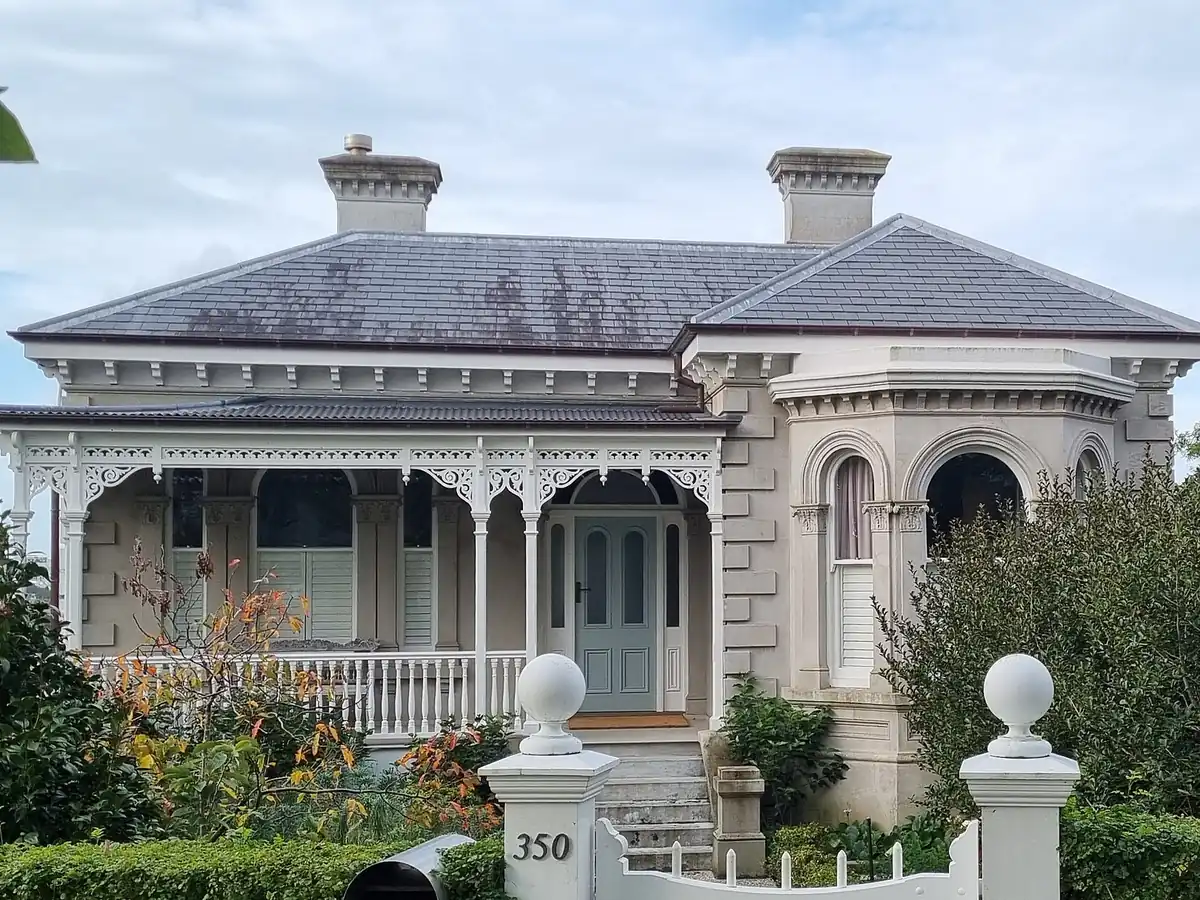

From Surrey Hills sections to council cottages: the Grey Lynn housing record
The 310-acre Surrey Hills Estate went to auction as housing lots in 1883. A depression from 1885 slowed building, it picked up again in the late 1890s, and by 1903 there were about 1,040 dwellings. Tram lines to West Lynn in 1910 brought another round of subdivision. Most of this housing was small timber workers' cottages and villas.
-
1860s to 1880s cottages
Narrow, close-set and low to the ground, often with the tightest subfloors in the suburb.
-
1880s to 1910s villas
Bay or straight-front villas, many in kauri, renovated by new owners from the 1970s onward.
-
1920s council houses
About 60 workers' houses built by Auckland City Council on Old Mill and West View Roads.
-
Later infill
Units and rear houses; anything consented between the mid-1990s and 2004 may hold untreated framing.
Every house in the first three groups predates 1952, when boron treatment of timber began, so its original timber has no preservative in it.
Where the beetle hides in a workers' cottage
In a Grey Lynn cottage the subfloor is the first place to look and often the hardest to reach. Floor joists may sit a short distance above the soil, piles may be timber, and the back of the house may have been extended more than once. Exit holes cluster where sapwood edges face damp air and where earlier repairs used untreated offcuts.
Inside, look at the bottoms of door frames, skirtings on outside walls and floorboards near the back door, where wet shoes and leaks soften the timber first. The roof space of a small cottage can be shallow, with sarking boards that show dust on the ceiling below. The page on borer in floorboards explains why sanded and sealed boards can hide holes that are still active underneath.

Is Grey Lynn under special character rules?
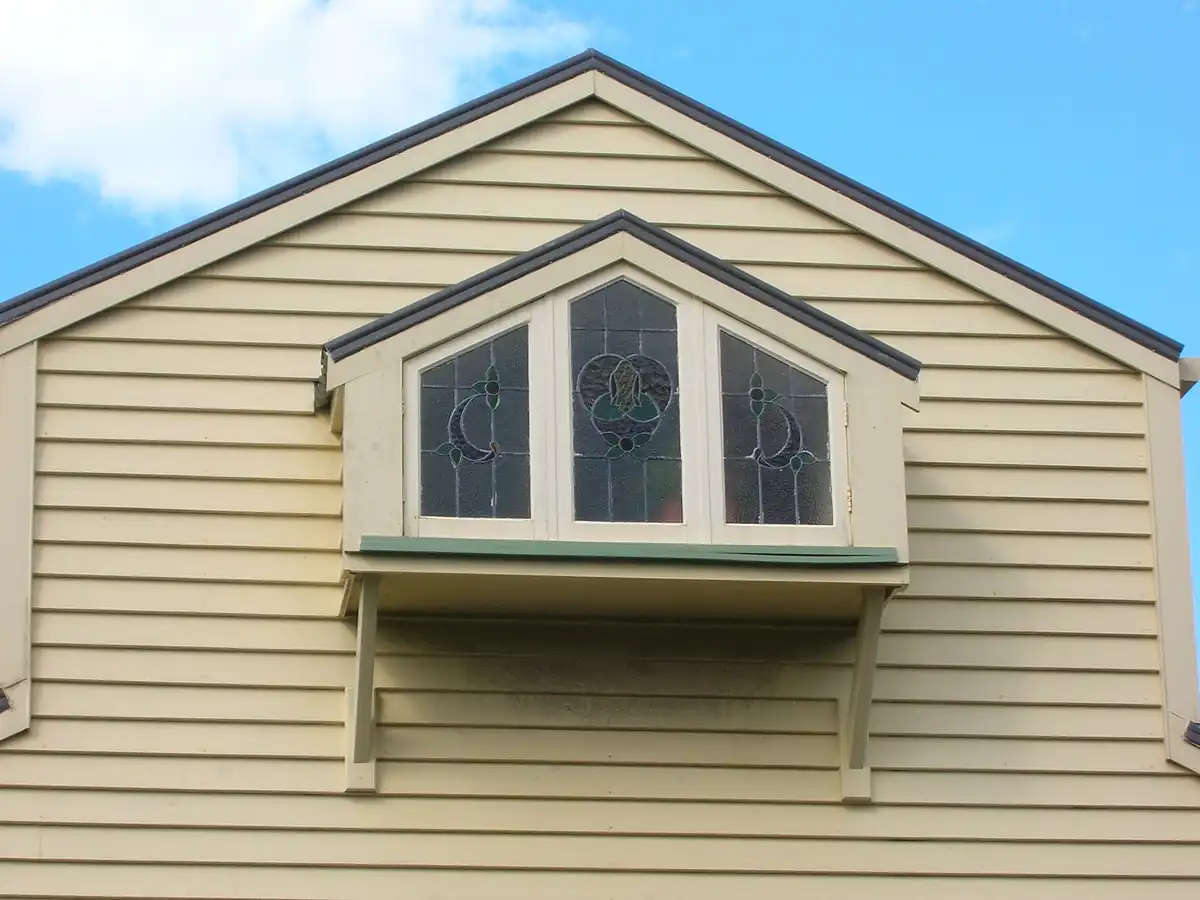
Yes, much of it. Auckland Council's character surveys place Grey Lynn South and Arch Hill in the residential special character overlay, describing dense cottages and villas on narrow lots, and the Grey Lynn and West Lynn shopping strips are special character business areas. Repair is permitted; external alteration needs consent.
For borer work that distinction is useful. Swapping out damaged lower weatherboards, a sill or a verandah board with matching timber is repair. Replacing the cladding with a different material, or changing the street face, is an alteration that the council assesses, and its criteria favour timber weatherboards and timber joinery. The council's own guidance says re-cladding does not usually need resource consent unless the property is in a special character area. Boundaries are under review in Plan Change 120, so check the map for the address.
Renting out a Grey Lynn cottage: what borer means for a landlord
Grey Lynn has long had a large share of rented houses: 31 per cent of households rented in 1961 and 45 per cent by 1981. For a landlord, borer is a repair question. The Residential Tenancies Act requires premises to be kept in a reasonable state of repair, and tenants must report damage promptly.
The Healthy Homes standards also require a ground moisture barrier under suspended floors with an enclosed subfloor, where that is reasonably practicable. The barrier helps against borer as well as damp, because it dries the air around bearers and joists. An inspection gives the landlord written findings to act on, and tenants can point the inspector to the dust or holes they have seen.
What buyers in Grey Lynn usually want answered
Most Grey Lynn buyers already expect old holes. What they want to know is whether the borer is live, whether any subfloor member is weakened, and what fixing it would involve. A building report often stops at "evidence of borer", which is why a separate borer check is booked alongside it before the offer goes unconditional.
If the property is going to auction, the check has to be done before auction day because the bid itself is unconditional. The guide to borer in a building report explains the usual report phrases, and borer cost covers treatment ranges if the answer is yes.
Pensioner flats, later units and the treated-timber dates
Not every Grey Lynn building is a villa. State-owned pensioner units went up in the 1940s on Great North Road, Surrey Crescent and Gilbert Avenue, and later decades added units and rear houses on subdivided lots. Their framing depends on when they were built, which is why the build year shapes the findings.
Buildings from after 1952 may contain boron-treated framing, so the inspector checks the timber rather than assuming either way. From September 1995 untreated kiln-dried framing was allowed again, and new consents needed treated framing only from 1 April 2004. A Grey Lynn rear house or unit consented in that gap can contain radiata pine with no preservative at all.
When the subfloor shows more than borer
A damp Grey Lynn subfloor sometimes shows rot, huhu or a sagging bearer rather than a simple house borer finding. In that case the inspection records it as a builder's matter, because no surface treatment restores strength to timber that has lost it. Treatment is only quoted for members that are sound enough to keep.
Replacing a few piles or joists like for like is generally exempt from building consent; a full re-pile is not, and is restricted building work. The borer damage repair page covers that line in detail. For villas on the ridge itself, see the Ponsonby page; for volcanic ground further south, Mt Eden.
Every other suburb gets the same visit and the same report format; the overview is under Lignum Timber Inspections.
Asked before booking
Why does the inspector care about the gully behind my Grey Lynn house?
Sloping, wet ground keeps the subfloor air damp. Damp timber suits the native two-toothed longhorn and huhu, and speeds up the common house borer, so the moisture source is recorded and fixed along with any treatment.
Do the 1920s council houses on Old Mill Road have borer?
They were built decades before boron treatment began in 1952, so their original framing and floors are untreated. Whether a particular house has live borer depends on its timber, its moisture and its history, which is what the visit establishes.
Can I get a borer check done the same day as the building inspection?
Often, yes, if access to the roof space and subfloor is arranged with the agent. Tell us both dates when you book so the visits can be coordinated around your condition deadline.
I rent a Grey Lynn house and keep finding dust. What should I do?
Tell your landlord in writing as soon as you notice it; tenants are expected to report damage or needed repairs promptly. The landlord can then arrange an inspection. Dated photographs of the dust and holes help the inspector judge whether the borer is still active.
For Grey Lynn houses
- Borer in floorboardsHouse borer and powderpost beetle in timber floors, finished versus bare boards, and when boards need replacing
- Borer in a building reportWhat the common borer phrases in a pre-purchase report can and cannot tell you
- Huhu in the houseWhy huhu in house timber points to wet wood, and where the moisture usually comes from
Sources
- Wikipedia: Grey Lynn
- Auckland Council: Special Character Residential findings reports, central isthmus (PC 78)
- AUP D18 Special Character Areas Overlay, residential and business
- Auckland Council: re-clad your home
- Figure.NZ: mean 9am relative humidity, NIWA 1991 to 2020
- NZ Farm Forestry Association: two-toothed longhorn
- NZ Farm Forestry Association: huhu beetle
- Standards NZ: historical dates for timber treatment
Book a borer check in Grey Lynn
The inspection is $285 + GST, credited against treatment done through the same operator. Treatment ranges sit on the cost page.