North Shore · Devonport-Takapuna
Borer inspection in Takapuna
Takapuna has gone from summer houses by a lake to one of the busiest apartment centres outside the city. Who owns the timber, and who has to fix it, is part of any borer inspection here.
In a stand-alone Takapuna house, an inspection works as anywhere else: the roof space, subfloor, cladding and floors, with older lake-side houses most likely to carry the common house borer. In a unit or apartment, damage in shared structure is usually the body corporate's to repair, so the inspection and the body corporate records go together.
Takapuna is covered like the rest of Auckland, at $285 + GST. The fee is credited against the treatment if you go ahead with the recommended work through the same operator.
Lake estates, a borough and the bridge
Villas went up on the eastern shore of Lake Pupuke from 1863, and the Hurstmere and Pupuke estates were subdivided in 1886 and 1889. By the late 1880s wealthy Aucklanders were building large summer homes around the lake and the beach. A private tramway ran from 1910 to 1927, and Takapuna became a borough in 1913.
From the 1930s the summer residences gave way to permanent housing and Takapuna became a commercial centre. The Harbour Bridge opened in 1959, Takapuna City followed in 1961, and the North Shore filled in around it. That leaves a mix: a few large early houses, many homes from the 1930s to the 1970s, and a centre now dominated by apartments and townhouses.
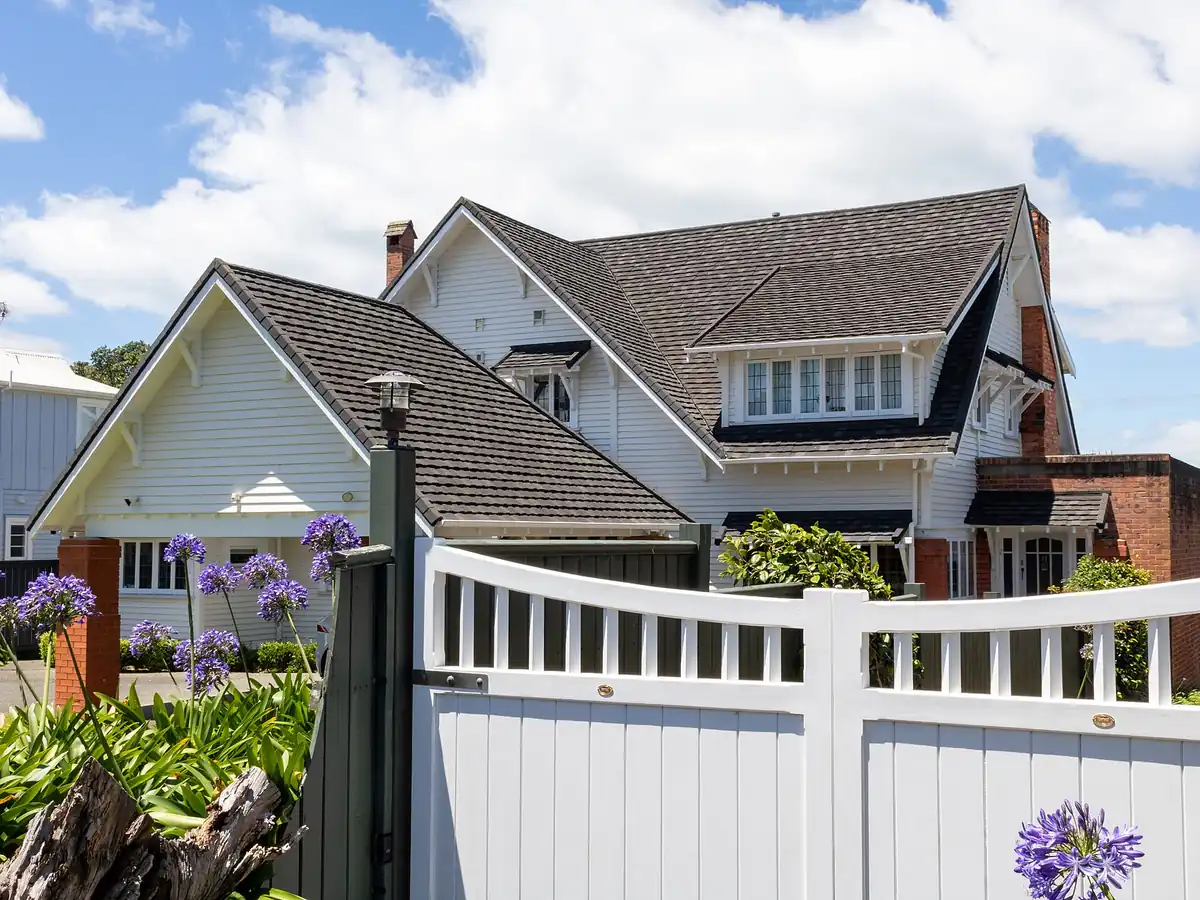

Who is responsible for borer in a unit title?
Under the Unit Titles Act 2010 the body corporate maintains and repairs the common property and levies owners for it. In most multi-unit buildings, shared structure such as roof framing and cladding falls to the body corporate rather than a single owner, though the unit plan and body corporate rules decide the detail for each building.
Since 9 May 2024 bodies corporate must keep a long-term maintenance plan under the amended Act, and buyers receive disclosure statements that can include the plan, meeting minutes and levy details. If you are buying a unit, read those for any mention of borer, timber repairs or treatment; borer in body corporate buildings explains how an inspection fits a body corporate's process. A borer inspection inside one unit is still useful, especially for timber floors, internal joinery and a private deck, but it will note where shared structure is beyond what one owner can authorise.
Apartments, towers and what is actually timber
Central Takapuna is zoned for intensive development under the Unitary Plan, and new schemes keep arriving: one 2025 report counted 669 apartments across three projects near Hurstmere Road and The Strand. Large buildings like these are typically built around concrete and steel, and any timber framing in them is modern and treated.
Borer questions in a newer apartment are therefore narrow. Native-timber furniture and antiques brought in by owners are the likeliest source of fresh holes, along with older timber reused in fit-outs. The borer in furniture guide covers how to stop an infested piece from becoming a building problem. Low-rise blocks of flats from earlier decades, with timber roofs and floors, are a different matter and are inspected much like houses.
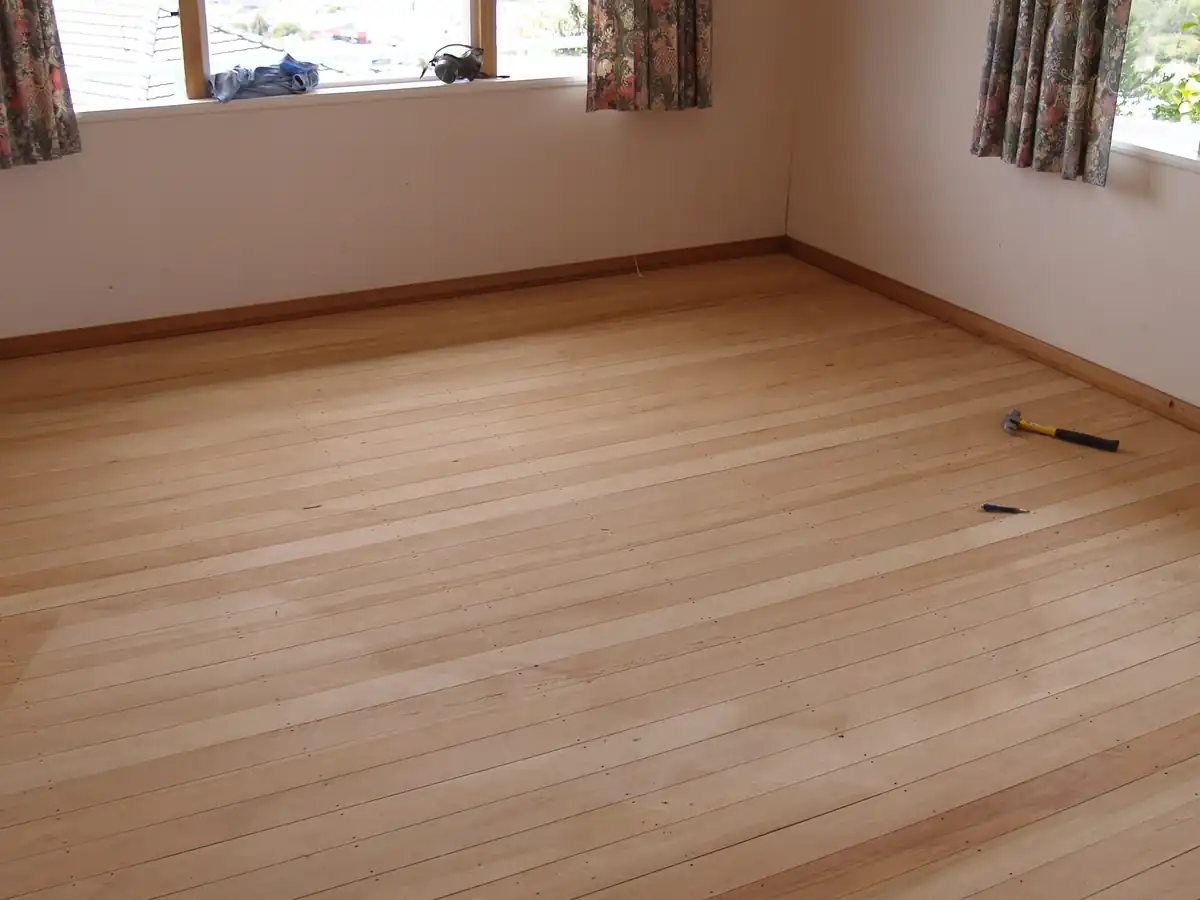

Older houses around Lake Pupuke and the beach
The stand-alone houses on the streets between the lake and the beach are where most Takapuna borer findings come from. Homes built before 1952 used untreated framing and native timber floors, and many have been renovated in stages since, so original and new timber sit side by side.
The inspector spends most time on the roof space and subfloor, then on floors and weatherboards. Rimu and kahikatea sapwood is the common house borer's usual target, so old holes along board edges are expected; what matters is fresh dust, clean holes and any softening. Board-level detail is in borer in floorboards, and the cladding side is covered by borer in weatherboards.
Basalt, sandstone and a low, flat suburb
Lake Pupuke is a volcanic crater that erupted about 193,000 years ago, and its lava flowed to the coast, where it encased tree trunks that are now the Takapuna fossil forest. Away from the lava, the bedrock is Waitemata sandstone. The suburb is low: its highest point is only 34 m above sea level.
Flat, low sites can drain slowly after heavy rain, particularly where paving and gardens have raised the ground around a house and covered its vents. The inspection notes ventilation and ground moisture under suspended floors, because humid subfloors help the common house borer and damp timber invites rot. Where piles or bearers are affected, the piles and subfloor page explains the repair rules.
Access in apartments, units and gated blocks
Apartment and unit inspections often depend on people other than the owner. Roof spaces above a top-floor unit may be common property, plant rooms and subfloors may be locked by the building manager, and some buildings require contractors to sign in or book a time.
Before booking, check with the body corporate or building manager what can be opened and who holds the keys. If you are a buyer, the agent can usually arrange this with the vendor. Anything that cannot be opened on the day is listed in the findings, so you can follow it up with the body corporate rather than assume it is clear.
For neighbouring older housing, see Northcote across Shoal Bay and Devonport to the south.
Every other suburb gets the same visit and the same report format; the overview is under borer inspection Auckland.
Asked before booking
Do I need a borer inspection for a new Takapuna apartment?
Usually not for the structure, which is modern and treated. It can still be worth checking timber floors, internal joinery or furniture if you see fresh holes or fine dust. For older low-rise flats with timber roofs and floors, an inspection is as useful as for a house.
If borer is found in shared framing, who pays?
In a unit-titled building, repair and maintenance of common property and shared building elements is generally the body corporate's duty under the Unit Titles Act 2010, funded through levies. Check the body corporate rules and your title, and raise it with the committee.
What should I look for in body corporate records before buying?
Read the long-term maintenance plan, recent meeting minutes and the disclosure statement for any mention of borer, timber repairs, treatment or moisture problems. If borer has been discussed but not resolved, ask what was found, where, and whether a repair is planned and budgeted.
Guides for Takapuna owners and buyers
- Body corporate borer inspectionsBorer in unit-titled buildings: common property, building elements, long-term maintenance plans and committee reports
- Borer in furnitureChecking antiques and second-hand pieces, treating them without harming the finish, and keeping borer out of the house
- Pre-purchase borer inspectionA borer check timed to your building condition, read alongside the building report
- Piles and subfloorBorer in piles, bearers and joists, damp subfloors, rot versus borer, and when replacement needs a consent
Sources
- Wikipedia: Takapuna (history, Lake Pupuke, geology)
- Te Tūāpapa Kura Kāinga (HUD): the Unit Titles Act 2010
- Unit Titles Act 2010 (legislation.govt.nz)
- NZ Herald, February 2025: Takapuna intensifies with 669 apartments
- NZ Farm Forestry Association: household borer, leaflet 32
- Standards New Zealand: key historical dates for timber treatment regimes
Book a Takapuna borer inspection
The inspection is $285 + GST, credited against treatment done through the same operator. Treatment ranges sit on the cost page.