Remuera
Borer inspections in Remuera
Remuera's best-known houses are large, which makes a borer check here a longer job than in a cottage suburb. Size, slope and several decades of additions all shape how a pre-purchase borer inspection is planned.
In Remuera the inspection covers large roof spaces, subfloors that change height down a slope, extensive cladding and timber floors, and any later additions. The inspector identifies the beetle, judges activity, lists the timbers involved and flags damp or weakened members, recording any part that could not be reached.
Remuera inspections are charged at $285 + GST. The fee is credited against the treatment if you go ahead with the recommended work through the same operator. The inspector travels to the house; there is no shopfront.
Why are Remuera inspections often longer?
Many Remuera houses are big, with two storeys, several roof planes and more than one subfloor zone. Each roof space has to be entered separately, and a house built down a slope may have a deep subfloor at one end and a crawl space at the other. Allow more time than you would for a villa in a cottage suburb.
Large sections were the pattern from early on, partly because owners kept horses and laid out gardens. That means garages, studios, sleep-outs and pool houses are common, and each may have its own timber. If you want outbuildings or furniture included, say so when booking so the visit is long enough.
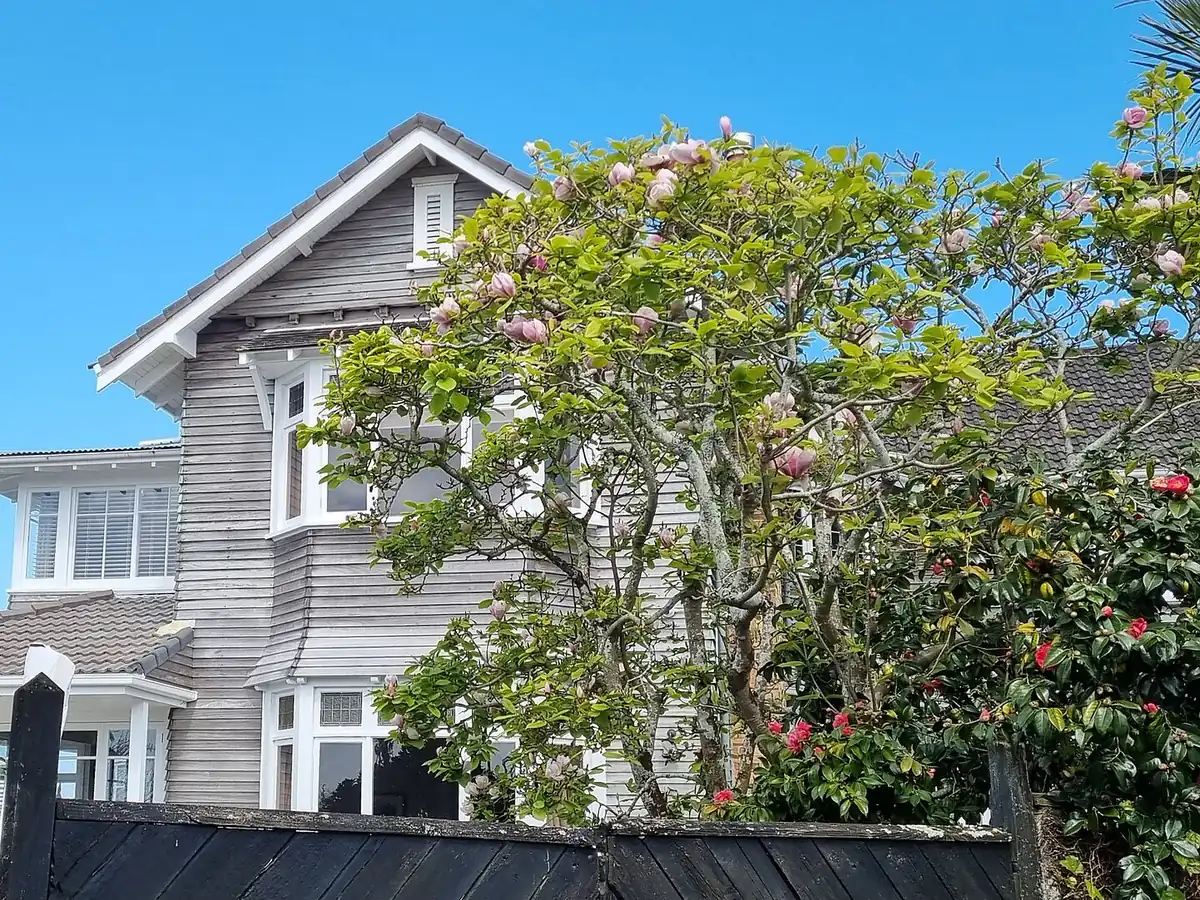

From Remuera Road farms to Arts and Crafts streets
Remuera Road began as a Māori walking track across the isthmus, and the suburb's name comes from a pā on Ōhinerau (Mount Hobson). In 1851 Henry Kemp bought 700 acres; houses rather than farmhouses appeared in numbers from the 1860s, and the Remuera Road Board was formed in 1863.
The electric tram reached Remuera Road in 1902 and the population doubled between 1901 and 1911. Remuera joined Auckland City in 1915. The 1920s brought many large houses in the Arts and Crafts style, some by architects such as Gerald Jones and Roy Binney, and Arney Road has an unusual concentration of heritage-listed homes. Smaller sections followed from the 1960s, which is where units and infill enter the picture.
Timber eras inside one Remuera property
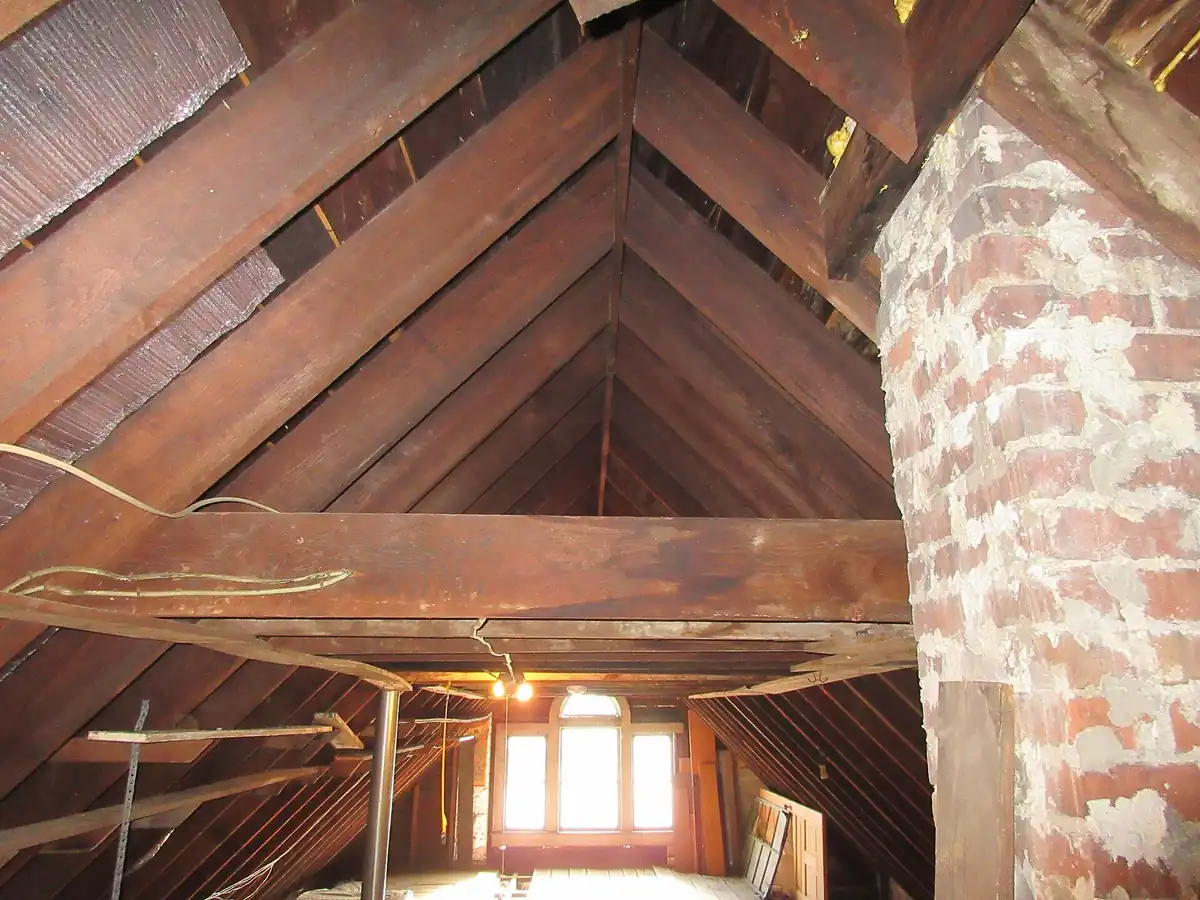
A long-held Remuera house can carry timber from three treatment eras. The original Edwardian or 1920s structure predates boron, which began in 1952. Mid-century additions may or may not be treated. Work consented between the mid-1990s and 2004 may be untreated kiln-dried radiata pine, a timber the common house borer attacks.

-
Original house
Native timber framing and floors, untreated. Old exit holes are common; the question is activity.
-
Post-war additions
Mixed: check what was used rather than assuming.
-
Late-1990s to 2004 work
Untreated kiln-dried framing was acceptable from 1995 and stopped being acceptable for new consents from 1 April 2004; some builds finished on that basis until 2005.
The library guide to house borer by build year explains why the framing decides so much.
Dating additions with Remuera's house histories
Big Remuera houses have often been extended several times, and knowing when helps sort treated timber from untreated. Remuera Heritage researches local houses through its century-old homes project, and council property files record consented work. Either can date a wing or a sleep-out before the inspector arrives.
Bring what you have to the visit: plans, a property file, renovation invoices, or simply what the vendor has said. The inspector still reads the timber itself, because records can be incomplete, but a known date for an addition tells you whether it sits inside the 1995 to 2004 untreated framing window or outside it.
Slopes toward Hobson Bay and subfloor moisture
The suburb falls from the Remuera Road ridge toward Hobson Bay and the Waitematā Harbour, and inland toward basins like Waiatarua, which floods seasonally. Houses that step down these slopes often have tall, open subfloors on the downhill side, which are easy to inspect, and a tight, damp uphill end that is not.
Water running off the slope toward the house is the usual reason a subfloor stays damp. The inspector records vents, ground cover, drainage and the moisture of bearers. Damp heartwood is where the native two-toothed longhorn does its damage, and huhu in a subfloor almost always means a leak or wet ground. The guide to huhu in the house covers the moisture sources.
Arts and Crafts detailing and where it weathers
Remuera's 1920s Arts and Crafts houses often carry more exposed timber detail than a plain villa: shingled gables, deep eaves, exposed rafter ends, bracketed porches and timber casements. Detail like this holds water at joints and end grain, paint fails there first, and the bare timber is then open to egg-laying beetles.
The inspector looks closely at gable shingles, barge boards, rafter ends and sills, from the roof space or a ladder where that is safe, and notes any soft timber for a builder. Replacing a borer-damaged shingle course or bracket in matching timber keeps a character house in line with the overlay's preference for traditional materials, and treating the bare backs before refitting helps the new work last.
Special character overlay in Remuera
The Auckland Unitary Plan lists Remuera in its residential special character areas, under both an Isthmus B Remuera area and an Isthmus C Remuera and Epsom area. Repair is permitted there; demolition and external alterations need resource consent. Some individual houses are also on the council's historic heritage schedule.
If borer has damaged weatherboards, shingles or joinery on a character house, replacing them in matching timber is generally treated as repair. A change of material or form on a visible elevation needs consent, and the council's criteria point toward traditional materials such as timber weatherboards and timber joinery. Plan Change 120 is reviewing the overlay, so check the current maps with Auckland Council for the specific address.
Questions Remuera buyers tend to ask
With large, valuable houses, buyers usually want the borer finding expressed as scope: which rooms or members, whether a builder is needed, and how much treatment would cover. That is what the written findings provide, area by area, so the numbers can be checked against the borer cost ranges.
Schedule the check inside your due-diligence period, or before auction day if the house is going to auction, since auction bids are unconditional. Next door, the Parnell page covers older and smaller heritage houses, and Epsom covers the bungalow streets to the south-west.
Every other suburb gets the same visit and the same report format; the overview is under borer inspection Auckland.
Asked before booking
How long does a borer inspection take on a large Remuera house?
Longer than on a cottage, because there may be several roof spaces, a split-level subfloor and outbuildings. Give the size of the house and anything extra you want covered when you book, and the inspector will plan the visit.
My house was built in 2001. Can it have borer?
It can. Houses consented between the mid-1990s and early 2004 may contain untreated kiln-dried framing, which the common house borer can attack. An inspection checks what the framing is and whether there are any signs.
Should outbuildings be included?
If they are timber and part of the purchase, yes. Garages, studios and sleep-outs are often built with different timber from the house and can be the first place borer turns up.
Can old plans or a property file replace an inspection?
No. Plans and invoices help date the timber, but they cannot show whether borer is active now or how sound a joist is. They make the visit quicker and the findings sharper rather than making it unnecessary.
For Remuera owners and buyers
- House borer by build yearWhich New Zealand houses carry house borer, era by era, and why the framing timber decides it
- Borer damage repairWhen borer damage needs a builder, which repairs are exempt from consent, re-piling and the order of work
- Borer in furnitureChecking antiques and second-hand pieces, treating them without harming the finish, and keeping borer out of the house
Sources
- Wikipedia: Remuera
- Remuera Heritage: Arts and Crafts movement in Remuera
- Unitary Plan D18: activity table and assessment criteria
- Plan Change 120 overview, The Spinoff, 15 January 2026
- Standards NZ timber treatment regimes timeline
- NZ Farm Forestry Association: huhu beetle
- Settled.govt.nz: buying by auction
Book a borer inspection in Remuera
The inspection is $285 + GST, credited against treatment done through the same operator. Treatment ranges sit on the cost page.