Epsom, between the cones
Borer inspections in Epsom
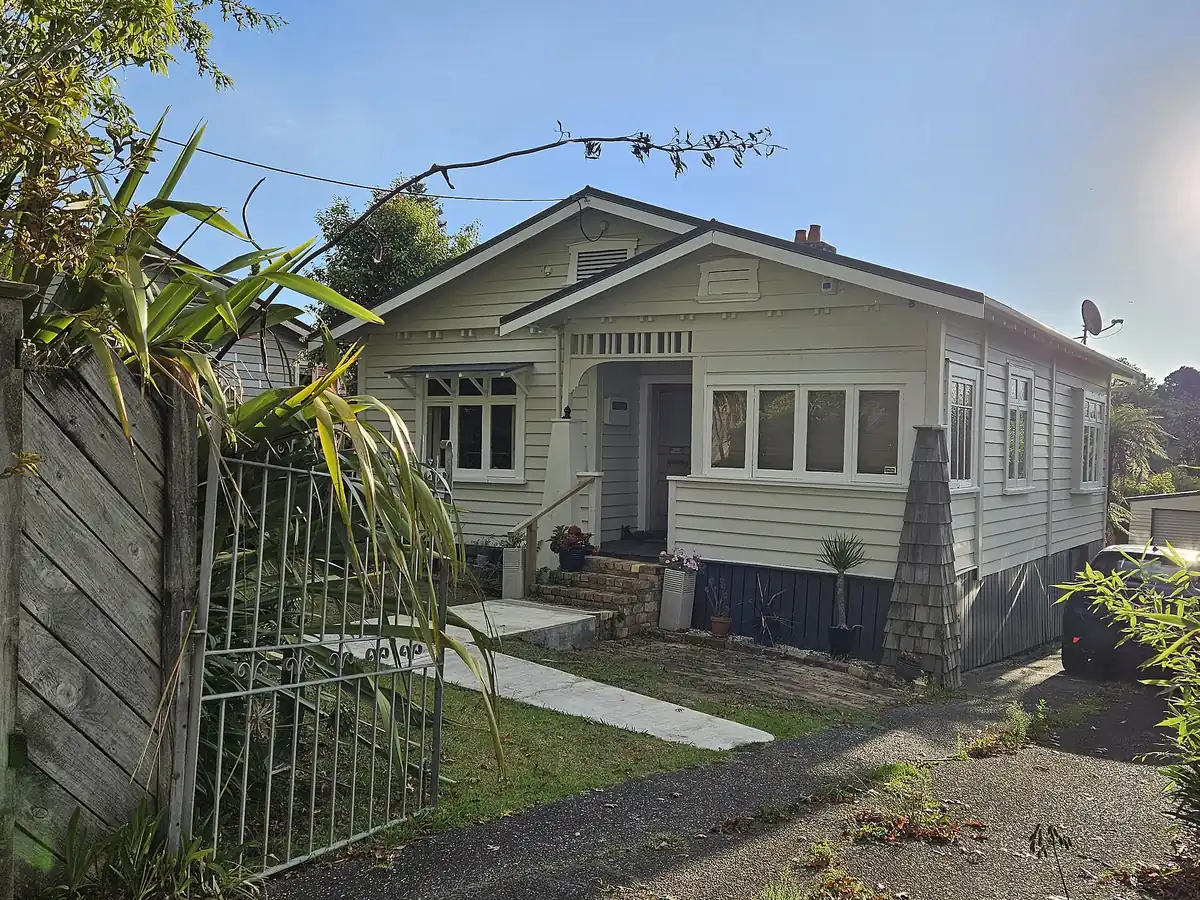
Most of Epsom changed from farmland to suburb between 1900 and 1930, and the decade from 1920 left it full of California bungalows. For a buyer, a pre-purchase borer inspection on one of those houses is mainly about the subfloor and the rimu.
An Epsom borer inspection checks the subfloor, roof space, exterior timber and floors of what is usually a bungalow or an earlier villa, all built before boron treatment. The inspector identifies the beetle, decides whether it is active, lists affected members and flags damp or weakened timber. The visit happens at the house, wherever it is in all of Auckland.
The inspection is $285 + GST. The fee is credited against the treatment if you go ahead with the recommended work through the same operator.
Farmland first, bungalows later
Epsom was among New Zealand's earliest European farming districts: the Crown bought the land in June 1841 and the first farms were auctioned that September. Wealthy families built country houses in the 1860s, but suburban growth waited for the electric tram in 1903, with shopping villages forming around the stops.
Suburbanisation was gradual through the 1900s and 1910s, and the last farms disappeared by the early 1930s. The Epsom and Eden District Historical Society describes 1920 to 1930 as the bungalow's golden decade, when builders and developers worked from published plan books. Larger houses of the same years include Stockbroker Tudor styles, and earlier villas line parts of Manukau Road.
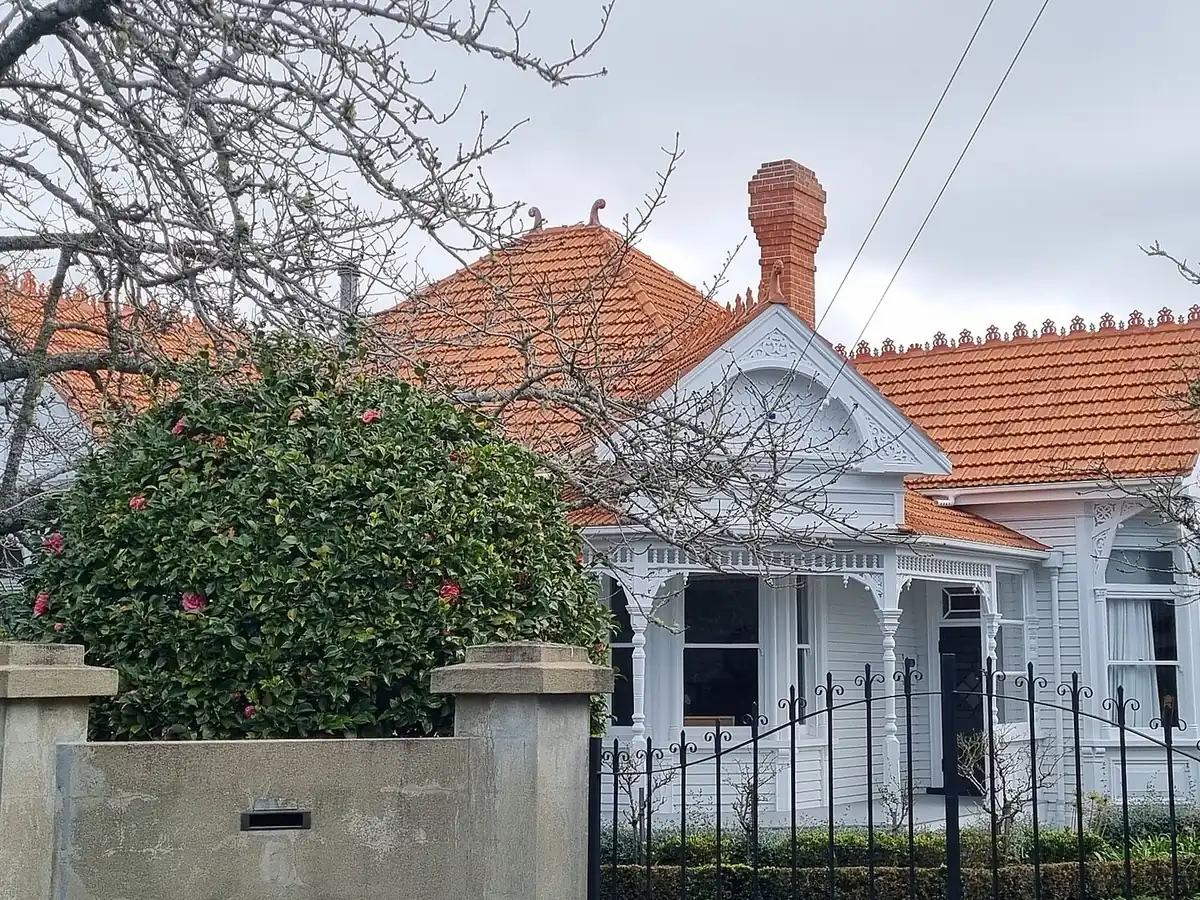

Kūmara gardens, a windmill and the Almorah rock forest
Epsom's volcanic soil was farmed long before houses arrived. Māori grew kūmara in the Epsom valley, settlers planted wheat, oats and barley in the 1840s, a windmill stood at Windmill Road from about 1843, and Chinese market gardeners leased land from the 1890s. The scoria Almorah rock forest shrank to about 25 hectares.
That long farming phase is why Epsom's housing came late and fairly all at once. Between 1900 and 1930 the farms gave way to streets, so many houses on one block share an era, a plan book and similar timber. If one bungalow in a row has a borer history, its neighbours were built from comparable material, though moisture and upkeep make each house different.
Where borer shows in a California bungalow
Bungalows put most of their untreated timber in the subfloor and in rimu floors, with roof framing above wide, low-pitched gables. The common house borer works in sapwood, so holes often follow board edges and the sapwood side of joists. Built-in joinery, such as window seats and dressers, is worth a look too.

- Subfloor: piles, bearers and joists, and whether the ground beneath is dry and ventilated.
- Floors: sanded rimu can hide holes under the finish, and hardwood boards may carry powderpost beetle.
- Gable ends and eaves: exposed timber where paint has failed, often overlooked from the ground.
- Later work: extensions consented between the mid-1990s and 2004 may contain untreated kiln-dried framing.
The page on borer in floorboards covers finished and bare boards in detail.
Living between Maungawhau and Maungakiekie
Epsom lies among volcanic cones: Maungawhau (Mount Eden), Maungakiekie (One Tree Hill) and Te Kōpuke (Mount St John), with lava caves formed by the eruptions. For a borer inspection the volcanic setting matters mainly through subfloor height and drainage, which vary from street to street.
Some sections slope enough for a tall subfloor at the back; others sit close to the ground. The inspector notes ventilation, ground moisture and any water directed under the house, because damp subfloor timber invites the native two-toothed longhorn and keeps the common house borer developing. Huhu under a house is a sign of wet wood, not a separate pest problem. The guide to piles and subfloor explains the checks.
Epsom in the special character overlay
The Auckland Unitary Plan names residential special character areas covering parts of Epsom, including an Isthmus B Epsom and Greenlane area and an Isthmus C Remuera and Epsom area. Within them, repair is permitted, while external alterations and substantial demolition need resource consent.
So replacing borer-damaged gable boards, weatherboards or a porch post in matching timber is repair, but a new cladding material or a changed street front is assessed. The council's criteria favour traditional materials such as timber weatherboards, shingles and timber joinery. With Plan Change 120 reviewing boundaries, check current maps for the address before planning work.
Inspecting before you renovate a bungalow
If you plan to lift floors, open walls or re-roof an Epsom bungalow, an inspection beforehand is worth having. Renovation is the one time large areas of untreated framing are bare and reachable, and a residual surface treatment works on bare timber, so the findings can be acted on while the timber is exposed.
Give your builder the findings before demolition starts. Members flagged as weakened can be replaced in the same job, and sound members with old holes can be treated before linings go back. New framing will be treated timber, so the remaining risk sits mostly with the original rimu that stays. The borer damage repair page explains when replacing framing needs a consent.
Timing a borer check around an Epsom purchase
If the Epsom house you want is going to auction, remember that a winning auction bid is unconditional, so the borer check needs to happen beforehand. With a conditional agreement, book as soon as it is signed and give the inspector your due-diligence date.
Bungalows rarely fail on borer alone, but a weak bearer line or a damp subfloor can add a builder's bill. The guide to borer in a building report explains what the usual phrases mean, and treating live borer covers what happens if the answer is yes.
What the findings will tell an Epsom buyer
Findings are written up area by area: species, activity, timbers, moisture and structural flag, then one of three outcomes for each part of the house. You can read them next to the building report and use them to price a treatment, ask the vendor a question or decide to walk away.
Bungalows and villas share a lot with their neighbours: the Mt Eden page covers villas and flats closer to the city, and Remuera the larger houses to the east.
Every other suburb gets the same visit and the same report format; the overview is under a borer inspection for an Auckland property.
Asked before booking
Do 1920s bungalows in Epsom usually have borer?
Many have old exit holes, because their timber was untreated: boron treatment began in 1952. Whether a particular bungalow has live borer depends on its timber and moisture, which the inspection establishes.
Is the volcanic ground in Epsom a problem for borer?
Not directly. It affects how high and how dry the subfloor is. Damp subfloors, wherever they are, are what encourage borer, so drainage and ventilation are part of the findings.
Can I order a borer check without a full building inspection?
Yes. The borer inspection is a separate specialist check. Many buyers book both, because a building report covers the whole house while the borer check spends its time on the timber.
Should borer be treated before or after a renovation?
Where possible, during it. Bare timber is easiest to treat while floors or linings are open, and weakened members can be replaced at the same time. Treating first and renovating later risks covering timber that still needs attention.
For Epsom bungalows
- Treating live borerWhat treatment involves after a live borer finding: bare and finished timber, timing, moisture and follow-up
- Borer in floorboardsHouse borer and powderpost beetle in timber floors, finished versus bare boards, and when boards need replacing
- Borer in a building reportWhat the common borer phrases in a pre-purchase report can and cannot tell you
Sources
- Wikipedia: Epsom, New Zealand
- Epsom and Eden District Historical Society: Prospect 2009 vol. 8 (California bungalow)
- D18 Special Character Areas Overlay, Auckland Council
- Plan Change 120, explained by The Spinoff
- Settled.govt.nz: buying by auction
- NZ Farm Forestry Association: household borer
- NZ Farm Forestry Association: huhu beetle
- Treatment regime history, Standards New Zealand
Book a borer inspection in Epsom
The inspection is $285 + GST, credited against treatment done through the same operator. Treatment ranges sit on the cost page.