Parnell
Borer inspections in Parnell
Parnell was being sold as a village within a year of Auckland's founding, and some of its timber houses are among the oldest in the city. A borer inspection in a house that old is as much about what can be repaired as what can be treated.
A Parnell inspection covers the subfloor, roof space, exterior timber and floors of houses that range from early colonial cottages to 1920s bay villas. The inspector identifies the beetle, judges activity, lists the members affected and flags anything soft, keeping in mind the heritage rules that govern how timber can be replaced. The inspector comes to the property; anywhere in all of Auckland is covered.
The inspection costs $285 + GST. The fee is credited against the treatment if you go ahead with the recommended work through the same operator.
Auckland's oldest suburb, built in layers
On 1 September 1841 Robert Tod bought three acres, divided them into 36 sections and advertised the Village of Parnell days later. Judges Bay is said to take its name from the houses Judge William Martin and William Swainson built there the same year. Hulme Court followed in 1843 and the scoria Kinder House in 1857.
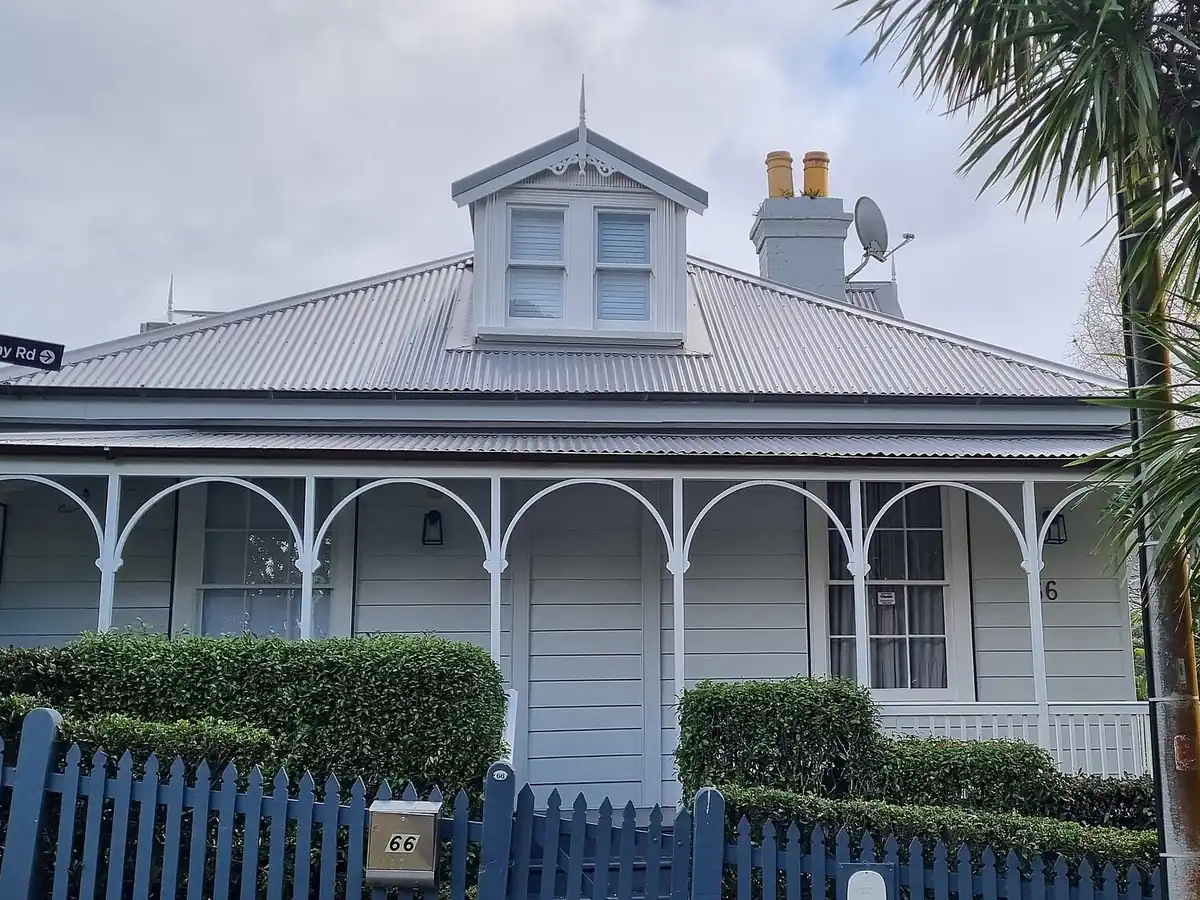
Later building came in recognisable layers: Ewelme Cottage in kauri in the 1860s, Victorian hotels and houses, Edwardian town houses on lower Parnell Road, and 1920s bay villas. Parnell joined Auckland City in 1913, was run-down by the early 1970s, and was revived as a shopping village. Across all of it, the timber is untreated: boron treatment was not introduced until 1952.

Taurarua, Pukekawa and the old shoreline
Before European settlement Parnell was held by Ngāti Whātua-o-Ōrākei, who took it from the Waiōhua in the 1740s. Taurarua pā stood at Point Resolution, and the Domain was known as Pukekawa. The Crown acquired the land in a 3,000-acre transaction in 1840, and Tod's village sections followed the next year.
The shoreline itself has moved since. Beach Road follows reclaimed land along Mechanics Bay and Official Bay, and St Georges Bay has disappeared altogether. Houses near the old shore and at the foot of slopes can sit on wetter ground than those along the ridge, and the inspector looks for the signs: damp soil under the floor, marks left by standing water, rot at pile tops, and huhu in timber that has stayed wet.
Scheduled heritage places: repairs have to match
Parnell keeps many heritage buildings, Kinder House, Ewelme Cottage and St Stephen's Chapel among them. For a place on the council's historic heritage schedule, the Unitary Plan permits maintenance and repair only if it uses the same materials as the original fabric or the closest equivalent, and does not change design, texture or form. Other modifications are restricted discretionary.
For borer, that means a damaged kauri weatherboard is replaced with matching timber of the same profile, a rotten verandah post with a post of the same section, and surfaces are not water-blasted or sand-blasted while preparing for treatment. Treatment products have to suit the finish, which on heritage joinery usually means injecting flight holes rather than stripping timber. Ask the council about the place's schedule entry before booking a builder. The borer damage repair page covers the building consent side, which is a separate question from heritage rules.

Character overlay for the rest of Parnell
Houses that are not individually scheduled may still sit in the special character overlay: the Unitary Plan names an Isthmus B residential area for Parnell and a business area for the Parnell shops. Restoration and repair is permitted there; external alterations and substantial demolition need resource consent.
Replacing a few borer-damaged boards in matching timber is generally repair. Recladding in a different material, or rebuilding a verandah to a new design, is an alteration the council assesses against the area's character, with timber weatherboards and joinery treated as generally appropriate. Overlay maps may change through Plan Change 120, so confirm the current position for the address.
Steep sites and how the inspector gets in
Parnell is hilly: Parnell Rise and Parnell Road climb from the reclaimed shore at Mechanics Bay, and the land falls away again toward Judges Bay, Hobson Bay and the Domain. Houses on these slopes often have a tall subfloor on one side and a tight crawl on the other, and some rear sites are reached by steps.
Let the inspector know about steps, a shared driveway or a rear site when booking, and where to park; the main road is busy. Subfloor hatches on older houses can be small or hidden behind later decking. Any area that is unsafe or inaccessible is listed as not inspected. The guide to piles and subfloor explains what is looked for underneath.
Which beetles show up in very old timber?
The common house borer is the usual finding, in sapwood edges of native and early pine timber. Old Parnell houses with damp subfloors can also carry the native two-toothed longhorn, which tunnels through heartwood. Hardwood floors or joinery in tawa, rewarewa or imported oak may show powderpost beetle instead.
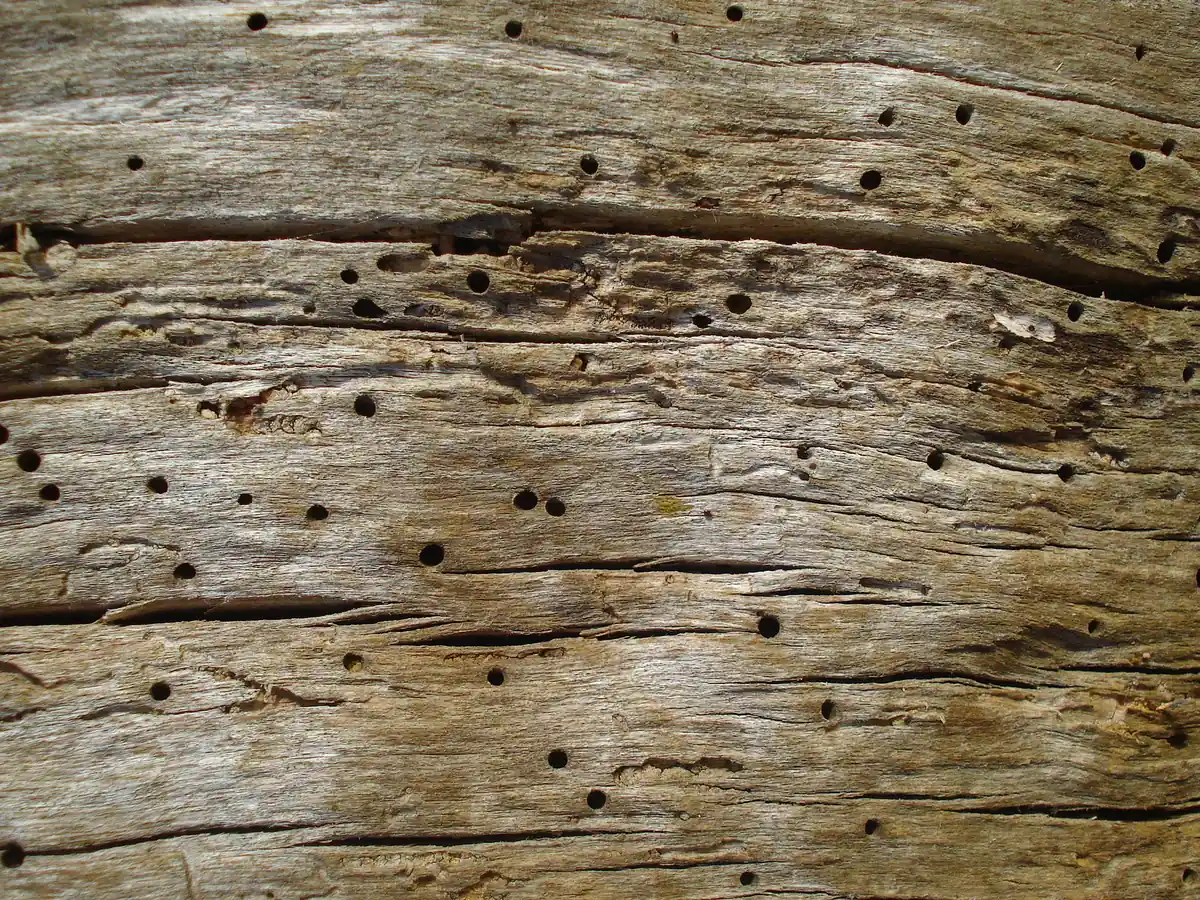
Old exit holes in a house this age are expected, and many are historic. What matters is fresh, pale-edged holes and dust that comes back after cleaning, especially between November and January when the common house borer emerges. Large oval holes mean huhu and point straight to wet timber. The guide to flight season sets out when each beetle emerges.
Timber shops and offices on Parnell Road
Many of Parnell's shops and offices occupy restored timber villas and Victorian buildings. Borer in a commercial timber building is checked the same way as in a house, but access usually depends on the landlord, and roof and subfloor spaces may run under several tenancies at once.
If you lease or own one of these buildings, arrange access to all the connected spaces, not only your own unit, and tell the inspector your trading hours so the visit disrupts as little as possible. Findings are written so a landlord, tenant or body corporate can each see which members are affected and who needs to act. The same heritage and character rules apply to the building's street face.
Antiques and furniture in Parnell houses
Old Parnell homes often hold old furniture, and furniture moves borer between houses. If you are bringing pieces into a newly bought house, or already have a piece shedding dust, ask for it to be looked at during the same visit so it can be listed in the findings with the house.
Treating furniture is different from treating framing, because the finish has to survive. The page on borer in furniture covers how pieces are checked and treated. For the larger Edwardian and 1920s houses to the east, see Remuera.
Every other suburb gets the same visit and the same report format; the overview is under Lignum Timber Inspections.
Asked before booking
Does a scheduled heritage house need consent to treat borer?
Treating timber is not usually the issue; replacing or altering fabric is. Repairs must use the same or closest equivalent materials and keep the design and texture. Methods like water-blasting are not permitted, so check the schedule entry with Auckland Council before work.
Is it worth inspecting a house that has obviously had borer for a century?
Yes, because the point is activity and strength, not history. A Parnell house can carry decades of old holes with nothing emerging, or one damp corner where the longhorn is still working.
Can furniture be checked at the same visit?
Yes. Mention the pieces when booking so the visit allows time, and they are recorded in the findings alongside the house.
Why would a house near the old Parnell shoreline be damper?
Reclaimed and low-lying land near the former bays can hold more water than the ridge. A damp subfloor speeds up the common house borer and suits the native longhorn and huhu, so ground moisture is recorded alongside every finding.
For Parnell houses
- Borer damage repairWhen borer damage needs a builder, which repairs are exempt from consent, re-piling and the order of work
- Borer in furnitureChecking antiques and second-hand pieces, treating them without harming the finish, and keeping borer out of the house
- Borer bombs and spraysWhat foggers, surface sprays, injectors and borate products each reach, and when DIY is enough
Sources
- Wikipedia: Parnell, New Zealand
- Auckland Unitary Plan D17 Historic Heritage Overlay (operative)
- Auckland Unitary Plan D18 overlay text
- The Spinoff: housing reform and Plan Change 120
- NZ Farm Forestry Association: household borer
- NZ Farm Forestry Association: powder-post beetle
- Standards New Zealand: boron and untreated framing dates
Book a borer inspection in Parnell
The inspection is $285 + GST, credited against treatment done through the same operator. Treatment ranges sit on the cost page.