Identification
Termite or borer: telling them apart in a New Zealand house
Almost all insect damage in New Zealand house timber is borer. Termites are a different kind of insect with different signs, and the exotic species are a biosecurity matter handled by the Ministry for Primary Industries, not a routine pest job. Knowing the difference tells you whether to book a borer inspection or to photograph what you found and call MPI.
First published · updated
Borer are beetles: their larvae tunnel inside timber and leave through round or oval exit holes, with fine bore dust below. Termites are social insects: signs include piles of tiny pellets of about 1 mm under pin-sized holes, discarded wings, and mud-like material on surfaces for subterranean species. Suspected exotic termites should be photographed and reported to MPI on 0800 80 99 66.
What is the difference between termites and borer?
Borer is the larval stage of wood-boring beetles such as the common house borer, which spend years inside a piece of timber and leave as adults through an exit hole. Termites live in colonies, with workers feeding on wood and winged adults that fly to start new colonies. Different biology leaves different evidence, which is how the two are told apart.

| Borer (wood-boring beetles) | Termites | |
|---|---|---|
| Insect | Beetle larvae, alone in the timber | Colony insects with workers and winged adults |
| Holes | Round about 1 to 2 mm (common borer) or oval about 3 to 7 mm (longhorn) | Tiny push-out holes, with pellets piled beneath |
| Debris | Fine bore dust in and below holes | Pellets about 1 mm long, piled up |
| Other signs | Adult beetles on sills in season | Discarded wings; mudding for subterranean species |
| Who to call | A borer inspection | MPI, 0800 80 99 66 |
What do termite signs look like?
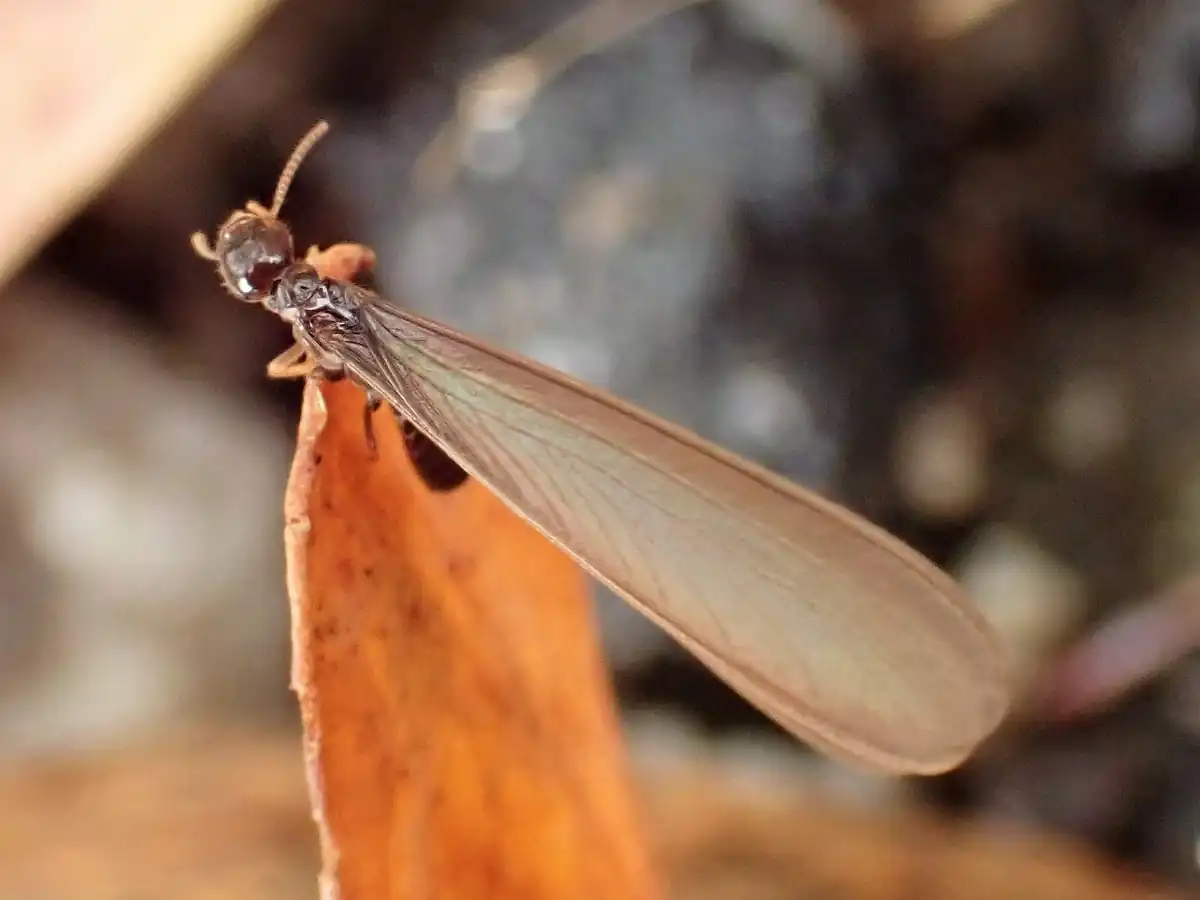
MPI lists three main signs: small piles of droppings, discarded wings, and the winged termites themselves. The droppings are hard pellets about 1 mm long, often heaped below tiny holes through which termites push them out of the wood. Subterranean termites can also leave mud-like material on surfaces, which MPI calls mudding.
Wings are a useful clue. After a swarm, winged termites shed their wings, and small heaps of identical, papery wings on a sill or near a light are not something borer leaves behind. A beetle keeps its wing cases, so finding loose wings in quantity points away from borer.
How do borer signs differ?
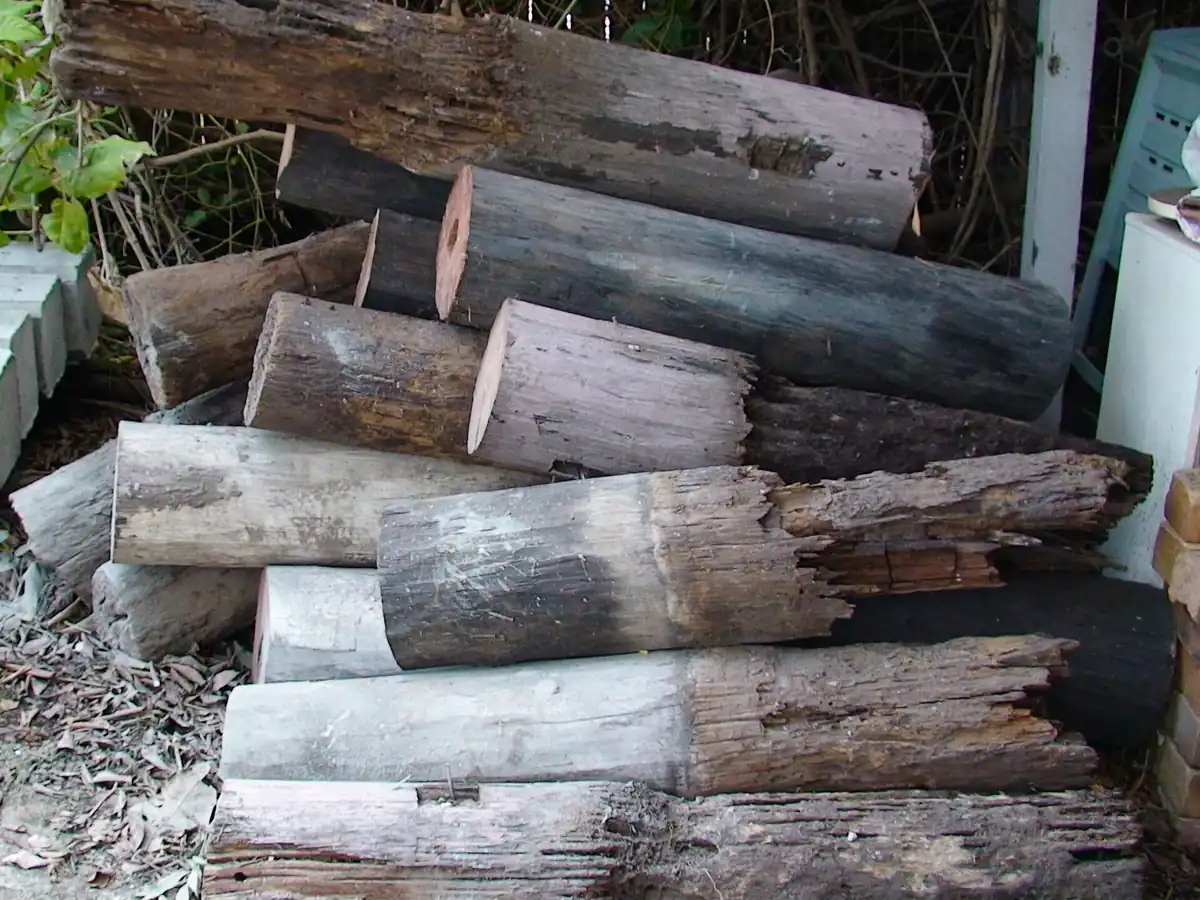
Borer leaves exit holes with clean, regular outlines and bore dust that is fine and powdery or slightly gritty, not heaps of distinct hard pellets. The common house borer's holes are round and about 1 to 2 mm across, the native longhorn's are oval at about 3 to 7 mm, and huhu holes are large ovals of 10 to 20 mm in damp timber.
Adult borer beetles are small, brown and hard-shelled, and they turn up on window sills in late spring and summer for the common house borer, and in autumn for the longhorn. The flight season calendar covers each species, and the guides to the two-toothed longhorn and powderpost beetle cover the less common borers.

Does New Zealand have termites?
Yes, three native species, which MPI says are not considered destructive. The concern is exotic termites, which MPI classes as an unwanted pest because they can damage treated timber, hardwoods and softwoods. Detections have been occasional and most recent ones have been on boats, the latest in February 2026, according to MPI's response page.
That rarity is the reason for a calm approach. A homeowner who finds insect damage in floorboards is very likely looking at borer. The point of knowing termite signs is to recognise the unusual case quickly, not to treat every hole as a possible termite.
What happened with termites in Auckland in 2021?
In 2021, Australian subterranean termites, Coptotermes acinaciformis, were found in some Auckland houses. MPI reports that the affected houses were treated and that monitoring continues. It is the clearest local example of why exotic termites are handled as a biosecurity response rather than as ordinary pest control.
The find does not mean termites are established in Auckland houses generally. It does mean that unusual damage with pellets, wings or mudding should be reported rather than sprayed, so that MPI can confirm the species and decide what needs to happen.
What should you do if you suspect termites?
Photograph what you have found, including any pellets, wings, insects and damaged timber, and report it to MPI's exotic pest and disease hotline on 0800 80 99 66 or through MPI's online form. MPI asks for photographs and reports of suspected termites. It is sensible not to spray, scrape or dispose of the material before MPI has seen the photos, because it may be needed for identification.
-
Photograph
Pellets, wings, insects and damage, close and wide, with something for scale.
-
Leave it
Do not spray, sweep up or remove timber yet.
-
Report
Call 0800 80 99 66 or use MPI's online reporting form.
-
Follow advice
MPI decides whether a response is needed.
A borer inspection is not a termite inspection and does not replace MPI's role. If an inspector sees signs that look like termites, the right step is the same: photographs and a report to MPI.
Can treated timber stop termites the way it resists borer?
Not reliably. H1.2 boron-treated framing is treated to resist borer, and the general use of treated timber has greatly reduced common house borer in New Zealand. MPI notes, however, that exotic termites can damage treated timber as well as hardwoods and softwoods. That is one reason the response to them is national rather than left to individual owners.
For a buyer, this is an identification question rather than a reason to worry about every house. If a building report or a borer finding mentions anything unusual, such as pellets or wings, ask about it directly. The guide to borer findings explains what a normal borer report contains.
When the reading turns into a decision about one real house, the fee, the report and the booking steps are set out under Lignum Timber Inspections.
Asked about this
How can I tell termite damage from borer damage?
Look at the debris and the holes. Borer leaves round or oval exit holes with fine bore dust. Termites leave tiny holes with piles of hard pellets about 1 mm long beneath them, and often discarded wings nearby; subterranean species can leave mudding. If you see pellets or wings, photograph them and contact MPI.
Who do I call about termites in NZ?
MPI's exotic pest and disease hotline, 0800 80 99 66, or MPI's online reporting form. Exotic termites are an unwanted pest and are handled as a biosecurity matter.
Are there termites in Auckland?
Australian subterranean termites were found in some Auckland houses in 2021; MPI treated the houses and monitoring continues. New Zealand also has three native termite species that are not considered destructive. Most insect damage in Auckland house timber is borer.
Does a borer inspection check for termites?
A borer inspection is about borer. If something that looks like termite activity is seen, the step is to photograph it and report it to MPI, which is the agency that confirms and responds to exotic termites.
Identify the insect
- Borer inspectionWhat a borer inspection records, part by part, and what it costs
- House borer by build yearWhich New Zealand houses carry house borer, era by era, and why the framing timber decides it
- Flight seasonThe months each borer flies in New Zealand, and what that means for treatment and for buyers
- Two-toothed longhornThe native longhorn that tunnels through heartwood: oval holes, autumn emergence, damp subfloors
Sources
- Ministry for Primary Industries: exotic termites, treating and monitoring infestations
- Ministry for Primary Industries: exotic termites
- NZ Farm Forestry Association: household borer, Anobium punctatum
- NZ Farm Forestry Association: two-toothed longhorn, Ambeodontus tristis
- NZ Farm Forestry Association: huhu beetle
- BRANZ: H1.2 framing timber treatment
Book a borer inspection
The inspection is $285 + GST, credited against treatment done through the same operator. Treatment ranges sit on the cost page.