North Shore · Kaipātiki
Borer inspection in Northcote
Northcote is really two places: the old ferry suburb on Northcote Point and the post-war centre that grew up beside the motorway. A borer inspection reads them differently.
On Northcote Point the main question is untreated native timber in villas, many dating from the 1880s. In Northcote Central it is the 1950s state houses and the timber added to them since. New homes from the current renewal use treated framing and rarely need more than a check of the old house next door.
Northcote is part of the Auckland-wide service, at $285 + GST for the inspection.
The Point and the centre: two Northcotes
Northcote Point is the peninsula at the northern end of the Harbour Bridge, settled from the 1840s and served by ferries for a century. Northcote Central, to the north, filled in after the bridge opened. The two parts were built from different timber, decades apart, and an inspection treats them almost as separate suburbs.
Between them sit the 2023 census figures: around 4,100 dwellings across Northcote, with the Point holding the largest share. If you are buying here, knowing which Northcote the house belongs to is the first step in guessing what its framing is made of.
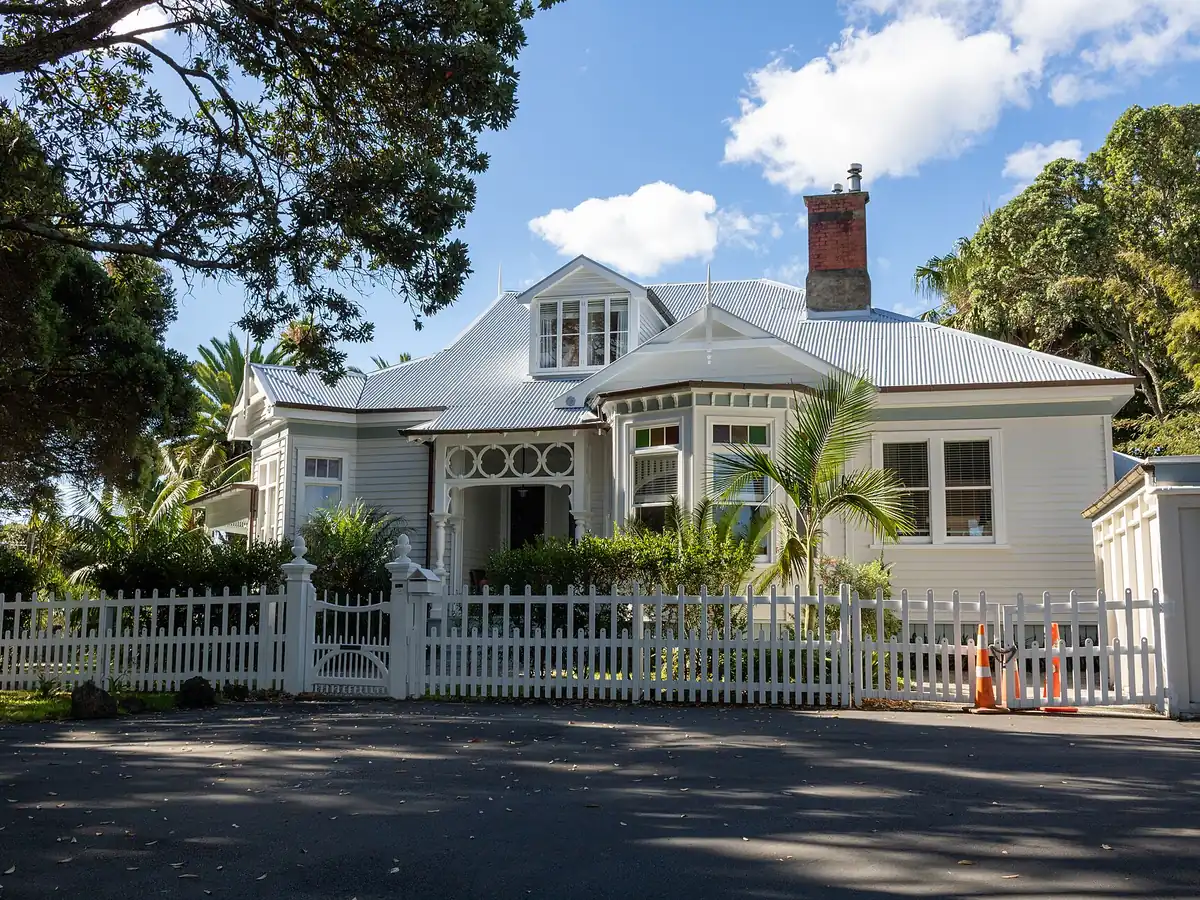

Ferry-era villas on Northcote Point
Land on the Point was cut into lots in 1843, a ferry ran from 1854 and Northcote Wharf had regular services from 1860, the year St John the Baptist church was founded. Between about 1880 and 1910 the Point became a commuter suburb, and many of its 1880s villas still stand. Northcote became a borough in 1908.
Villas of that age were built from untreated native timber, long before boron treatment arrived in 1952. Rimu, kauri and kahikatea sapwood in their floors, framing and weatherboards is exactly what the common house borer eats, so old exit holes are normal. The inspector's job is to say whether anything is still emerging and whether any member has lost strength, rather than to report that holes exist. The guide to house borer by build year explains how age and timber combine in houses like these.
What do the 1950s state houses need checked?
A small state housing development was built in central Northcote in the 1950s, and the shopping centre opened in June 1959, weeks after the bridge. These houses are usually plain, solid timber homes on piles, often reworked several times since: new kitchens, decks, re-lined walls and extensions from every decade.
Houses from the early 1950s straddle the start of boron treatment, so the original framing may or may not be treated, and floors were often native timber. The inspection looks at the subfloor first, then the join between original and added work. An extension framed between about 1995 and 2005 can contain untreated kiln-dried framing, so its date matters as much as the original house's. Piles and bearers are covered in detail under piles and subfloor.
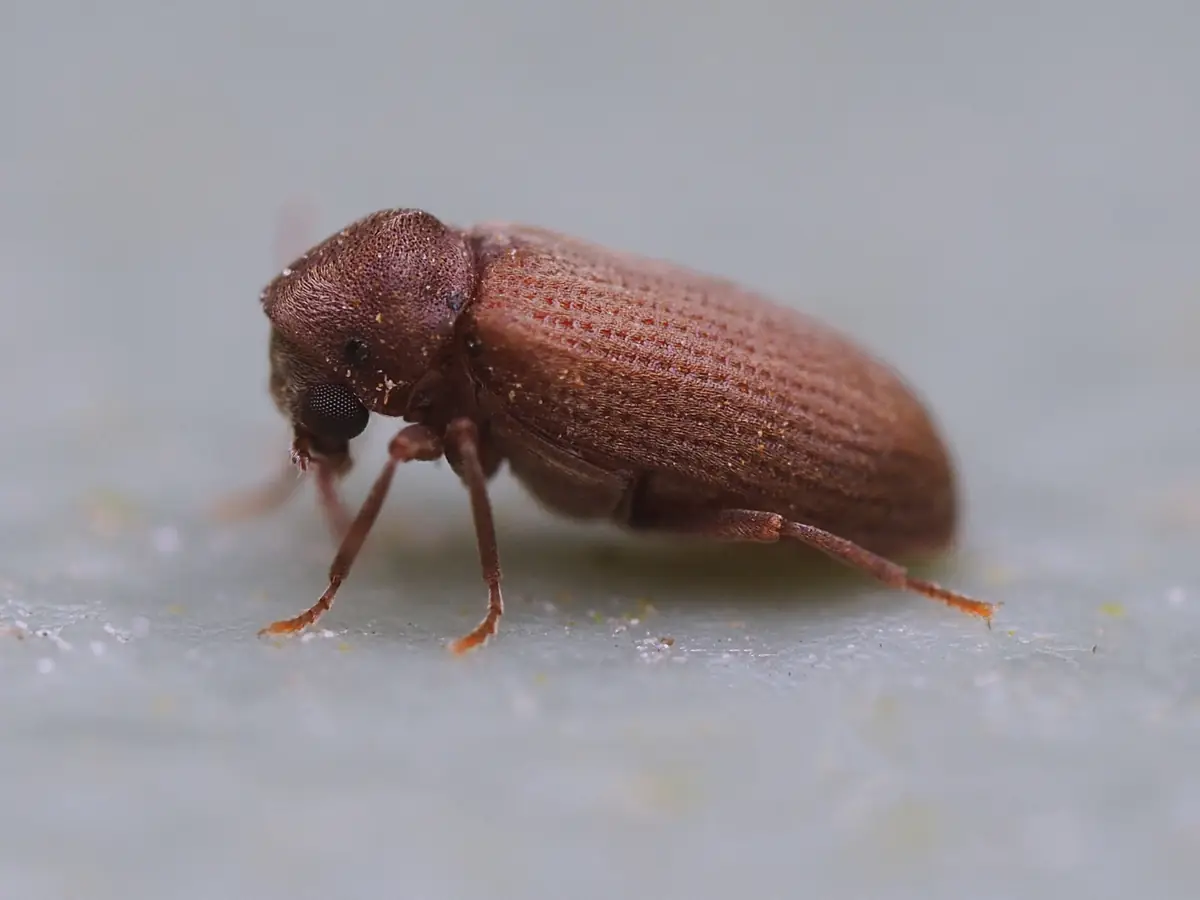
Renewal around the Awataha Stream
Northcote is one of the areas the Auckland Unitary Plan identifies for intensification. The Te Ara Awataha urban renewal is reshaping the centre, with about 1,700 new homes planned, and work began in 2019 to bring the Awataha Stream back above ground after it was piped in the 1950s.
New homes framed in H1.2 boron-treated timber, the standard since 2011 and treated framing for all consents since 2004, are a low borer risk; BRANZ describes H1.2 as treated to resist insect attack. The real borer questions in a renewal street are about the remaining older houses beside them, and about native-timber furniture and flooring that owners bring with them. If an antique piece is showing fresh dust, borer in furniture explains keeping it from spreading.
The overlay on the Point and like-for-like repair
The Unitary Plan maps part of Northcote Point in the Special Character Areas Overlay as Residential: North Shore, Northcote Point. Under the operative activity table, restoration and repair of a building is permitted, minor alterations at the rear in matching materials are permitted, and external alterations or additions need restricted discretionary consent.
Substantial demolition, defined as more than 30 per cent of the wall elevations and roof area, is also controlled in mapped parts of the overlay; borer in heritage homes covers repairs on older character houses generally. Most borer repairs on a villa are nowhere near that scale, but a badly damaged front wall or verandah could approach it. Building consent is a separate test under the Building Act, explained on borer damage repair. Check both before planning large work.
Old craters, creeks and subfloor damp
Two of Auckland's oldest volcanoes are here: the Tank Farm and Onepoto explosion craters, formed roughly 180,000 to 190,000 years ago. Onepoto Stream and Hillcrest Creek drain east to the harbour, and the high point is an 88 m hill on Pupuke Road. Low ground near the craters and creeks holds water longer than the ridges.
Houses near those low spots are the ones where the inspector looks hardest at subfloor ventilation, ground moisture and timber sitting close to soil. The common house borer prefers humid air, and the native longhorn prefers damp timber, so a wet subfloor is both a borer finding and a maintenance one.
Booking an inspection for a Northcote purchase
For a purchase, give the inspector the address, the settlement or due-diligence date and the building report if you already have one. Villas on the Point usually need the longest visit because of their size, low subfloors and ornate exterior joinery; state houses are quicker unless they have been extended many times.
If the building report already says "evidence of borer", borer in a building report explains what that phrase does and does not tell you. Across Shoal Bay, Takapuna has a similar mix of older homes and new apartments; up the hill, Birkenhead shares Northcote's villa history.
Every other suburb gets the same visit and the same report format; the overview is under borer inspection in Auckland.
Asked before booking
Do new Northcote townhouses need a borer inspection?
Rarely for the framing, which since 2004 has had to be treated for new consents and is now usually H1.2 boron-treated. An inspection is more useful for older houses, for timber reused in a new build, or if you see fresh holes or dust in furniture or flooring.
Were 1950s state houses built with treated timber?
Boron treatment of framing was introduced in 1952, so houses from that decade may have treated or untreated framing depending on when and how they were built. Floors were often native timber. The inspection records what each part of the house is actually made of.
Can I repair borer damage on a Northcote Point villa without resource consent?
Restoration and repair are permitted in the Special Character Areas Overlay under the operative plan, so matching repairs usually need no resource consent. External alterations and additions do. Building consent rules are separate and depend on how much structure is replaced.
Related guides
- House borer by build yearWhich New Zealand houses carry house borer, era by era, and why the framing timber decides it
- Piles and subfloorBorer in piles, bearers and joists, damp subfloors, rot versus borer, and when replacement needs a consent
- Borer in furnitureChecking antiques and second-hand pieces, treating them without harming the finish, and keeping borer out of the house
- Borer in a building reportWhat the common borer phrases in a pre-purchase report can and cannot tell you
Sources
- Wikipedia: Northcote, Auckland (history, geology, renewal)
- Auckland Unitary Plan, D18 Special Character Areas Overlay (Auckland Council)
- Standards New Zealand: key historical dates for timber treatment regimes
- BRANZ: H1.2 framing timber treatment
- NZ Farm Forestry Association: household borer, leaflet 32
Book a borer inspection in Northcote
The inspection is $285 + GST, credited against treatment done through the same operator. Treatment ranges sit on the cost page.