Buying a house
Spotting borer at an open home: a buyer's checklist
Twenty minutes at an open home will not tell you whether a house has an active borer problem, but it can tell you whether to pay someone to find out. This checklist covers the places worth a look, the details worth writing down, and the things to leave alone, so you arrive at a pre-purchase borer inspection with the right questions.
First published · updated
At an open home, look for small round or oval holes and fine dust in the places untreated timber is easiest to see: floor edges inside wardrobes, the underside of stairs, window sills and frames, skirting, the lowest weatherboards and any timber visible through the subfloor vents. Note the size, colour and location of what you see. Do not probe, lift or damage anything.
What are the signs of borer you can see at an open home?
Three signs are visible without tools: exit holes, bore dust and weakened surfaces. Round holes of about 1 to 2 mm, the size of a pencil lead, are typical of the common house borer. Oval holes of about 3 to 7 mm suggest the native two-toothed longhorn. Bore dust collects below holes, in board gaps and along sills. Crumbling edges or a surface that looks corrugated under paint are worth noting too.
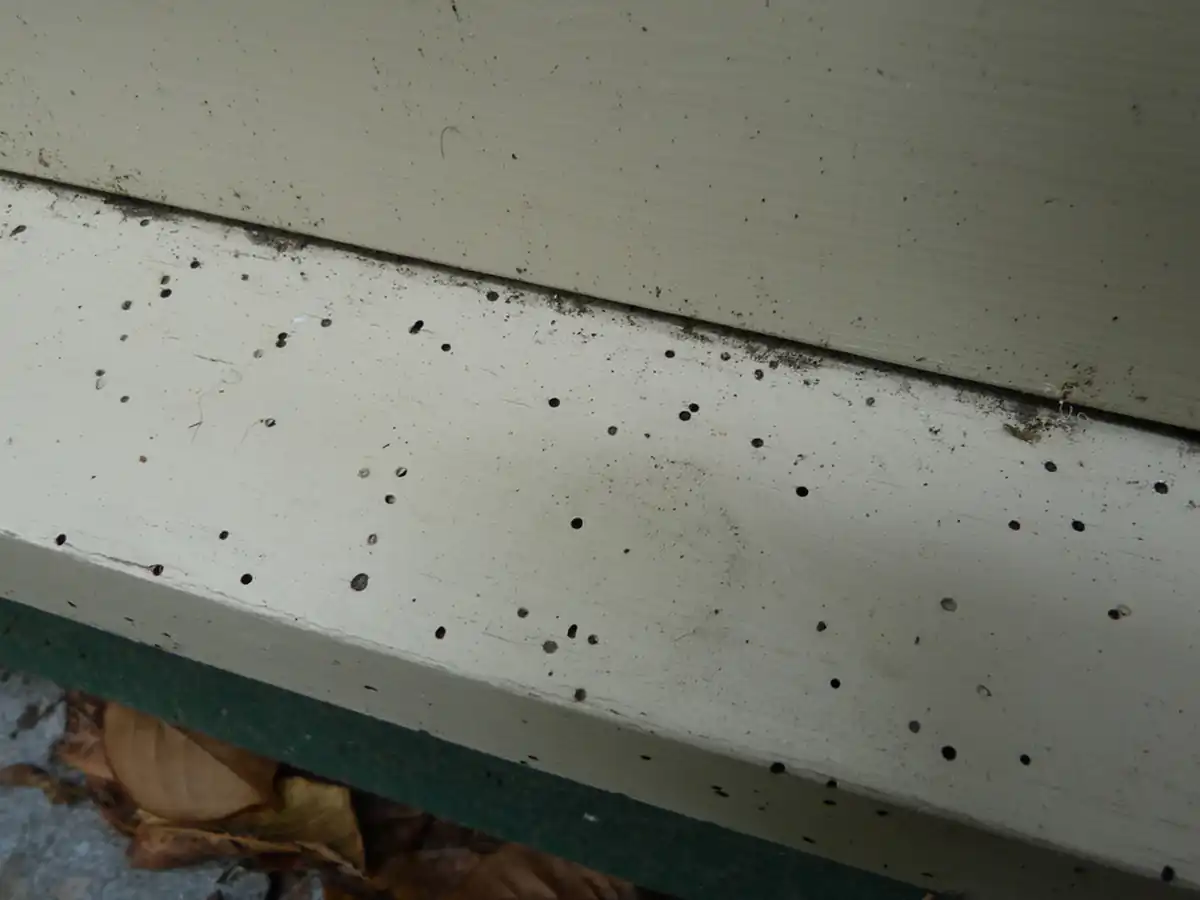
- Hole colour. Pale, sharp-edged holes look newer than dark, rounded ones. Note it; do not decide on it.
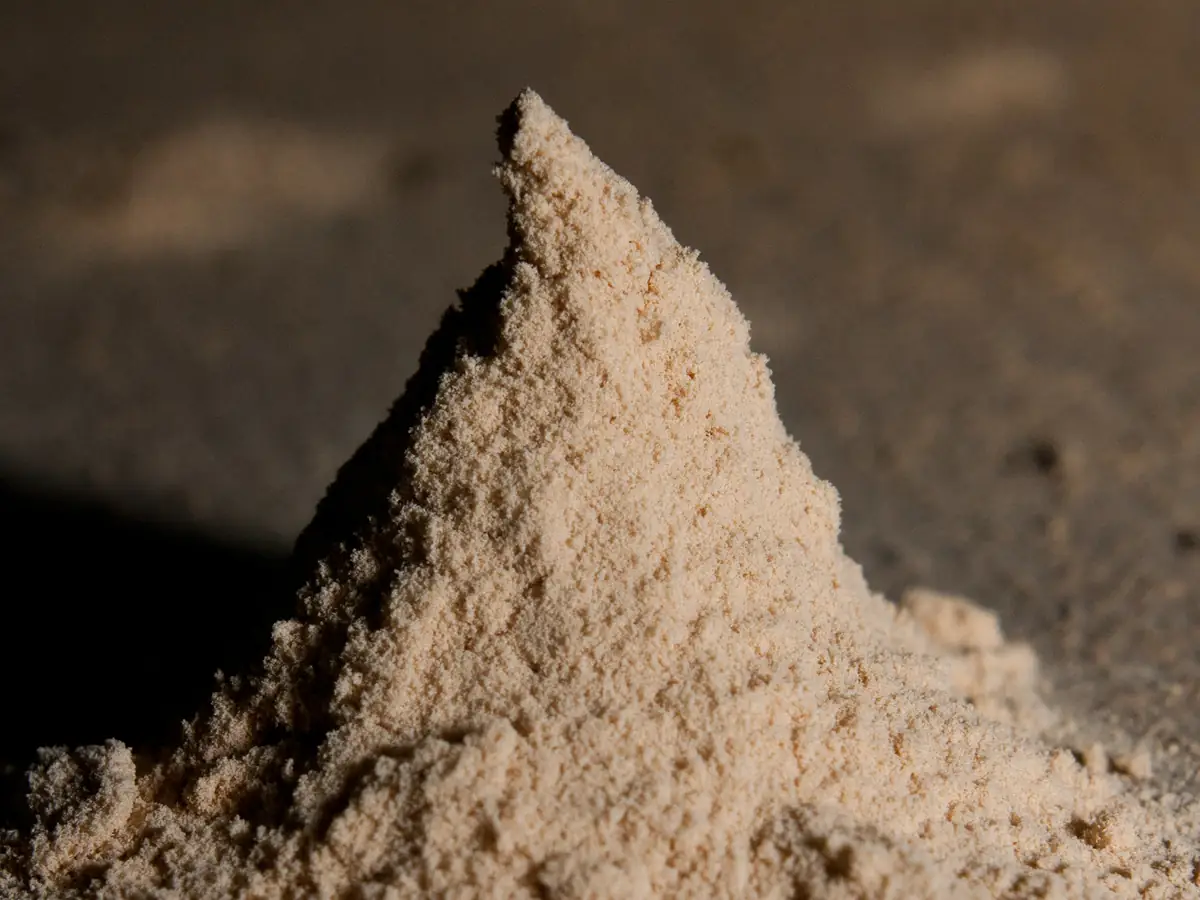
- Dust colour and texture. Pale, fine dust in a neat pile is worth a photo. Grey, dirty dust mixed with cobwebs is more likely to be old.
- Clusters. Holes grouped along the edge of a board follow the sapwood the common house borer prefers.
- Beetles. Small brown beetles on sills in late spring and summer are a sign that adults are emerging.
Where should you look for borer in an open home?
Go where bare or lightly finished timber is in view and nobody has polished it for the sale. Built-in wardrobes, linen cupboards and the space under the stairs often show the original boards. Window sills, door frames and skirting hold dust well. Outside, the bottom weatherboards on the shaded side and the timber around the subfloor vents and access hatch are worth a slow walk.
| Where | Look for | Why there |
|---|---|---|
| Wardrobe and cupboard floors | Holes along board edges, dust in gaps | Original boards, rarely refinished |
| Underside of stairs | Holes, dust on treads below | Often unpainted timber |
| Window sills and frames | Holes, dust lines, soft corners | Dust collects, and damp frames rot |
| Lowest weatherboards, shaded side | Holes, paint lifting in lines | Borer can work from the inside face |
| Subfloor vents and access hatch | Timber visible inside, damp smell | The only view of piles and bearers |
| Garage, sleep-out, workshop | Holes in exposed framing | Often untreated and unlined |
Wear shoes you can kneel in and bring a phone torch. Looking through a vent with a light is reasonable; crawling in is not.
What should you write down at the open home?
Write down where each sign is, its size compared with a pencil lead, whether holes are round or oval, the colour of any dust, and whether the timber is bare, painted or polished. Take a photo with a coin or a key next to the holes for scale. Those notes turn a vague memory into something a building inspector or a borer inspector can use when you book.

- Room or part of the house, and which wall or board.
- Round or oval; pinhead, pencil lead or larger.
- Dust: none, pale and fresh-looking, or dark and dirty.
- Surface: bare, painted, varnished, freshly filled or freshly painted.
- Anything springy, sagging or soft-looking underfoot.
- Musty smell near the floor or at the subfloor vents.
Freshly filled or newly painted timber in an otherwise tired room is worth noting on its own. The guide to filling and painting over borer holes explains why.
What should you not do at an open home?
Do not push a key or screwdriver into timber, lift carpet or vinyl, prise off a vent cover, climb into the roof space or crawl under the floor. The house belongs to someone else, damage is your liability, and a roof space or subfloor can hold insulation, wiring, broken glass and weak ceiling linings. Ask the agent about access instead and leave the probing to the inspection.
It is also worth not reading too much into a single visit. A clean-looking room may have been vacuumed that morning, and dust that reappears is one of the better activity signs, which a one-off visit cannot see. Old holes in a hundred-year-old floor are normal, so treat what you find as a reason to ask, not a verdict.
What should you ask the agent about borer?
Ask whether the vendor knows of borer, past treatment or replaced timber, whether invoices or reports exist, and whether you or an inspector can get into the roof space and subfloor before your condition date. Ask when rooms were last painted or floors last sanded. The answers shape which inspections you book and how you read the findings later.
- Has the house been treated for borer? When, where, and is there an invoice?
- Have any piles, bearers, joists, floorboards or weatherboards been replaced?
- When were the floors last sanded and the interior last painted?
- Is there a building report, and can I see the full report?
- Is there a roof hatch and a subfloor access point, and are they clear?
Agents must disclose defects they know about, though they are not required to search for hidden ones. The deal-breaker guide covers the professional rules in more detail.
Which houses deserve a closer look before you offer?
Houses framed before 1952, before boron treatment of framing timber was introduced, and houses built or extended during the untreated-framing window of roughly 1995 to 2005 deserve the most attention. So do houses with a damp or poorly ventilated subfloor, recycled native timber in a renovation, and older outbuildings. For these, a borer finding is likely and the useful question is whether it is live.
For the late 1990s and early 2000s in particular, see the untreated framing years, and for how damp drives borer, borer and moisture.
Does an open-home check replace a borer inspection?
No. An open-home look sees finished surfaces in good light for a few minutes. An inspection goes into the roof space and subfloor, where most untreated framing is exposed, probes suspect members for strength, takes moisture readings, and records each area, including the ones it could not reach. Your notes decide whether to book one; the inspection decides what the findings are.
What the inspector records, and in what order, is described on the borer inspection page, and what to do with the written result is in reading a borer report.
When the reading turns into a decision about one real house, the fee, the report and the booking steps are set out under a borer inspection for an Auckland property.
Asked about this
What does borer look like in a house?
Small round holes about the size of a pencil lead, often in lines along the edges of floorboards or framing, sometimes with fine pale dust below them. Larger oval holes in structural timber suggest the native longhorn. Badly affected timber can crumble at the edges or feel soft underfoot.
Can I check the subfloor at an open home?
You can shine a torch through the vents and look at whatever timber is visible from outside, and you can ask the agent whether there is a clear access hatch. Crawling under someone else's house is not a good idea: it is their property and a subfloor can be unsafe.
Is fine dust on a window sill a sign of borer?
It can be. Bore dust is fine and gathers below exit holes, on sills and in board gaps. Ordinary household dust is greyer and mixed with fibres. A photo and a note of where it was are enough at an open home; whether it means live borer is for an inspection.
Should I mention borer to the agent before making an offer?
Asking about borer, past treatment and replaced timber is ordinary due diligence and gives the agent a chance to share what the vendor knows. How you use any answer in your offer and conditions is a question for your lawyer.
After the open home
- Pre-purchase borer inspectionA borer check timed to your building condition, read alongside the building report
- Reading a borer reportEach line of borer inspection findings explained, and what it means for a buying or repair decision
- Filling borer holesWhy filler and paint do not stop borer, what fresh filling means to a buyer, and when filling is fine
- Pre-purchase building inspectionWhat an NZS 4306 pre-purchase building inspection covers, what it leaves out, and where borer fits
Sources
- NZ Farm Forestry Association: household borer, Anobium punctatum
- NZ Farm Forestry Association: two-toothed longhorn, Ambeodontus tristis
- Consumer NZ: borer and other pests
- Consumer Protection (MBIE): building reports and red flags
- Standards New Zealand: key historical dates for timber treatment regimes
Book a borer inspection
The inspection is $285 + GST, credited against treatment done through the same operator. Treatment ranges sit on the cost page.