Owners and buyers
Filling and painting over borer holes
Filler and paint make borer holes disappear from view, and that is all they do. The larvae that will make next season's holes are deeper in the wood, and they are not troubled by a skin of filler. Filling has a proper place, after an inspection has said the borer is inactive or after treatment, and this guide sets out the order.
First published · updated
Filling borer holes and painting over them is cosmetic. It does not kill larvae inside the timber, which may feed for three to four years before emerging, and it hides the holes and dust that show whether borer is still active. Fill only once an inspection has found the borer inactive or the timber has been treated, and photograph the holes first.
Does filling borer holes stop borer?
No. The exit hole is where an adult beetle left; the larvae that matter are elsewhere in the timber, tunnelling for years. The NZ Farm Forestry Association gives about three years in kahikatea sapwood and about four in rimu and radiata pine. A plug of filler at the surface does not reach them, and when they finish developing the next adults chew their own way out.
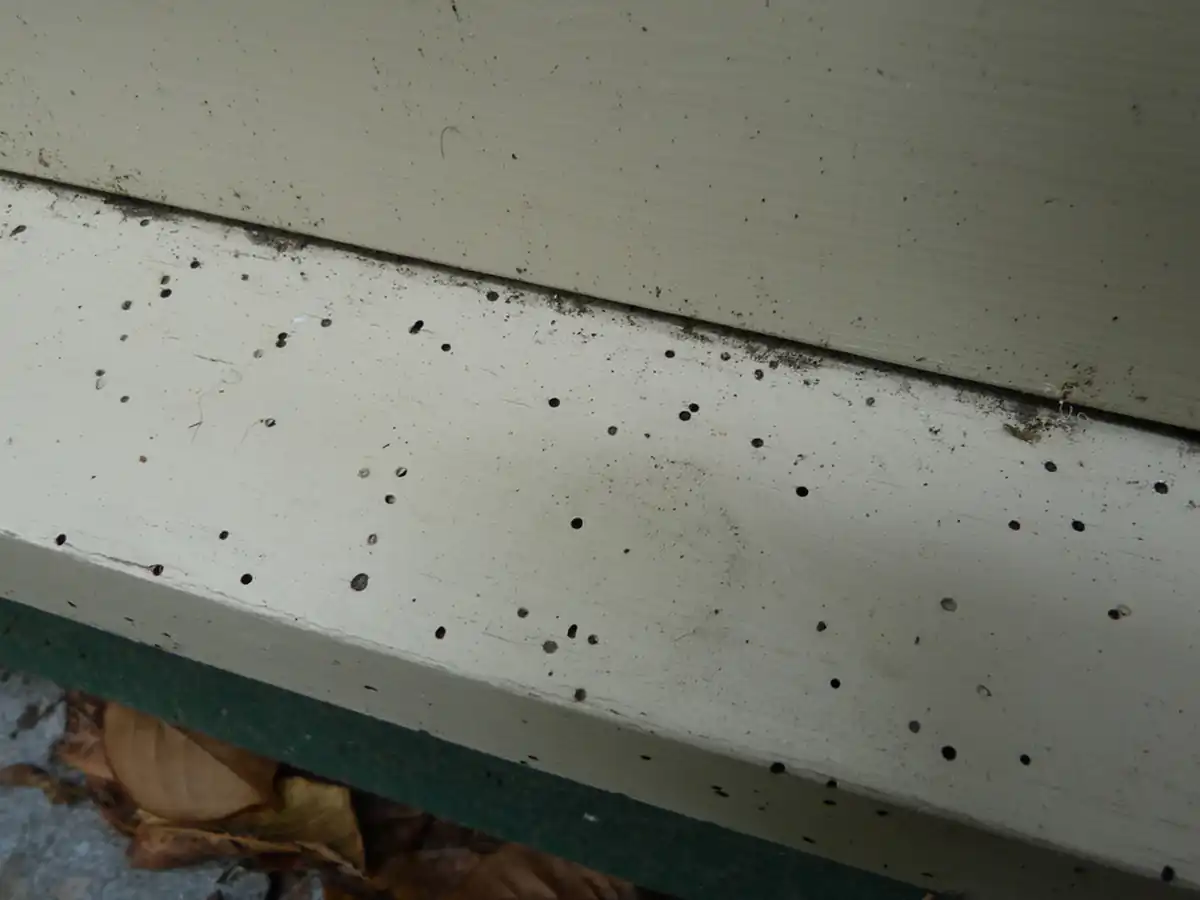
The same is true of paint. Consumer NZ notes that weatherboard borer is often worse than it looks, because larvae attack from the inside face of the board. A fresh coat on the outside face can leave that untouched. Paint and filler also block the bare surface that residual borer treatments need to soak into.
Why does filling hide the evidence?
Activity is judged from what the surface shows: holes that look fresh, pale dust that reappears, beetles in season. Filler and paint remove all three. Freshly covered timber cannot show whether the holes beneath it were old or recent, and new holes will only appear when the next adults emerge, which may be months away. A recently filled surface tells an inspector less, not more.
For an owner that means losing the record of where the borer was. For a buyer it means a room that looks clean on the day may simply have been tidied. Neither is a reason to panic; both are reasons to keep or ask for photos of the holes before they were filled.
What should a buyer make of freshly filled or painted timber?
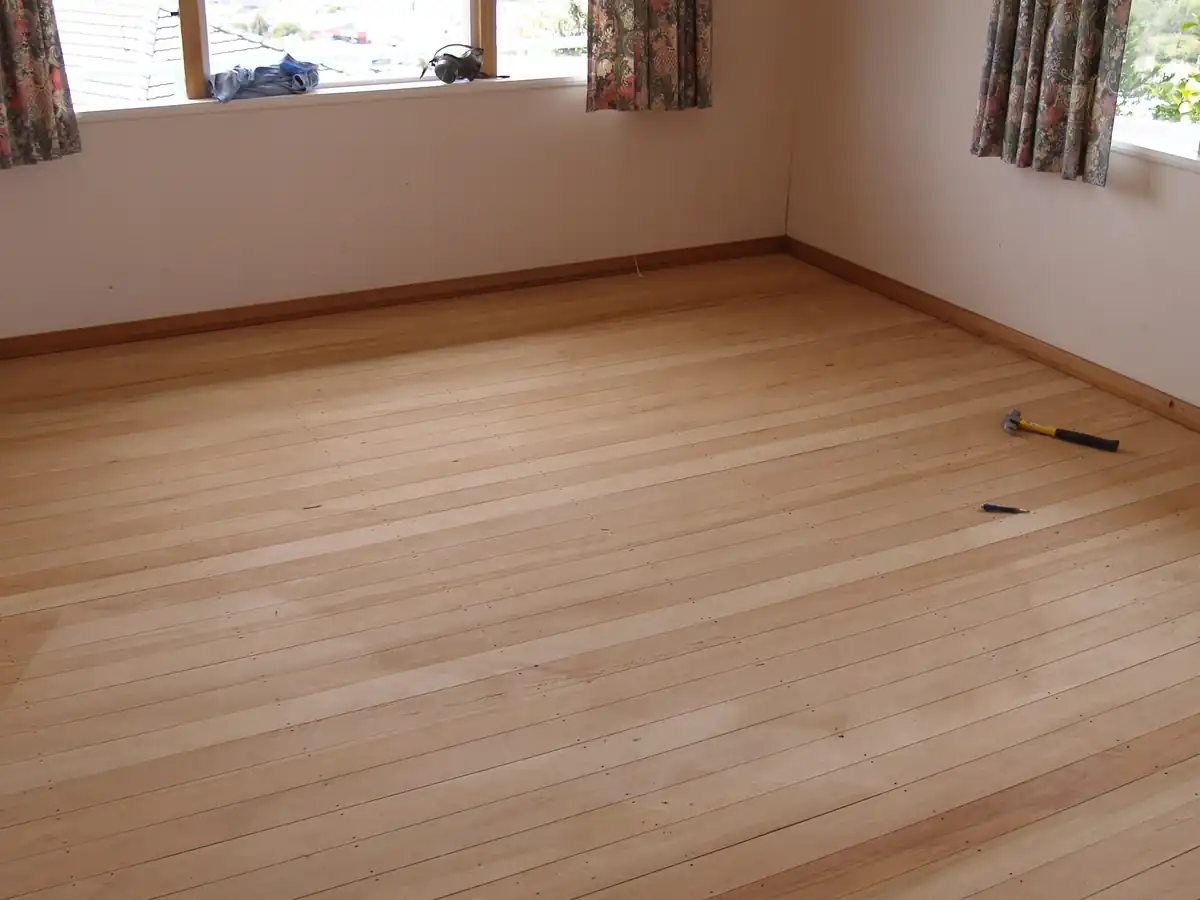
Treat it as a question, not an accusation. Vendors freshen up houses before sale and filler is cheap, so most filled holes are presentation. But fresh filler in floor edges, sills or lower weatherboards of an older house means the borer history of that timber is no longer visible, and it is fair to ask what was there and whether it was treated.

- Ask when the filling and painting were done and whether there was any borer treatment first.
- Ask for the treatment invoice or written findings if there were any.
- Look at unpainted timber nearby, such as inside cupboards or under stairs, which was less likely to be touched.
- Mention the filled areas to the inspector so they can look closely and note them.
Your notes from the open home help here. The open-home checklist suggests recording which surfaces looked freshly finished.
When is filling borer holes fine?
Filling is fine once you know the borer is no longer a problem in that timber: an inspection has judged the holes historic, or live borer has been treated and the treatment has had time to work. At that point filling is ordinary finishing work, the same as making good any other dent or nail hole, and it can improve how a floor or sill looks.
Keep a record before you fill. A dated photo with something for scale, and a note of which boards were affected, lets anyone looking later tell old holes from new ones. If a hole appears through fresh filler the following summer, that is useful information too: it means something is still emerging.
What is the right order: treat, fill, then paint?
Find out first, then treat if needed, then fill, then finish. Residual surface treatments only work on bare timber, so they go on before primer or paint. On painted, varnished or polished timber the treatment goes into the flight holes with an injector before they are filled. Filling first, then trying to treat, puts a barrier in the way.
-
Inspect
Species, activity and whether the timber is still sound.
-
Photograph
Holes and dust, with scale, before anything is covered.
-
Treat if live
Bare timber by surface application; finished timber by injecting the holes.
-
Let it dry
Follow the product label for drying time before filling.
-
Fill and finish
Filler suited to the surface, then primer and paint, or stain and polish on floors.
How each treatment reaches the larvae is covered under treating live borer.
How should you fill borer holes before painting?
Clean the dust out of the holes, check that the surrounding timber is firm, then press in a filler suited to the surface and the paint system, slightly proud, and sand flush once it has cured. Wide areas of tightly clustered holes in soft timber are not a filling job: if a screwdriver tip sinks in easily, the board may need replacing rather than hiding.
On exterior weatherboards, follow the paint maker's guidance on fillers for exterior use. On floors, a filler tinted to the timber or a wax stick is usual, and many owners leave old holes in rimu as part of the character once they are known to be inactive. Weatherboard-specific issues are on the borer in weatherboards page.
Does painting over borer holes prevent new borer?
It can reduce new egg-laying a little, nothing more. The NZ Farm Forestry Association records that the female lays on rough-sawn surfaces, in cracks and crevices, and in old exit holes, so a sound paint film over filled holes covers some of those places. It does not affect larvae already inside, and unpainted faces such as the backs of weatherboards stay open.
So painting helps prevention on sound timber and does nothing for an existing infestation. If the aim is to stop borer that is already there, the guide to borer bombs and sprays explains what reaches larvae and what does not.
When the reading turns into a decision about one real house, the fee, the report and the booking steps are set out under the Lignum borer inspection across Auckland.
Asked about this
Should I fill borer holes before painting?
Only after you know the borer is inactive or the timber has been treated. Surface treatments must go on bare timber before paint, and painted or polished timber is treated by injecting the holes before they are filled. Photograph the holes first so there is a record.
Will paint kill borer?
No. Paint sits on the surface; larvae are inside the timber and can keep feeding for years. A good paint film reduces new egg-laying on sound timber but does nothing for an existing infestation.
Is it a red flag if a house for sale has filled borer holes?
Not by itself; filling is common pre-sale tidying. It does hide the evidence, so ask what was there, whether it was treated, and whether there are invoices, and point the areas out to the inspector.
What if new holes appear in filler I put in last year?
That means adults emerged through it, so something was still developing in that timber after you filled. It is worth having the area inspected and, if live, treated before you fill again.
Before you reach for the filler
- Treating live borerWhat treatment involves after a live borer finding: bare and finished timber, timing, moisture and follow-up
- Borer bombs and spraysWhat foggers, surface sprays, injectors and borate products each reach, and when DIY is enough
- Old borer damageWhen historic borer holes in an old house matter, how strength is judged, and what to record
- Borer in weatherboardsBorer in lower boards and sills, what paint does and does not stop, and replace versus treat versus repaint
Sources
Book a borer inspection
The inspection is $285 + GST, credited against treatment done through the same operator. Treatment ranges sit on the cost page.