Sandringham, central isthmus
Sandringham houses on old swamp ground: a borer inspection guide
The road through Sandringham was once called Cabbage Tree Swamp Road. That name says a good deal about what a borer inspection looks at under the suburb's timber houses.
Sandringham's housing runs from Edwardian villas through 1920s bungalows to state houses and 1960s flats, nearly all timber-floored. The inspector identifies any borer, judges activity and spends extra time on subfloor moisture, because parts of the suburb sit on low, historically wet ground.
Wet ground does not mean borer, but damp timber helps every borer species found in Auckland houses.
From Cabbage Tree Swamp Road to a tram suburb
In 1862 sixteen properties lined Cabbage Tree Swamp Road. It became Kingsland Road in 1877, the district was called Edendale from about 1916, and the name Sandringham was adopted in November 1929. Around 1900 there was no water supply, and in 1924 still no gas or electricity. Building took off once the tramline reached the Sandringham shops by March 1925.
Schedule 15 names King Edward Street and Burnley Terrace as streets filled with villas by the end of the Edwardian era. Most of the rest is 1920s and 1930s bungalows and villas on evenly spaced streets either side of Sandringham Road, followed by state housing in the 1930s and 1940s and duplex flats on Haverstock Road from 1960.
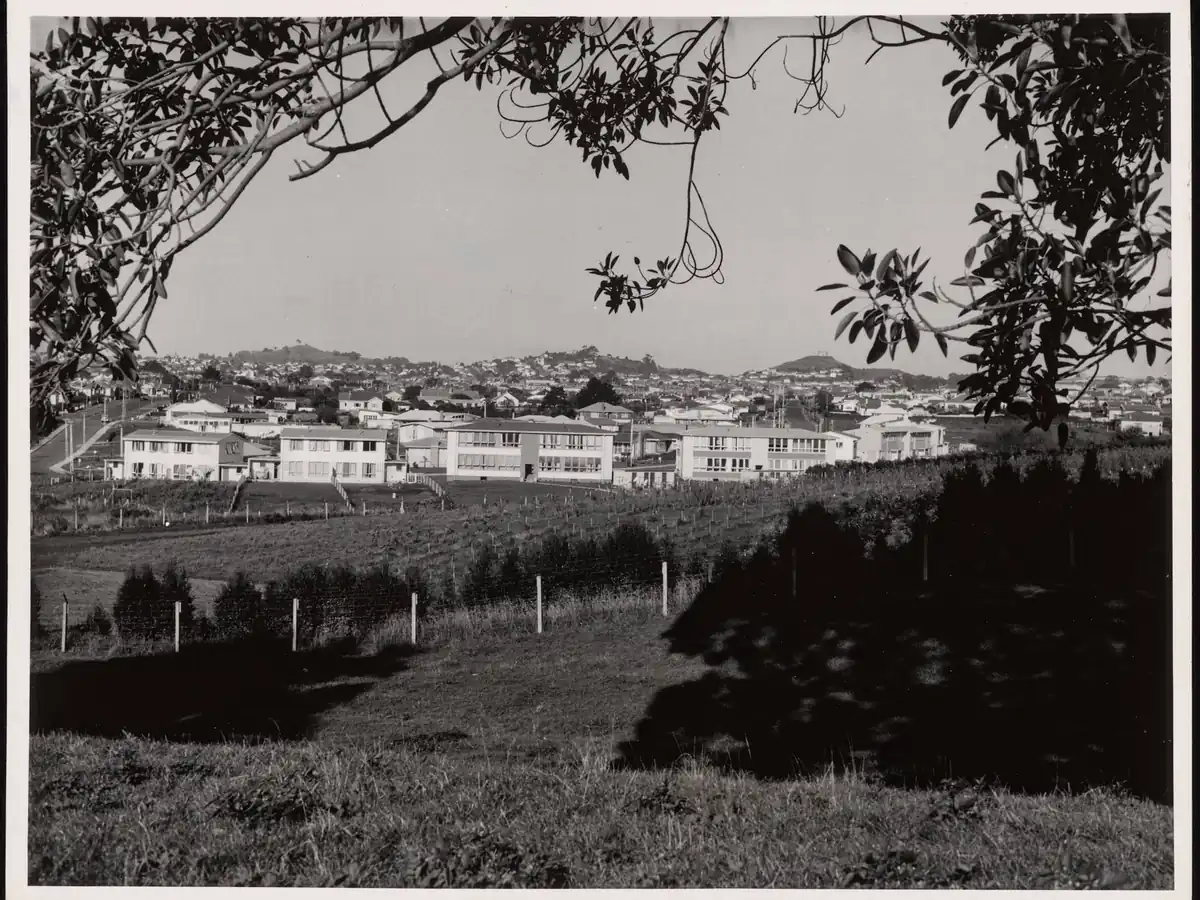

Villa, bungalow, state house: three subfloors
| Type | Era | Inspection focus |
|---|---|---|
| Villa | Before about 1915 | Native framing and floors, roof sarking, bay window sills |
| Californian bungalow | 1920s to 1930s | Bearers and joists, low clearance at one end, roof framing |
| State house | 1930s to 1940s | Floor sapwood, subfloor vents, later decks and additions |
| Duplex or flat | From 1960 | Shared roof spaces and floors, body corporate timber |
Renovations change any of these. A villa with a rear extension from the late 1990s may have untreated kiln-dried framing at the back, because that was allowed from 1995 until treated framing was required again for consents from 1 April 2004.
Why does Sandringham's ground matter under the floor?
Sandringham was swampy, and it flooded. In a 1919 storm water ran through the bay windows of low-lying houses, and Eden Park and Gribblehirst Park turned into lakes in heavy winter rain. Gribblehirst Park was once known as Cabbage Tree Lake. The suburb also sits in a landscape shaped by lava flows from Maungawhau and Mount Albert, and Meola Creek runs along the Roy Clements Treeway.
On 27 January 2023 Auckland Airport recorded 258 mm of rain, the wettest day on record, and Sandringham was among the areas flooded again on 1 February. Meola Creek at the Treeway rose high enough to submerge a bridge. For a buyer, ask whether water has reached the subfloor; for the inspector, damp soil, tide marks on piles and soft bearer ends are all part of the reading.
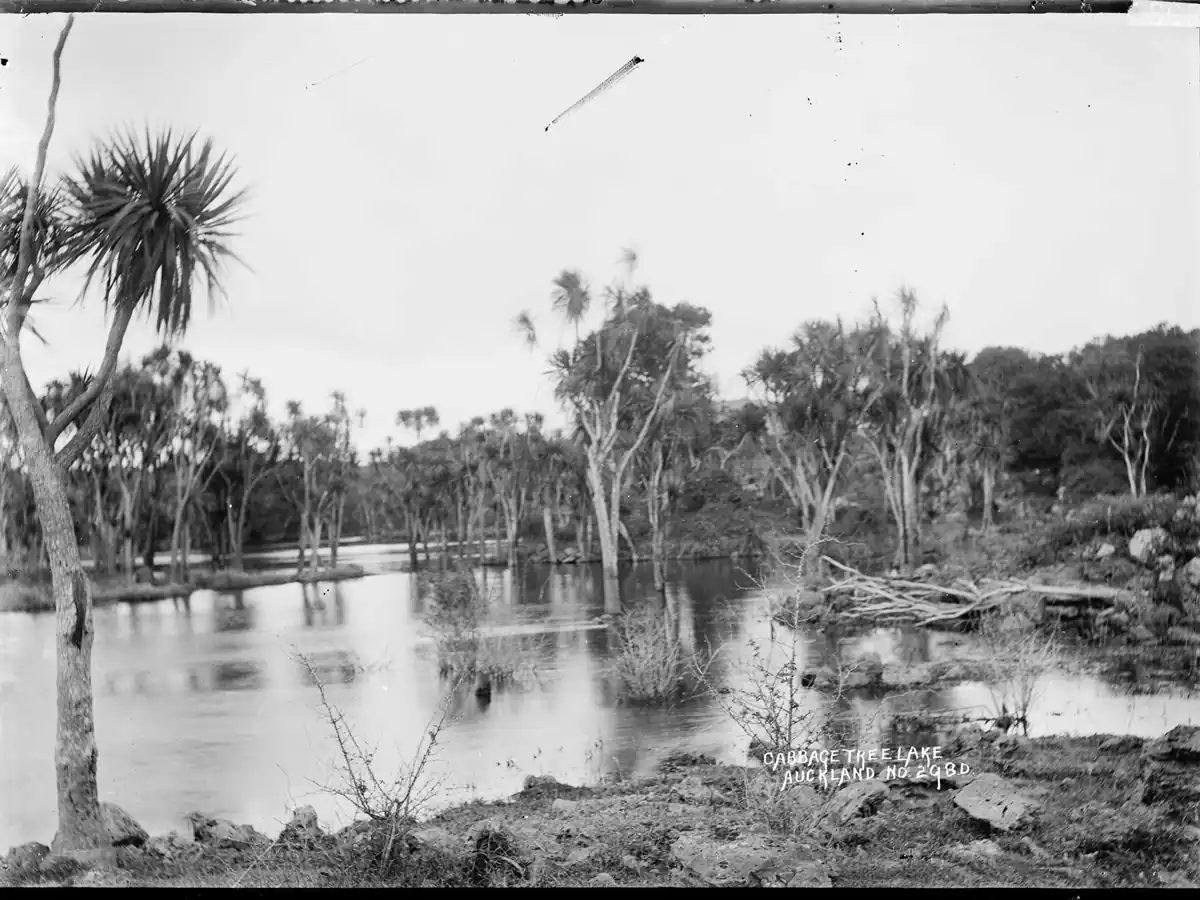

Flooded subfloors and the beetles that follow damp
After water has been under a house, timber can stay wet for months if ventilation is poor. The common house borer develops faster in humid air, and the native two-toothed longhorn and huhu need properly damp wood. Longhorn holes are oval, about 3 to 7 mm long, and the beetle tunnels through heartwood as well as sapwood.
So the findings for a low-lying Sandringham house will often put drainage and ventilation next to any treatment recommendation. Treating a wet bearer without drying it out rarely holds. A musty smell at the hatch, fungal strands on timber, rusted nail heads in bearers and a silt line on piles are not borer, but each one changes how long a treatment can be expected to last. The piles and subfloor page explains what can be seen from the hatch and what needs a crawl.
Overlays along Sandringham Road
The Sandringham shops are a Business special character area, parts of the suburb fall in Isthmus A, and the Balmoral Tram Suburb West area is bounded by Sandringham Road. Inside an overlay, repairing like for like is treated differently from replacing cladding or joinery. Because Plan Change 120 is changing these overlays, check the current position for your address with Auckland Council before planning repairs to the outside of the house.
Fees for a Sandringham borer inspection
A Sandringham inspection is $285 + GST. The fee is credited against the treatment if you go ahead with the recommended work through the same operator. Treatment ranges published for Auckland are about $350–$600 + GST for a roof space and about $450–$750 + GST for a subfloor; the borer pricing guide sets out what moves a quote. Moisture work such as drainage or extra vents is separate and is done by others.
What a builder's report on a bungalow can skip
Building reports are visual surveys of the whole property, and on a bungalow they often compress the subfloor into a line or two. A note that old borer is evident with no current activity observed may rest on a quick look from the hatch at the high end of the house. In Sandringham the low end of a subfloor is also the end most likely to be damp, so that is the part worth reaching.
The borer findings record each subfloor area separately, give a moisture note for each and say plainly where clearance stopped the inspector. Read them alongside the builder's comments on drainage, ground levels and downpipes. If both reports point at the same corner of the house, that is where a repair budget should start.
When to book if you are buying here
Book as soon as an offer is accepted, or once you decide to bid at auction, and tell the inspector if the listing or the LIM mentions flooding. Read the builder's report alongside the borer findings; reading a borer report explains how the two fit together.
Balmoral lies east with similar tram-era housing, and Mt Albert borders the suburb to the west. More suburbs are in the locations hub, and the visit itself is described under inspecting for borer in Auckland.
Every other suburb gets the same visit and the same report format; the overview is under Lignum Timber Inspections.
Asked before booking
Our Sandringham house had water under it in 2023. Should we check for borer?
It is worth it. Timber that stayed wet can suit house borer, longhorn and huhu, and it can rot. The inspector checks for beetles and records moisture and soft timber, so you can see whether drying out should come first.
Are King Edward Street villas older than the bungalows nearby?
Schedule 15 records King Edward Street and Burnley Terrace as filled with villas by the end of the Edwardian era, before most of the suburb's bungalows were built in the 1920s and 1930s.
Does the Haverstock Road flat I am buying need a borer check?
Possibly, but check the body corporate records first. In a unit title, shared roof and floor timber is usually common property, so findings there are a matter for the body corporate.
For Sandringham owners and buyers
- Piles and subfloorBorer in piles, bearers and joists, damp subfloors, rot versus borer, and when replacement needs a consent
- Borer and moistureHow humidity, damp subfloors and timber moisture drive borer, and what moisture readings in findings mean
- Reading a borer reportEach line of borer inspection findings explained, and what it means for a buying or repair decision
- Villas and bungalowsWhere borer usually shows in Auckland villas and California bungalows, and in renovations that mix old and new timber
Sources
- Wikipedia: Sandringham, New Zealand
- Auckland Unitary Plan, Schedule 15: Special Character Schedule, Statements and Maps
- Wikipedia: 2023 Auckland Anniversary Weekend floods
- Meola Creek: Roy Clements Treeway flooding, February 2023
- Wikimedia Commons: View of Cabbage Tree Lake, Auckland
- Standards New Zealand: key historical dates for timber treatment regimes
Book a Sandringham borer inspection
The inspection is $285 + GST, credited against treatment done through the same operator. Treatment ranges sit on the cost page.