St Heliers, eastern bays
St Heliers houses and borer: what the inspector checks
St Heliers mixes Edwardian villas, cottages and garden-suburb houses on generous sections with a bayside village and a line of cliffs. Each part asks something slightly different of an inspection.
A borer inspection covers the roof space, subfloor, exterior and floors, identifies any borer and judges whether it is current. In St Heliers the findings often include salt-weather wear on the bay side and moisture under houses near the old Glover Park swamp.
Cliff-top buyers need a separate geotechnical opinion; a borer inspection does not assess ground stability.
Glen Orchard, a failed pier and Tamaki Drive
St Heliers was part of the Kohimarama Block bought by the Crown in 1841. Settlement began with the Glen Orchard homestead in the 1850s; Heritage New Zealand records a single-storey house of about 1850 to 1855 with a second storey added around 1868, of timber construction with weatherboard cladding. A land company bought the bay in 1881 and built a 460 m pier in 1882, but sales were poor and it failed.
By 1890 the bay was a day-trip destination. Tamaki Drive opened in 1932, and St Heliers became a commuter suburb. Spooner Cottage on Tamaki Drive dates from the 1890s. Glen Orchard itself stands on concrete-block foundations under a slate roof, on the north-facing slopes of a natural amphitheatre.
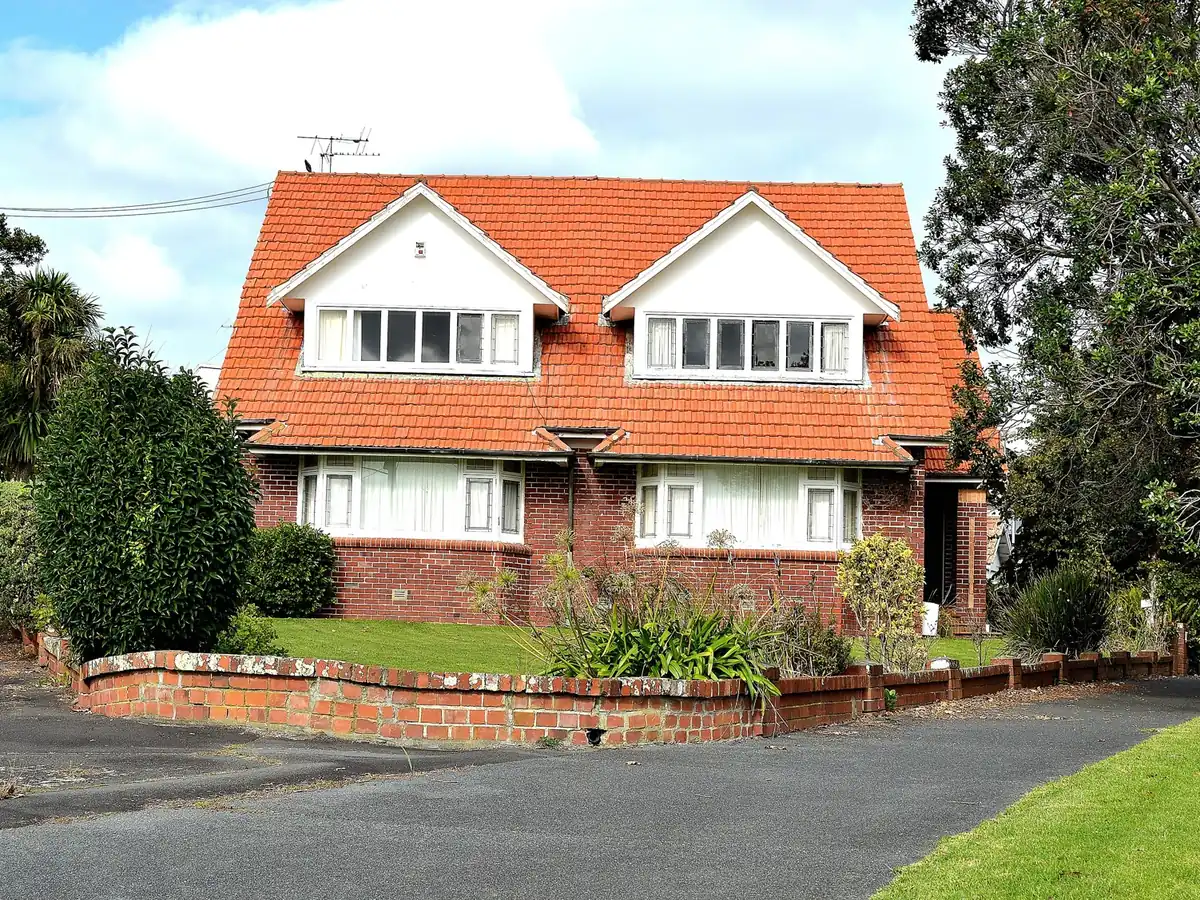

What kinds of houses line the St Heliers streets?
The Isthmus B character statement, which covers parts of St Heliers, describes Edwardian villas, English Cottage revival and Garden Suburb houses on generous sections, plus cottage-style state houses of the late 1930s and early 1940s, set back about 4 to 12 m from the street. The bay's town centre is covered by Isthmus A.
All of these predate boron treatment in 1952, so their original framing, floors and roof timber are untreated. Later extensions vary, and any built between 1995 and 1 April 2004 may contain untreated kiln-dried framing.
Rimu floors and the undersides nobody sees
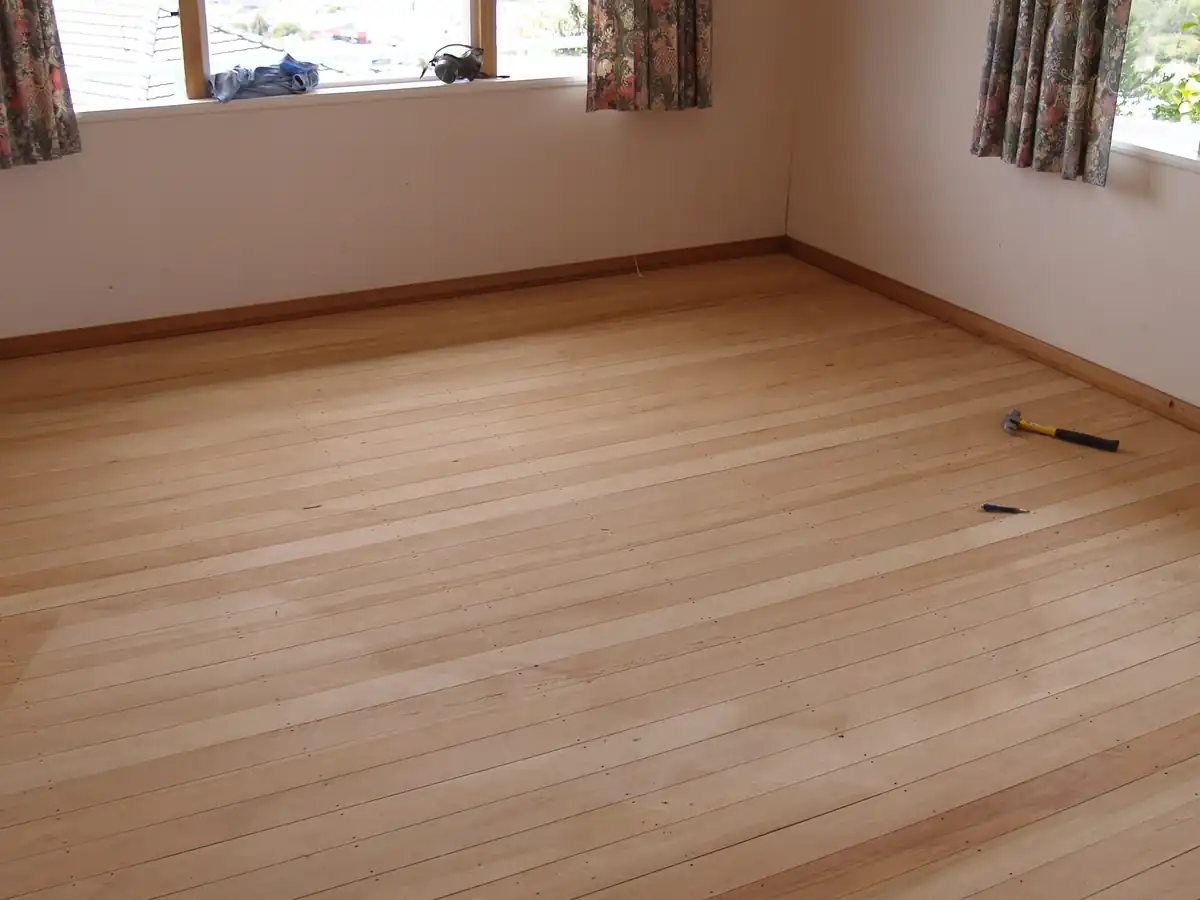
Polished native floors are common in St Heliers villas and cottages. The common house borer works in the sapwood of rimu and other native timbers, so a board that looks perfect on top can be tunnelled underneath. The inspector looks at floors from above for holes and dust, then from the subfloor for damage on the undersides and joists.
Freshly sanded floors can hide old holes under filler and finish, and rugs or furniture can cover the patches where dust collects. The borer in floors guide explains what the inspector can and cannot see through a new finish.

Sea air, the bay side and paint
Houses facing the bay take wind and rain off the water. Paint fails faster on the weather side, and boards, sills and verandah posts that stay damp suit the longhorn and huhu as well as house borer. The inspector reads the exposed elevations closely and records where moisture is getting in. Weatherboard findings are explained in borer in weatherboards. Verandah floors on the bay side deserve a look too, since water sits on them and runs into the joists below.
Extensions on garden-suburb sections
Generous sections with deep setbacks have left room for extensions behind and beside the original houses. A villa may carry a 1970s family room, a 1990s rear wing and a modern kitchen, each framed in different timber. The inspector notes where each addition joins the original house, because junctions in the roof and subfloor are where untreated timber meets newer framing, and where leaks often start.
Ask the vendor for consent dates or check the council property file. An addition consented between 1995 and 1 April 2004 may hold untreated kiln-dried framing; one consented after that date should be treated.
Is the cliff edge a borer question?
Not directly, but buyers often ask. In June 2008 emergency works estimated at up to $4 million began on Cliff Road at Achilles Point after cracking along more than 200 m of footpath; GNS recorded that the movement threatened five houses and was deep-seated in sandstone and siltstone. GNS advises buyers of cliff-top homes to get a pre-purchase geotechnical assessment.
A borer inspection will note cracked piles or racked framing, but it is not a ground report. Book both if the house is near an edge. If the vendor already holds a geotechnical report, ask to see it; it may describe drainage or retaining work that also affects how dry the subfloor stays.
Glover Park's old crater and damp subfloors
Whakamuhu / Glover Park is an extinct maar crater that became a swamp. Drainage in 1953 failed because the ground stayed unstable and flood-prone, and it took a second scheme in 1959 to make it usable as sports fields. Nearby houses, and those beside bush reserves such as Dingle Dell, deserve a close look at subfloor moisture. Dingle Dell, a reserve since the 1880s, still holds native kohekohe and tānekaha.
Signs that a subfloor stays wet include soil that marks a finger, fungal strands on timber and corroded fixings. A section shaded by large trees dries slowly too. The inspector records these next to any borer, because a treatment applied to timber that never dries out is unlikely to last.
Fees, overlays and booking in St Heliers
The inspection fee is $285 + GST. The fee is credited against the treatment if you go ahead with the recommended work through the same operator. Treatment, if needed, is published at about $350–$600 + GST for a roof space and about $450–$750 + GST for a subfloor; see the cost page.
St Heliers falls within Isthmus B and Isthmus C special character areas in parts. Plan Change 120 is amending these overlays, so check your address with Auckland Council before exterior repairs. Book the pre-purchase borer check before your conditions date. Other eastern and central suburbs, including Remuera, are in the locations hub, and the home page describes borer inspection for Auckland homes.
Every other suburb gets the same visit and the same report format; the overview is under a borer inspection for an Auckland property.
Asked before booking
Does a St Heliers borer inspection cover cliff stability?
No. The inspector notes visible structural signs such as cracked piles, but ground stability needs a geotechnical engineer, which GNS recommends for cliff-top purchases.
Are Glen Orchard-era houses common in St Heliers?
Very few houses are that old. Most of the suburb is Edwardian, interwar and 1930s to 1940s housing, with later infill and apartments near the bay.
Should I inspect a sanded rimu floor before buying?
Yes. Sanding and filling hide old holes, and tunnelling on the underside can only be seen from the subfloor.
For St Heliers buyers
- Borer in floorboardsHouse borer and powderpost beetle in timber floors, finished versus bare boards, and when boards need replacing
- Borer in weatherboardsBorer in lower boards and sills, what paint does and does not stop, and replace versus treat versus repaint
- Pre-purchase borer inspectionA borer check timed to your building condition, read alongside the building report
- Borer and moistureHow humidity, damp subfloors and timber moisture drive borer, and what moisture readings in findings mean
Sources
- Wikipedia: St Heliers
- Heritage New Zealand: Glen Orchard, List No. 581
- GNS Science: Cliff Road landslide, St Heliers (SR 2009/004)
- Auckland Unitary Plan, Schedule 15: Special Character Schedule, Statements and Maps
- Auckland Unitary Plan, D18 Special Character Areas Overlay
- Standards New Zealand: key historical dates for timber treatment regimes
Book a St Heliers borer inspection
The inspection is $285 + GST, credited against treatment done through the same operator. Treatment ranges sit on the cost page.