Safety
Do borer beetles bite, and are they dangerous?
Finding beetles indoors, especially at night or near a child's bed, raises an obvious question. The short version of the evidence is reassuring for people and less so for timber. A borer inspection is about the house, but this guide covers the people in it.
First published · updated
The common house borer does not feed as an adult, and none of the New Zealand sources used here describes it biting people. Te Papa describes the much larger huhu as harmless but able to give a painful nip if mishandled. The real risks are to timber, and from insecticides used carelessly, which is why products are used to their labels.
Do borer beetles bite people?
The NZ Farm Forestry Association records that house borer adults do not feed at all during their few weeks of life. Their purpose is to mate and lay eggs. None of the leaflets, museum pages or consumer guides used for this library describes house borer, powderpost or longhorn biting a person.
That fits what owners see: small brown beetles sitting on sills or walking slowly on glass in early summer, not seeking out skin. If you are being bitten indoors, the cause is very likely something other than borer, and it is worth identifying properly rather than assuming. The guide to beetle identification helps separate borer from other beetles by the timber evidence.
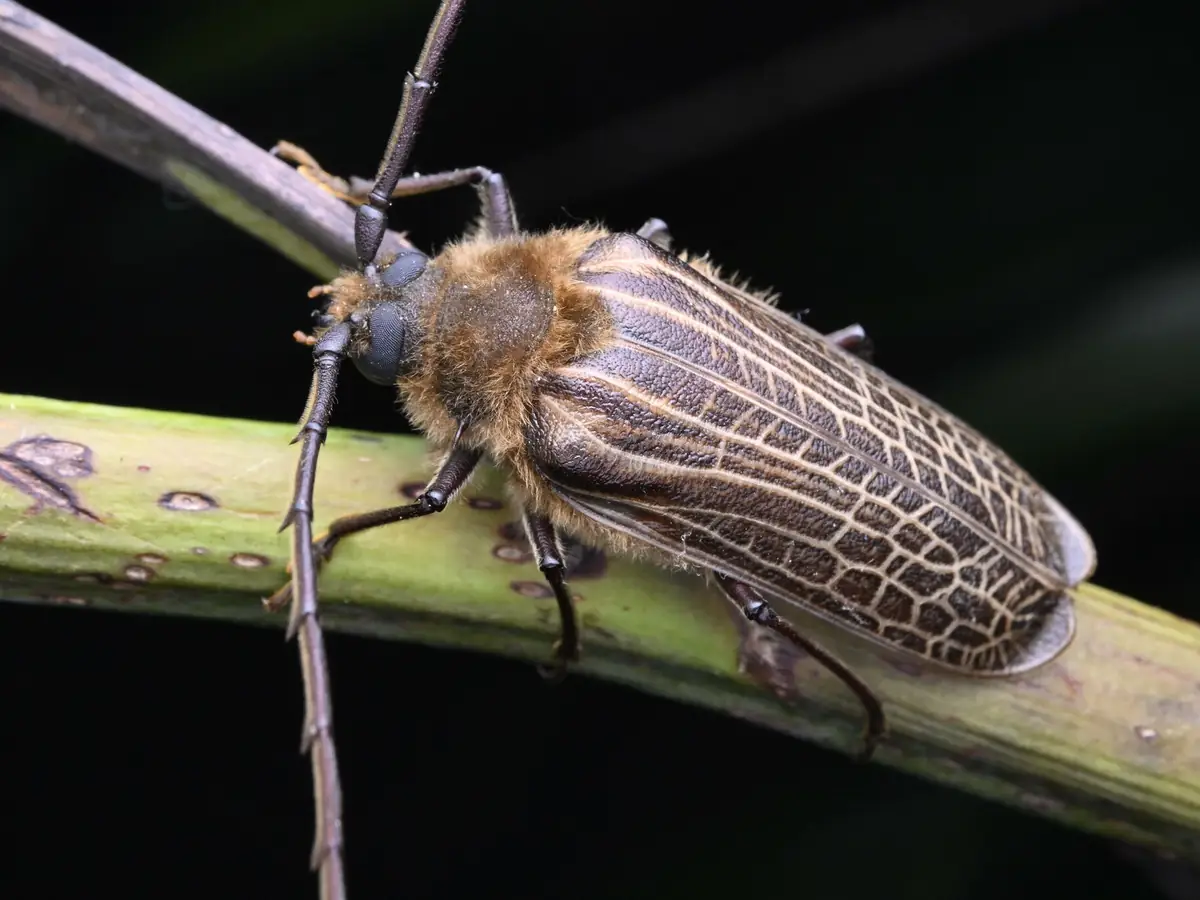
Can a huhu beetle bite?
It can nip. Te Papa describes huhu beetles as alarming-looking but harmless, with powerful jaws they do not use for eating that can give a painful nip if the beetle is mishandled. Left alone, a huhu is not aggressive. Most contact happens because they are strongly drawn to lights at night.
Huhu adults are active in summer, from about November to early March, and a large beetle at a lit window is usually one that flew in from outside. Pick it up with a container and a card rather than bare fingers. Whether huhu are breeding in your timber is a separate question about damp, covered in huhu in the house.
Is borer dust harmful to breathe?
None of the New Zealand timber-pest sources used here describes borer frass as a health hazard; they treat it as evidence of the insect. It is wood that has passed through a larva. The sources make no health claim about it either way, and neither does this guide.
The more useful point is not to rush to clean it. Fresh dust is one of the best clues to whether borer is active, so photograph it with a scale first. The guide to borer dust and frass explains what to record.
Are borer dangerous to a house?
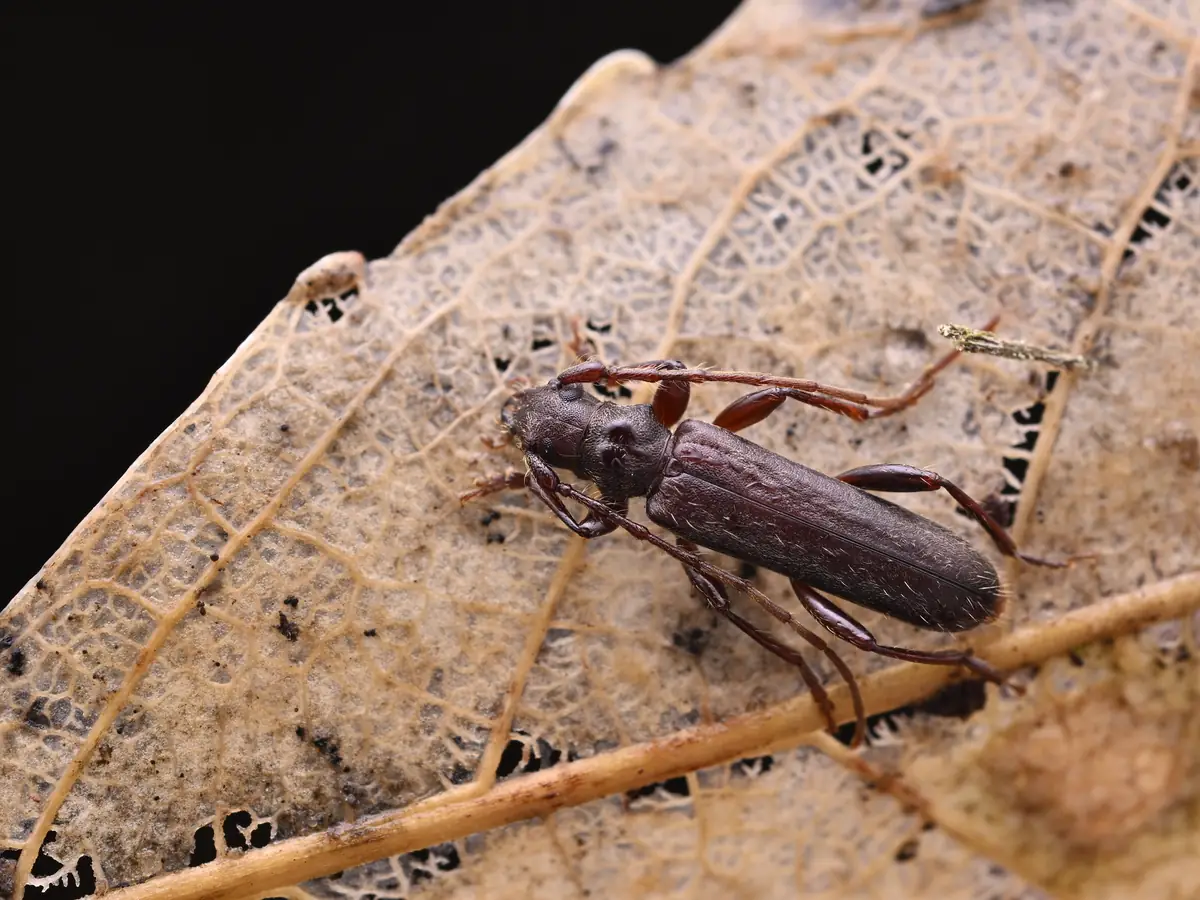
They can be, and that is where the real risk lies. Most house borer damage is confined to sapwood edges and is cosmetic. Longhorn larvae, though, tunnel through heartwood and can leave subfloor timber as a thin shell, and huhu in persistently wet framing can do the same. Weakened bearers, joists or piles are a safety matter.
A floor that feels soft, a joist that dents under a screwdriver or a pile that crumbles at the base needs looking at by someone who can judge strength. Where repair is needed, the borer damage repair page explains when it becomes a builder's job and when consent can apply.
Are borer treatment products a safety risk?
They can be if misused, which is why the law is built around the label. Borer products in New Zealand are hazardous substances under the HSNO Act, and they must be used as the label directs, including whatever it says about rates, ventilation, protective gear and when people can go back into a treated room.
Fumigants sit in a stricter category. WorkSafe states that anyone who uses or stores a fumigant needs a controlled substance licence, and Consumer NZ notes fumigation is not usually suitable for houses because the whole space has to be sealed. Retail surface sprays and injectors are a different class of product. The borer bombs and sprays guide explains what each type reaches, and the borer treatment page covers who applies what.
Are termites a risk to people?
The concern with exotic termites in New Zealand is timber damage and biosecurity, not bites. MPI treats them as an unwanted pest because they can damage treated and untreated timber alike, and it asks anyone who suspects termites to photograph them and call 0800 80 99 66.
Signs MPI lists include small droppings piled under tiny holes, discarded wings and mud tubes. Termites were found in some Auckland houses in 2021. Leave any suspected evidence where it is so it can be confirmed.
What should you do about beetles coming inside?
Note when and where they appear, keep one or two in a sealed container, and look at nearby timber for fresh holes and dust. Small brown beetles at windows in early summer suggest house borer emerging somewhere in the house. A single large beetle on a summer night is usually a huhu that came to the light.
If the beetles keep appearing in one room, the timber in that room, its floor and any old furniture are the first places to check. An inspection then records species, activity and the timber involved. Typical costs are in the borer cost guide.
When the reading turns into a decision about one real house, the fee, the report and the booking steps are set out under Lignum Timber Inspections.
Asked about this
Are borer beetles dangerous?
Not to people, on the evidence available. House borer adults do not feed and are not described as biting. The danger is to timber: longhorn and huhu damage in damp framing can weaken structure, which is why findings carry a structural flag.
Can wood borer bite humans?
No source used here describes the common house borer, powderpost beetle or longhorn biting people. The huhu, a much larger native beetle, can give a painful nip with its jaws if handled roughly, according to Te Papa.
Is it safe to sleep in a room with borer?
The beetles themselves pose no known risk to sleepers. What matters is whether any product used in the room was applied to its label directions, including re-entry times, and whether the timber in the room is sound.
Are huhu grubs dangerous?
No. Huhu grubs live inside dead and rotting wood and are not a hazard to people. In a house they are a sign that timber has stayed damp, which is the problem to deal with.
Read next
- Huhu in the houseWhy huhu in house timber points to wet wood, and where the moisture usually comes from
- Borer bombs and spraysWhat foggers, surface sprays, injectors and borate products each reach, and when DIY is enough
- Beetle identificationThe wood-boring beetles of New Zealand houses side by side: size, colour, hole, dust, timber and season
- Borer damage repairWhen borer damage needs a builder, which repairs are exempt from consent, re-piling and the order of work
Sources
Book a borer inspection
The inspection is $285 + GST, credited against treatment done through the same operator. Treatment ranges sit on the cost page.