Newer houses
Can borer get into a modern house?
Newer homes are much less likely to carry borer than villas and bungalows, but less likely is not never. Knowing why treated framing resists borer, and where its limits are, shows what a borer inspection in a newer house actually needs to look at.
First published · updated
Borer is uncommon in modern New Zealand houses because framing is boron-treated to H1.2, which BRANZ describes as having a long record of protecting timber against insects. It is not a promise. Boron can leach from framing left wet for long periods, some houses were framed untreated between about 1995/1998 and 2004/2005, and untreated timber brought in later can carry borer.
Can borer get into a house built with treated framing?
Into the treated framing itself, rarely. H1.2 boron treatment is designed to resist insects, borer included, and the NZ Farm Forestry Association credits the universal use of treated timber with greatly reducing house borer. What a modern house can carry is borer in untreated timber added to it.
So the question for a newer house is less about the walls and more about what else is in it: an untreated floor, recycled native boards, an antique sideboard, or framing from a period when treatment was not required. Treated framing should never be described as borer-proof. It is treated to resist borer.

What does H1.2 boron treatment do?
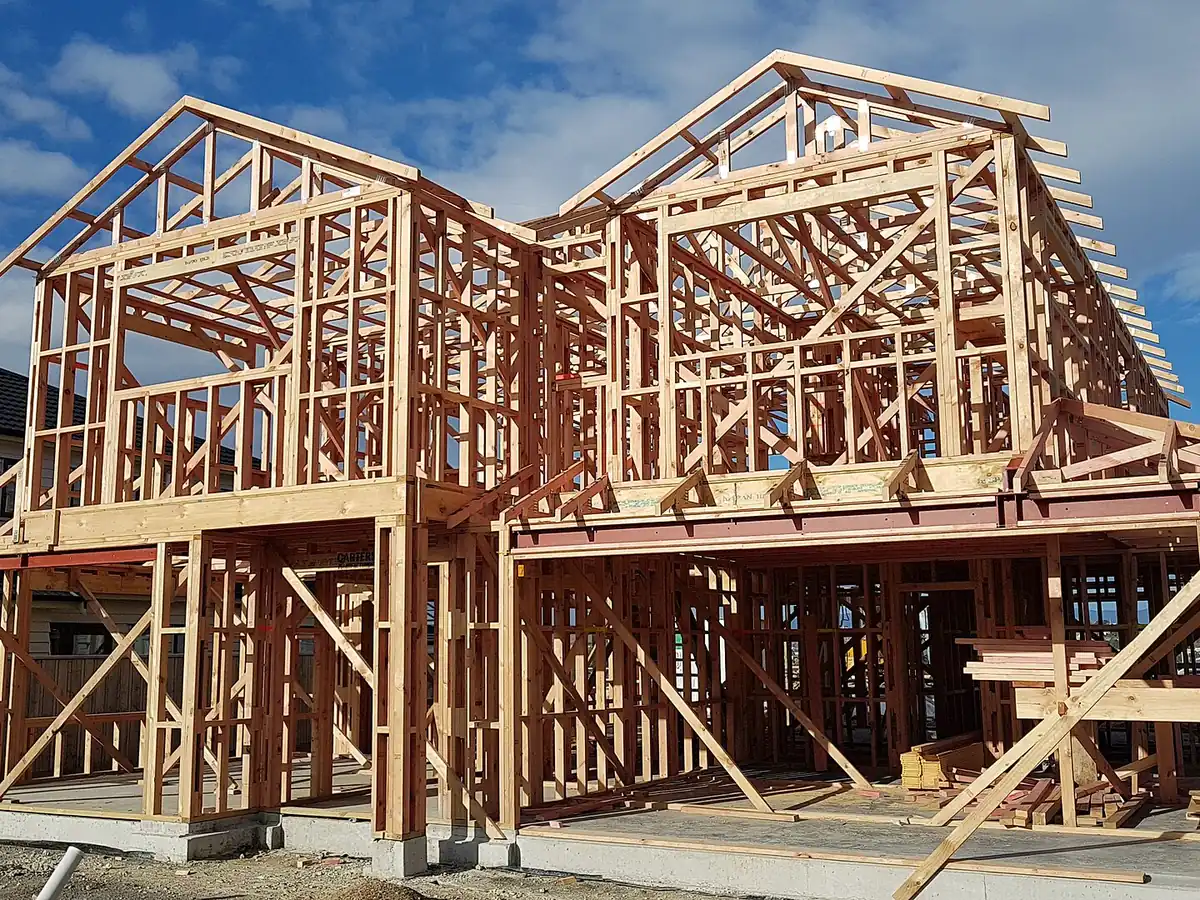
H1.2 is the hazard class for boron-treated framing used inside the building envelope. BRANZ notes it is colour-coded pink and needs full penetration of the sapwood, and that the hazard classes protect against insect attack as well as decay. Since 2011 boron-only H1.2 has been the standard framing treatment.
Because the borate reaches through the sapwood, the part of the timber borer would normally feed in is protected throughout. The broader treatment history is on the house borer by build year page.
Can boron treatment wash out of framing?
It can. BRANZ notes boron is water-soluble and can leach out of timber left rain-wet for long periods. Framing exposed during a long, wet construction phase, or kept wet afterwards by a leak or failed cladding, may lose some of its protection, and wet timber also invites decay.
In practice this links borer risk in a newer house to moisture. Where framing has stayed wet, the questions are about the leak, decay and whether timber needs replacing, and borer becomes one item among several. The guide to huhu in the house explains what persistent damp tells an inspector.

Which newer houses were framed with untreated timber?
Houses consented in a window of about 1995/1998 to 2004/2005, when untreated kiln-dried framing was allowed. Treated framing was required again for consents from 1 April 2004. This window overlaps with many of the houses later caught up in leaky-home problems, and the Bioeconomy Science Institute notes the change to untreated framing made that damage worse.
The details, the dates and how to find out what a particular house used are covered in the guide to untreated framing from 1995 to 2005, so they are not repeated here. For this page the point is simple: a house that looks modern can still have untreated framing, and kiln-drying alone resists borer only for a few years.
What untreated timber gets brought into a newer house?
Furniture is the most common route, especially antiques and second-hand pieces made of untreated rimu, pine or imported hardwood. Recycled native timber relaid as flooring, benchtops, shelving or a feature wall is another. So is any untreated timber added in a renovation or used outside, such as a pergola built from reclaimed wood.
- Furniture. Check backs, drawer bottoms and runners for fresh holes. See borer in furniture.
- Recycled boards. Old rimu or matai floors and features carry their history with them. See how borer spreads.
- Hardwood flooring and joinery. Tawa, oak and some imported hardwoods suit the powderpost beetle. See powderpost beetle.
A newer house with borer holes in a feature floor is usually showing the history of the boards, not a failure of the framing.
Can termites damage treated timber in New Zealand?
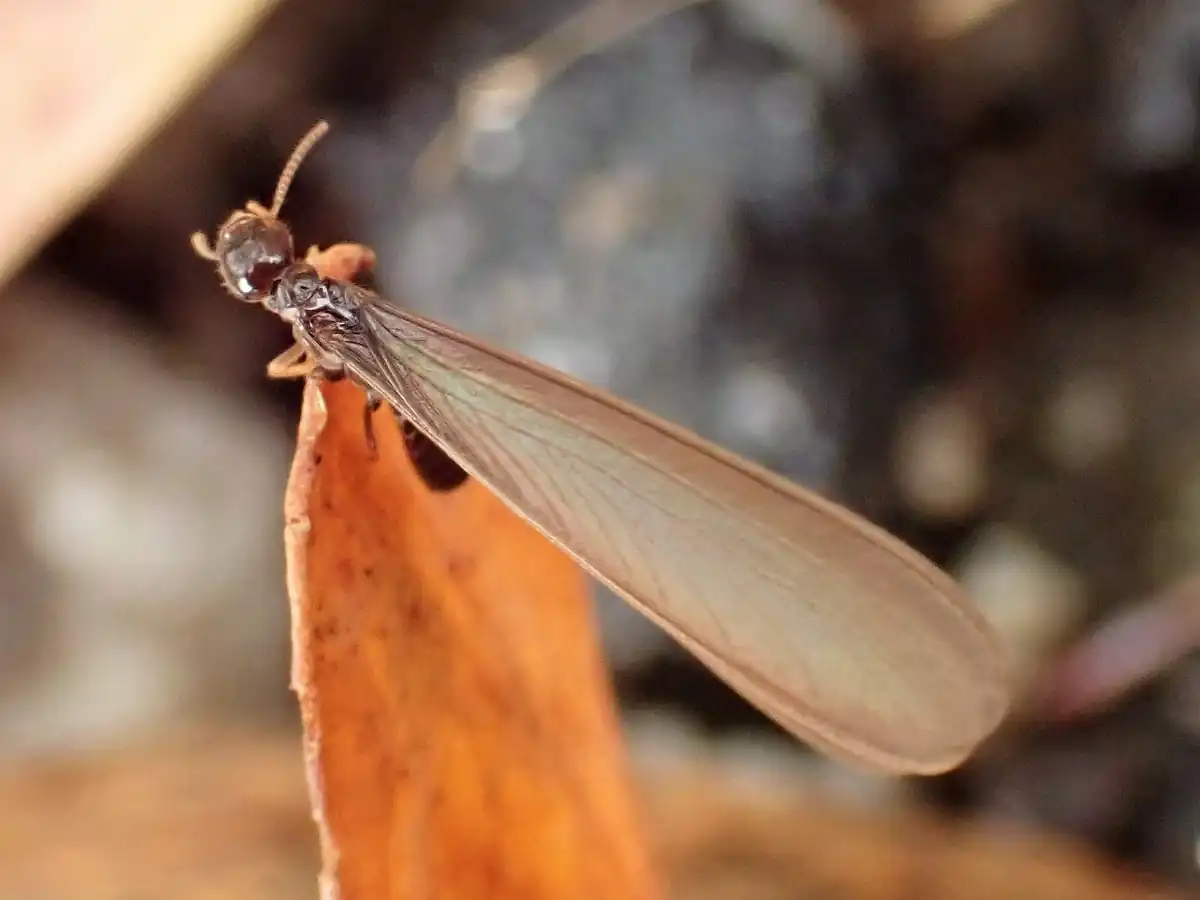
Yes. MPI states that exotic termites can damage treated timber, hardwoods and softwoods. That is the main way a wood-eating insect could harm the framing of a modern house, and it is why MPI treats them as an unwanted pest and a reportable find. Australian subterranean termites were found in some Auckland houses in 2021.
Signs to watch for are piles of tiny pellets under small holes, discarded wings and mud tubes on timber or foundations. Photograph them, leave them in place and call MPI on 0800 80 99 66. Borer does not explain damage to sound treated framing; termites might.
What does a borer inspection look at in a newer house?
The untreated items, the moisture and the build year. The inspector checks floors, joinery, furniture and any recycled timber, looks for signs of persistent damp around framing, and notes whether the consent date falls in the untreated window. Treated framing in a dry house is recorded as low risk.
For buyers of houses from the late 1990s and early 2000s, a borer check sits alongside the building report, not instead of it. The pre-purchase borer inspection page explains how the two fit together, and borer in a building report covers what a borer line in the report means.
When the reading turns into a decision about one real house, the fee, the report and the booking steps are set out under borer inspection in Auckland.
Asked about this
Can a new house get borer?
It is uncommon. H1.2 boron-treated framing resists borer. When borer is found in a newer house, it is usually in untreated timber added later, such as furniture or recycled boards, or in framing from the untreated window of about 1995/1998 to 2004/2005.
Is treated timber borer-proof?
No timber should be called borer-proof. H1.2 framing is treated to resist borer and protects well in a dry house. Boron can leach from timber that stays rain-wet for long periods, and exotic termites can damage treated timber.
Do houses built in the 2000s have borer?
Most have treated framing, because treated timber was required for consents from 1 April 2004. Houses consented just before that, and finished by 1 April 2005, may have untreated kiln-dried framing, which is worth checking.
Why would a modern house need a borer inspection?
Usually because of something specific: holes in a feature floor, beetles indoors, a build date in the untreated window, or a building report that mentions borer. The inspection then looks at that timber rather than the whole frame.
Read next
- Untreated framing yearsHouses from the untreated kiln-dried framing window of about 1995 to 2005, and what that means for borer
- Timbers borer attacksWhich New Zealand building timbers each borer attacks, sapwood against heartwood, and where treated framing fits
- How borer spreadsHow borer moves between timbers: flying adults, furniture, recycled timber, and what a neighbour's borer means
- Pre-purchase borer inspectionA borer check timed to your building condition, read alongside the building report
Sources
- BRANZ: H1.2 framing timber treatment
- BRANZ: timber treatment
- Standards New Zealand: key historical dates for timber treatment regimes
- Bioeconomy Science Institute: how science has changed timber building in New Zealand
- NZ Farm Forestry Association: household borer, Anobium punctatum
- Ministry for Primary Industries: exotic termites
Book a borer inspection
The inspection is $285 + GST, credited against treatment done through the same operator. Treatment ranges sit on the cost page.