Timber
Which New Zealand timbers does borer attack?
The beetle and the board go together. Knowing what a floor, joist or weatherboard is cut from narrows which borer could be in it and how far the damage can go, which is why a borer inspection records the timber species beside the insect.
First published · updated
Common house borer attacks the sapwood of rimu, kahikatea and radiata pine, and rarely damages Douglas fir or western red cedar. The two-toothed longhorn tunnels into heartwood as well, mostly in rimu, kahikatea and macrocarpa, with tōtara and mataī among its recorded hosts. Powderpost attacks starchy hardwoods such as tawa and rewarewa. Boron-treated H1.2 framing is treated to resist borer.
Which building timbers are most at risk from borer?
Untreated softwood sapwood is the main target in New Zealand houses. Rimu, kahikatea and radiata pine are the hosts the NZ Farm Forestry Association lists as most commonly attacked by house borer. Older homes framed and floored in these timbers before treatment carry the most exposure, especially where sapwood edges were used.

| Timber | Common house borer | Two-toothed longhorn | Powderpost |
|---|---|---|---|
| Rimu | Sapwood commonly attacked | Commonly attacked, heartwood too | Not a host (softwood) |
| Kahikatea | Sapwood commonly attacked | Commonly attacked | Not a host (softwood) |
| Radiata pine, untreated | Sapwood commonly attacked | Only when in close contact with normal hosts | Rarely |
| Macrocarpa | Not singled out | Among the most often attacked | Not a host (softwood) |
| Tōtara and mataī | Not singled out | Recorded hosts | Not a host (softwood) |
| Douglas fir, western red cedar | Very little damage | Not listed | Not a host |
| Tawa, rewarewa | Not singled out | Not listed | Main native hosts |
| Oak, ash, elm, eucalypt | Not singled out in NZ leaflets | Not listed | Susceptible |
| H1.2 boron-treated framing | Treated to resist | Treated to resist | Treated to resist |
"Not singled out" means the leaflet does not name that timber for that beetle. It is not a promise the timber is immune, which is why timber identification sits next to the evidence, not in place of it.
Why does sapwood matter more than the species name?
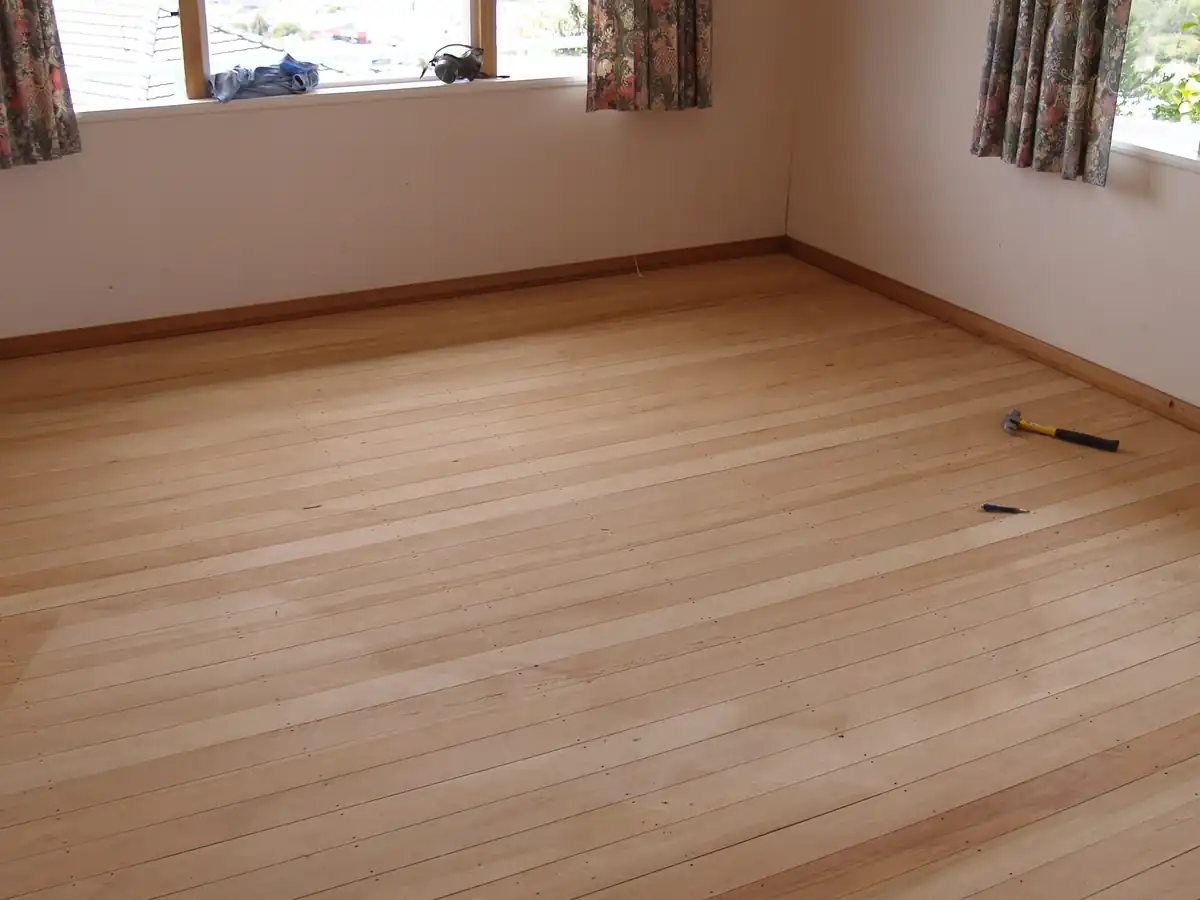
Because house borer and powderpost both feed in sapwood, the paler outer band of the log, and normally leave heartwood alone. A rimu board that is all heartwood can resist house borer, while the same species cut with a sapwood edge can be riddled along that edge. The cut matters as much as the tree.
Inspectors therefore look at where holes sit within a board, not only at the board. Damage confined to one pale edge of a joist usually leaves a sound core. The longhorn breaks this rule, because it tunnels through heartwood too, which is why the two-toothed longhorn is treated as the more serious finding in subfloor timber.
What about tōtara, mataī and kauri?
Tōtara and mataī are listed by the NZ Farm Forestry Association among the timbers the two-toothed longhorn infests, alongside Hall's tōtara and Lawson cypress. Neither appears in the Association's house borer leaflet. For kauri, none of the sources consulted gives a clear modern rating, so this guide does not state one.
There is some evidence on tōtara sapwood and house borer. A 2017 report prepared for the Northland Totara Working Group documents examples of untreated tōtara sapwood that resisted house borer. It presents observed examples rather than a durability rating, so it is a reason for interest, not a basis for assuming any tōtara board is safe.
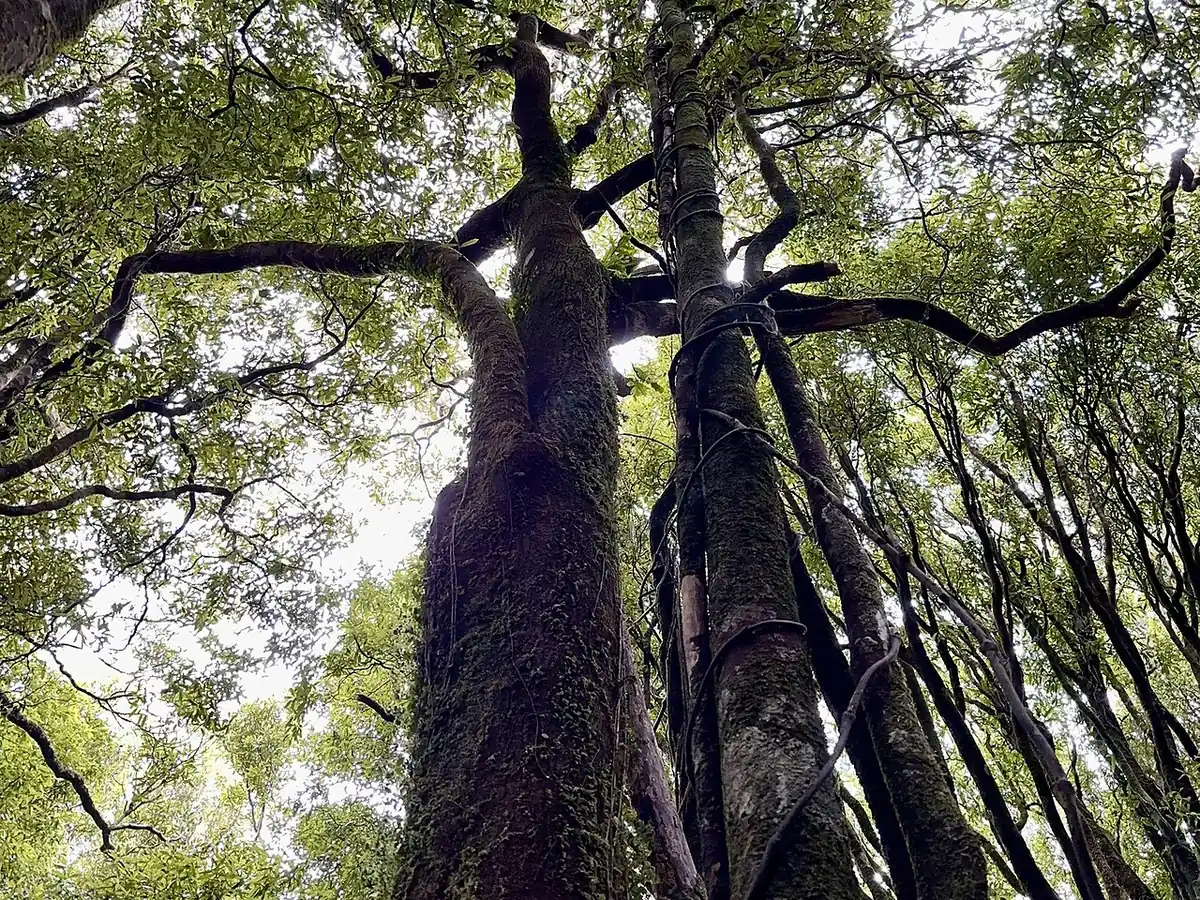

In practice, a heritage floor in mataī or a kauri joinery piece is judged on its own evidence: holes, dust, probing and moisture. The species narrows the question; it does not settle it.
Which hardwoods does powderpost beetle attack?
Powderpost beetle lays its eggs in the pores of hardwoods, so it needs timbers with large enough pores and enough starch. In New Zealand that means mainly tawa and rewarewa, with beech occasionally affected. Imported oak, ash, elm, eucalypt and plywood are also susceptible, while pine is rarely attacked.
The NZ Farm Forestry Association notes that sapwood below about 3% starch is not chosen for eggs, and that larvae need wood moisture between about 8 and 30%. Tawa flooring, rewarewa trim and imported hardwood furniture are the usual places to meet it in a house. The powderpost guide covers its damage and life cycle.
Does boron-treated H1.2 framing resist borer?
Yes. H1.2 is the boron treatment class for framing, colour-coded pink, and BRANZ notes it requires full penetration of the sapwood. BRANZ describes boric treatment as having a long record of protecting timber against insects. Treated framing in a dry house is the least likely place to find live borer.
Two qualifications apply. Boron is water-soluble and can leach out of timber left rain-wet for long periods, and MPI warns that exotic termites can damage treated timber. Treated framing also only covers the framing: untreated floors, furniture and recycled boards in the same house are judged separately. The guide to borer in newer houses covers this in more depth.
Does kiln-dried untreated timber resist borer?
Only for a while. The NZ Farm Forestry Association notes that kiln-dried wood may resist attack for a few years but is not an adequate substitute for treated timber. That matters for houses framed in untreated kiln-dried pine between about 1995/1998 and 2004/2005.
Those dates, and why that framing was allowed, are explained in the guide to untreated framing from 1995 to 2005. For a buyer, the practical point is that the build year can place a house in a window where the framing timber itself, not just later additions, needs checking.
How does knowing the timber change an inspection finding?
It decides which beetles are possible and how far damage can go. Round holes in rimu sapwood suggest an edge problem; oval holes in damp rimu bearers suggest heartwood tunnels and a probing job. Fine dust in tawa points to powderpost, which needs a different conversation from house borer in pine.
That is why the written finding names the timber, the part of the house and the moisture conditions. For floors and subfloor framing in particular, see borer in floorboards and borer in piles and joists.
When the reading turns into a decision about one real house, the fee, the report and the booking steps are set out under borer inspection in Auckland.
Asked about this
Does borer attack rimu?
Yes. Rimu sapwood is among the timbers house borer most often attacks, and the two-toothed longhorn attacks rimu heartwood as well, especially in damp subfloors. Heartwood rimu without longhorn is far more resistant.
Does borer attack treated pine?
H1.2 boron-treated framing is treated to resist borer and in a dry house is rarely affected. Boron can leach from timber that stays rain-wet for long periods, and exotic termites can damage treated timber, which MPI asks to be reported.
Is matai resistant to borer?
Mataī is listed among the recorded hosts of the native two-toothed longhorn, so it is not immune. The house borer leaflet does not single it out. A mataī floor is judged on its own holes, dust and probing like any other.
Does Douglas fir get borer?
Rarely. The NZ Farm Forestry Association notes Douglas fir and western red cedar suffer very little house borer damage compared with rimu, kahikatea and radiata pine.
Read next
- Borer in newer housesWhether borer can get into a modern house: H1.2 framing, boron leaching, the untreated window, and what gets brought in
- Powderpost beetleThe hardwood-only beetle behind talc-fine dust in tawa, rewarewa and oak floors and furniture
- Two-toothed longhornThe native longhorn that tunnels through heartwood: oval holes, autumn emergence, damp subfloors
- Borer in floorboardsHouse borer and powderpost beetle in timber floors, finished versus bare boards, and when boards need replacing
Sources
- NZ Farm Forestry Association: household borer, Anobium punctatum
- NZ Farm Forestry Association: two-toothed longhorn, Ambeodontus tristis
- NZ Farm Forestry Association: powder-post beetle, Lyctus brunneus
- BRANZ: H1.2 framing timber treatment
- BRANZ: timber treatment
- Ministry for Primary Industries: exotic termites
- Northland Totara Working Group: tōtara sapwood and household borer (2017 report)
Book a borer inspection
The inspection is $285 + GST, credited against treatment done through the same operator. Treatment ranges sit on the cost page.